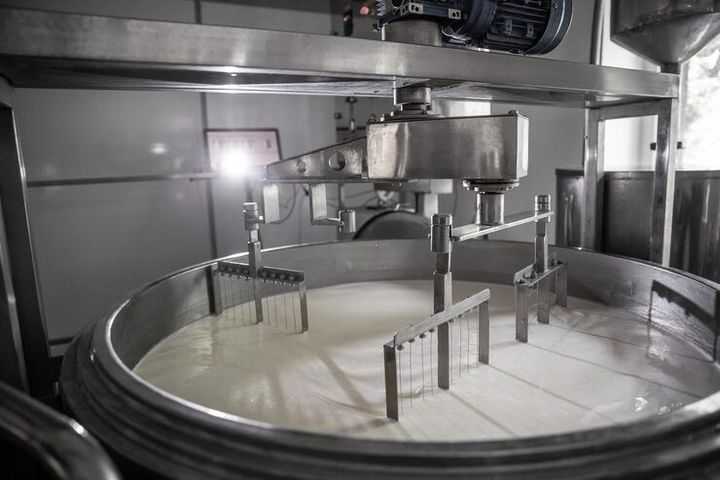
Milk Pasteurization Machines Overview With Heating Technology and Processing Information
Milk pasteurization machines are processing systems designed to heat milk under controlled conditions and then cool it to a suitable temperature. Pasteurization is used to reduce harmful microorganisms while maintaining important characteristics of milk.
The process is a central part of many dairy processing operations and can be carried out using batch or continuous equipment.
The basic idea behind pasteurization developed from the broader use of controlled heat to improve food safety and storage stability. Modern dairy facilities use specialized tanks, heat exchangers, pumps, temperature sensors, flow controls, and automated systems to manage the process.
A milk pasteurization machine generally moves milk through a defined sequence. Depending on the system, milk may first be preheated, then raised to a specified pasteurization temperature, held for the required time, and subsequently cooled. Heat recovery can also be incorporated so that warm processed milk transfers heat to incoming cold milk.
The equipment must maintain controlled temperature and flow conditions. If the process is continuous, the system needs appropriate controls to ensure that milk receives the required heat treatment before moving to the next stage.
Main Components of Milk Pasteurization Machines
A typical milk pasteurization system can contain several interconnected components:
Balance tank for managing milk flow
Feed pump for controlled movement
Plate heat exchanger for heating and cooling
Holding tube for maintaining the required treatment time
Temperature sensors for process monitoring
Flow-control equipment
Diversion valve for managing unsuitable flow conditions
Hot-water or steam heating system
Cooling section
Control panel and programmable controller
Cleaning system for equipment hygiene
The exact arrangement depends on processing capacity, milk characteristics, facility layout, and the selected pasteurization method.
Batch and Continuous Pasteurization
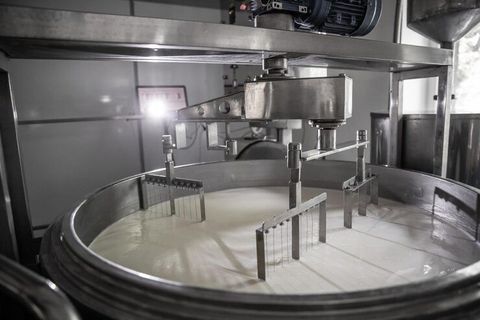
Batch pasteurization uses a tank in which milk is heated and held for a defined period before cooling. This approach can be suitable for smaller processing operations or products that require flexible batch handling.
Continuous pasteurization moves milk through a heat exchanger and holding section. This arrangement is commonly associated with larger processing operations where milk flows continuously through the equipment.
Both approaches rely on controlled temperature and time. The appropriate processing parameters depend on applicable food regulations and the specific dairy product.
Importance
Milk pasteurization machines are important because raw milk can contain microorganisms that may create food safety concerns. Controlled heat treatment is used to reduce specified microorganisms while allowing milk to retain characteristics needed for subsequent processing.
The subject affects dairy processors, farmers, food safety authorities, retailers, food manufacturers, and consumers. Pasteurization equipment also influences production workflow because heating and cooling must be integrated with storage, filling, packaging, and cleaning activities.
Milk Processing and Food Safety
Milk can support microbial growth because it contains water, nutrients, proteins, fats, and other components. Appropriate handling, temperature control, sanitation, and pasteurization are therefore important parts of dairy processing.
Pasteurization is not a substitute for hygienic milk collection or clean equipment. Milk quality before heating, equipment cleanliness, cooling conditions, and storage practices all contribute to the overall safety of the processed product.
Heating Technology
Several heating technologies can be used in dairy processing. Plate heat exchangers are widely used in continuous systems because they allow heat to move between separate fluid streams through thin metal plates.
Hot water can provide controlled indirect heating, while steam can be used in certain heating arrangements. Indirect heating helps keep the heating medium separate from the milk.
The heating system needs to provide stable temperature control. Sudden temperature changes or inadequate heat transfer can affect the processing sequence and product characteristics.
Cooling Technology
Cooling follows the heat-treatment stage. A plate heat exchanger can transfer heat from warm pasteurized milk to incoming cold milk, reducing the amount of additional heating and cooling energy required.
The final cooling stage can use chilled water or another appropriate cooling medium. Rapid and controlled cooling is important because milk remains susceptible to microbial growth after heat treatment if it is not handled under suitable conditions.
Typical Processing Sequence
A simplified milk pasteurization process can include:
Raw milk reception
Filtration or clarification
Preheating
Heat treatment
Holding
Regulated flow control
Cooling
Temporary storage
Filling or further processing
The actual sequence can vary according to the dairy product and processing facility.
Recent Updates
From 2024 through 2026, milk pasteurization technology has continued to incorporate automation, digital monitoring, energy management, improved heat recovery, and integrated cleaning systems. The general direction is toward greater process visibility and tighter coordination between heating, cooling, pumping, and control equipment.
Automated Temperature Monitoring
Modern pasteurization systems commonly use electronic temperature sensors connected to programmable controllers. The control system can compare measured temperatures with configured process parameters and manage valves, pumps, heating systems, and product flow.
Digital interfaces can display temperature, flow, pressure, alarms, equipment status, and process stages. Recorded information can also support production documentation and quality-control activities.
Heat Recovery Systems
Heat recovery has become an important feature in many continuous pasteurization systems. Incoming cold milk can receive heat from previously pasteurized milk through separate channels within a heat exchanger.
This arrangement reduces the amount of external heating required for the incoming milk and can also reduce the cooling demand for the processed milk. Actual energy performance depends on heat exchanger design, operating conditions, insulation, flow rates, and temperature differences.
Improved Cleaning Integration
Cleaning-in-place systems are increasingly integrated with automated dairy processing equipment. These systems circulate appropriate cleaning solutions through tanks, pipes, pumps, valves, and heat exchangers without requiring routine disassembly of every component.
Automated cleaning sequences can control water temperature, circulation time, flow, and selected cleaning stages. Proper cleaning remains dependent on suitable procedures, chemical concentrations, equipment design, and verification.
Digital Process Records
Connected equipment can record information about temperature, flow, pressure, cleaning cycles, alarms, and production batches. Digital records can make it easier to review historical process information.
Some dairy facilities integrate pasteurization equipment with broader manufacturing management systems. This can connect processing records with inventory, production scheduling, quality documentation, and maintenance information.
Laws or Policies
Milk pasteurization is regulated through food safety, dairy processing, equipment hygiene, temperature control, labeling, and environmental requirements. The exact requirements vary according to the country, dairy product, facility type, and applicable food regulations.
Pasteurization Requirements
Food authorities generally define specific combinations of temperature and holding time for particular dairy products or processing methods. These requirements are intended to achieve an appropriate reduction of specified microorganisms.
Continuous systems may include controls that prevent milk from moving forward when required processing conditions have not been achieved. The exact control arrangement depends on applicable regulations and equipment design.
Equipment Hygiene
Dairy equipment that comes into contact with milk needs to be designed and maintained with sanitation in mind. Surfaces, seals, pipes, valves, tanks, and heat exchangers can all influence hygienic processing.
Cleaning procedures need to address milk residues and other materials that could support microbial growth. Facilities may maintain cleaning records, inspection procedures, and verification activities as part of their food safety systems.
Temperature and Storage Controls
Pasteurized milk generally requires controlled storage and distribution conditions. Refrigeration requirements vary according to the product and jurisdiction.
Temperature monitoring can be incorporated into storage rooms, tanks, transportation systems, and processing equipment. Records can help demonstrate that defined handling conditions were maintained.
Tools and Resources
Several tools can support milk pasteurization planning and operation. Temperature calculators can assist with unit conversions, while flow calculations can help determine the relationship between milk movement and holding-tube dimensions.
Heat-exchanger calculations can be used to examine heat-transfer requirements. Process diagrams can show the movement of milk, water, steam, cleaning solutions, and other fluids through the facility.
Useful resources include:
Temperature monitoring instruments
Flow meters
Pressure gauges
Heat-exchanger calculation tools
Holding-time calculation worksheets
Process-flow diagrams
Cleaning-cycle records
Calibration schedules
Temperature data loggers
Preventive maintenance schedules
Food safety documentation templates
Equipment inspection checklists
A simplified comparison of common pasteurization approaches is shown below:
| Pasteurization Approach | Basic Process | Main Planning Consideration |
|---|---|---|
| Batch Pasteurization | Milk is heated and held in a tank | Tank capacity and temperature control |
| Continuous Pasteurization | Milk flows continuously through heat-treatment equipment | Flow and holding-time control |
| Plate Heat Exchange | Heat transfers through metal plates | Heat-transfer efficiency |
| Tubular Heat Exchange | Product flows through tubes | Product characteristics and cleaning |
| Regenerative Heating | Incoming and processed milk exchange heat | Heat recovery and temperature control |
Calibration is another important part of process management. Temperature sensors, flow meters, pressure instruments, and control devices need appropriate inspection and calibration procedures to maintain reliable measurements.
FAQs
What are milk pasteurization machines?
Milk pasteurization machines are processing systems that heat milk under controlled temperature and time conditions and then cool it. They can include tanks, heat exchangers, pumps, sensors, holding tubes, valves, and automated controls.
How does milk pasteurization work?
Milk is heated to a specified temperature and maintained under controlled conditions for the required period. It is then cooled according to the applicable processing procedure and moved toward storage, filling, or further processing.
What heating technology is used in milk pasteurization machines?
Common technologies include plate heat exchangers, tubular heat exchangers, hot-water systems, and selected steam-based heating arrangements. The appropriate system depends on processing conditions, product characteristics, and facility design.
What is the difference between batch and continuous pasteurization?
Batch pasteurization heats and holds milk within a processing tank, while continuous pasteurization moves milk through heating, holding, and cooling sections as part of a continuous flow. Both methods require controlled temperature and time.
Why is automated temperature control important in milk processing?
Automated temperature control allows sensors and control systems to monitor process conditions and coordinate heating, holding, cooling, and product flow. It can also provide records of selected operating parameters for process review.
Conclusion
Milk pasteurization machines combine controlled heating, holding, cooling, pumping, sensing, and automation to process milk under defined conditions. Plate and tubular heat exchangers can support continuous processing, while batch systems use controlled heating within processing tanks. Recent developments include digital monitoring, heat recovery, automated cleaning, and integrated process records. Food safety requirements, equipment hygiene, temperature control, and applicable dairy regulations remain important parts of milk processing infrastructure.