Metal Pouring Machines Information With Casting Equipment and Industrial Process Knowledge
Metal pouring machines are important pieces of equipment used in metal casting and manufacturing processes. They help transfer molten metal from furnaces, holding vessels, or melting units into prepared moulds.
The process allows manufacturers to create metal components with specific shapes, dimensions, and physical properties. Metal pouring machines are commonly associated with foundries, automotive manufacturing, heavy engineering, construction equipment, and industrial component production.
Metal casting has existed for thousands of years, originally relying on manual techniques in which workers transferred heated metal into moulds using simple containers. As industrial manufacturing developed, mechanical pouring systems, automated ladles, temperature monitoring equipment, and controlled metal transfer technologies became increasingly common. These developments helped improve pouring consistency and reduce the physical demands associated with handling molten materials.
Modern metal pouring machines are designed to manage the movement, volume, speed, and direction of liquid metal. Depending on the production process, they may operate manually, hydraulically, electrically, or through automated control systems. Their configurations vary according to the metal being processed, mould dimensions, production requirements, and foundry layout.
How Metal Pouring Machines Work
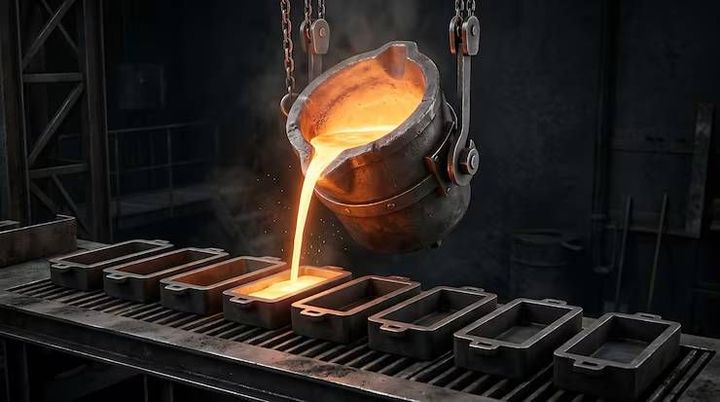
The basic operation involves transferring molten metal from a melting or holding furnace into a casting mould. The machine controls the movement of the pouring vessel and helps regulate the flow of liquid material during the operation.
A typical process includes the following stages:
Metal preparation: Raw metal or prepared alloys are heated inside a furnace until they reach the required liquid condition.
Temperature monitoring: Measuring instruments help operators check whether the molten metal is within the required processing range.
Metal transfer: A ladle or pouring container receives the molten material from the furnace.
Controlled pouring: The machine moves or tilts the container to transfer metal into the mould.
Cooling and solidification: The liquid metal gradually becomes solid inside the mould.
Casting removal: Once sufficiently cooled, the casting is removed for further processing and inspection.
The exact sequence depends on the casting method and the equipment configuration.
Main Types of Metal Pouring Machines
Different industrial applications require different pouring arrangements. Common types include:
Manual pouring systems: Workers control the pouring container directly. These systems are generally associated with smaller production operations and specific casting applications.
Automatic pouring machines: Automated equipment controls the movement and discharge of molten metal according to programmed operating instructions.
Tilting pouring machines: These machines rotate a ladle or container to regulate metal discharge into the mould.
Pressurized pouring systems: Controlled pressure helps move molten metal into mould cavities in processes that require specific filling conditions.
Robotic pouring systems: Industrial robots move pouring ladles along programmed paths, supporting repeatable operations and reducing direct worker exposure.
Each configuration has different operating requirements, capacity ranges, and equipment arrangements.
Importance
Metal pouring machines matter because the quality of a metal casting depends partly on how molten material enters the mould. Uncontrolled pouring can introduce air, create turbulence, cause incomplete filling, or contribute to defects within the finished component. Controlled transfer helps manufacturers manage these process-related challenges.
These machines affect several industries that depend on metal components. Automotive manufacturers use cast aluminium and iron parts in engine assemblies, housings, and structural components. Construction equipment manufacturers require cast metal parts for machinery systems, while industrial manufacturers use cast components in pumps, valves, machine frames, and processing equipment.
Industrial Problems Addressed by Pouring Equipment
Metal pouring equipment helps address several operational difficulties:
Inconsistent metal flow: Controlled pouring supports more consistent filling of mould cavities.
Material wastage: Appropriate pouring arrangements help limit unnecessary metal spillage and reduce avoidable material losses.
Worker exposure: Mechanized and automated systems can increase the distance between workers and extremely hot materials.
Production variation: Programmable equipment helps maintain repeatable pouring movements across production cycles.
Casting defects: Proper control of pouring speed and temperature can help reduce certain filling-related defects.
However, pouring equipment cannot eliminate every casting problem. Mould design, metal composition, furnace conditions, cooling rates, and operating procedures also influence the final result.
Industries Using Metal Pouring Machines
| Industry | Common Casting Applications |
|---|---|
| Automotive | Engine housings, transmission parts, and structural components |
| Aerospace | Selected aluminium and specialized alloy components |
| Construction | Equipment housings, fittings, and machine components |
| Heavy engineering | Industrial machine frames and mechanical parts |
| Energy | Pump housings, valve bodies, and turbine-related components |
| General manufacturing | Brackets, enclosures, and metal assemblies |
Factors Affecting Pouring Performance
Several technical factors influence the performance of metal pouring machines. These include molten metal temperature, ladle capacity, pouring speed, equipment positioning, mould geometry, and the chemical properties of the metal.
For example, aluminium and iron have different melting and handling characteristics. Therefore, pouring equipment must be suitable for the material being processed. Operators also need to consider the thermal condition of the ladle, refractory lining, and mould before beginning production.
Recent Updates
Metal pouring technology continues to develop through automation, digital monitoring, improved equipment controls, and energy-conscious manufacturing practices. Developments across the 2024–2026 period reflect a broader industrial interest in improving production consistency, worker safety, and process monitoring.
Automation and Robotic Integration
Industrial automation is becoming increasingly relevant to foundry operations. Modern pouring systems can integrate robotic arms, programmable logic controllers, sensors, and automated ladle positioning mechanisms.
These systems can follow predefined pouring sequences and repeat movement patterns. Automated control is particularly useful in production environments where consistent mould filling is important.
Robotic pouring also supports the separation of workers from certain high-temperature operations. However, equipment still requires suitable guarding, monitoring, maintenance, and trained supervision.
Digital Monitoring Systems
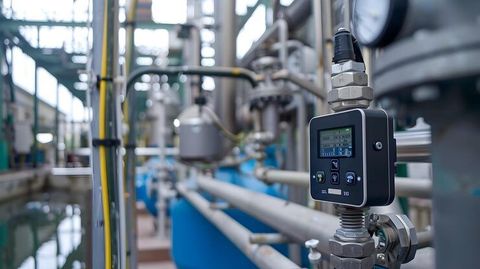
Digital monitoring technologies help operators observe important process conditions during production. Depending on the machine configuration, sensors may monitor:
Molten metal temperature.
Ladle position and movement.
Pouring speed and duration.
Equipment operating status.
Hydraulic pressure and motor performance.
Collected information can support production records, equipment inspections, and process adjustments. Some manufacturing facilities also integrate pouring equipment with broader industrial monitoring platforms.
Energy and Environmental Considerations
Foundries are increasingly examining energy consumption, material recovery, and emissions management. Efficient furnace operation, improved insulation, controlled heating, and better process coordination are relevant areas of development.
Manufacturers are also examining ways to reduce unnecessary metal handling and material losses. These activities form part of broader efforts to improve resource efficiency throughout metal casting operations.
Equipment Design Improvements
Current equipment development also focuses on improved mechanical stability, temperature-resistant materials, easier inspection access, and more reliable control arrangements. These features are important because pouring machines operate in demanding environments involving heat, vibration, dust, and heavy materials.
Laws or Policies
Metal pouring machines operate within industrial safety, machinery, environmental protection, and workplace health frameworks. The applicable requirements depend on the country, equipment category, manufacturing location, and type of metal casting operation.
Since metal pouring involves high temperatures, moving machinery, and potentially hazardous materials, industrial facilities generally need documented safety procedures and appropriate equipment protection.
Industrial Machinery Safety
Machinery safety frameworks address equipment design, risk assessment, guarding, emergency stopping, and safe operation. International standards such as ISO 12100 provide principles for machinery risk assessment and risk reduction.
Electrical equipment used in industrial machinery may also need to follow relevant electrical safety requirements, including applicable IEC standards. Machinery manufacturers and facility operators must determine which requirements apply to their equipment and operating environment.
Workplace Safety Requirements
Workplace safety rules commonly address:
Protection from molten metal splashes and heat exposure.
Appropriate protective clothing and face protection.
Safe handling and transportation of pouring ladles.
Emergency procedures for metal spills and equipment failures.
Training for personnel operating or working near casting equipment.
Inspection of lifting devices, hydraulic systems, and mechanical components.
In some jurisdictions, occupational safety authorities establish additional requirements for foundries and high-temperature industrial operations.
Environmental Regulations
Foundry operations may also fall under environmental rules covering air emissions, industrial waste, energy use, and pollution prevention. Depending on the process, facilities may need appropriate ventilation, dust collection, exhaust treatment, and waste-handling arrangements.
Regulatory requirements differ across countries and industrial regions. Therefore, environmental permits, machinery conformity requirements, and workplace safety obligations should be assessed according to the relevant local framework.
Tools and Resources
Several technical tools and information resources help manufacturers understand metal pouring operations, evaluate equipment configurations, and maintain production records.
Engineering and Design Tools
Computer-aided design software helps engineers develop machine layouts, ladle arrangements, pouring mechanisms, and mould-related components. Three-dimensional models can also help evaluate equipment positioning and accessibility before installation.
Casting simulation software is another important resource. It can model molten metal flow, mould filling, temperature distribution, and solidification behaviour. These simulations help engineers examine potential casting problems before physical production begins.
Monitoring and Measurement Equipment
Common tools used alongside metal pouring machines include:
Pyrometers: Measure temperatures without direct contact with molten metal.
Thermocouples: Monitor temperature in suitable industrial applications.
Flow monitoring instruments: Help assess material movement where compatible with the process.
Load cells: Measure the weight of ladles or material containers.
Programmable controllers: Manage machine movements and operating sequences.
Inspection instruments: Support dimensional and quality checks on finished castings.
Maintenance and Production Resources
Maintenance records help track equipment inspections, component replacement, operating hours, and recurring mechanical problems. Digital production logs can also record temperature readings, pouring cycles, and equipment interruptions.
Technical documentation from equipment manufacturers, foundry engineering publications, machinery safety standards, and industrial training materials can provide additional information about machine operation and casting processes.
FAQs
What Are Metal Pouring Machines Used For?
Metal pouring machines transfer molten metal from furnaces or holding containers into casting moulds. They help control the movement and discharge of liquid metal during manufacturing.
How Do Automatic Metal Pouring Machines Work?
Automatic metal pouring machines use programmed controls, mechanical movements, sensors, and pouring mechanisms to transfer molten metal into moulds. Their operation depends on the machine design and production requirements.
What Equipment Is Used Alongside Metal Pouring Machines?
Common supporting equipment includes melting furnaces, holding furnaces, ladles, moulding systems, temperature measuring instruments, robotic handling units, and cooling arrangements.
What Materials Can Metal Pouring Machines Handle?
Depending on their design, these machines can handle molten aluminium, iron, steel, copper alloys, and other casting metals. Equipment selection depends on temperature requirements, material properties, and production conditions.
How Do Robotic Metal Pouring Machines Improve Foundry Operations?
Robotic pouring systems perform programmed movements and can maintain consistent pouring sequences. They can also reduce direct worker involvement in certain high-temperature activities when supported by appropriate safety systems.
Conclusion
Metal pouring machines play an important role in modern foundry operations by transferring molten metal into moulds through controlled mechanical or automated processes. Their applications extend across automotive, construction, energy, aerospace, and general manufacturing industries. Developments in robotics, digital monitoring, equipment design, and energy management continue to influence industrial casting practices. Understanding machine types, operating principles, safety requirements, and supporting equipment provides a useful foundation for understanding modern metal casting.