Electric Vehicle Batteries Guide With Types, Features, and Performance Insights
Electric vehicle batteries are essential components that store electrical energy and supply power to the motor that moves an electric vehicle. An electric vehicle batteries guide helps explain how these energy storage systems work, the different battery types available, their features, and the factors that influence performance.
As electric mobility expands across India and other markets, battery technology has become an important part of transportation, energy management, and environmental planning.
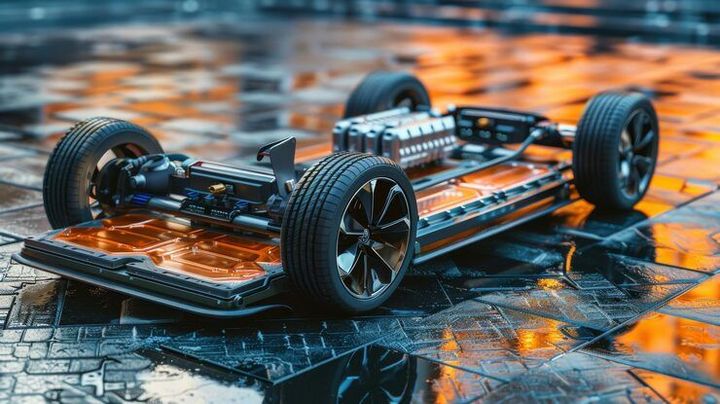
Unlike conventional vehicles that use petrol or diesel engines, battery electric vehicles rely on rechargeable battery packs. These packs contain multiple individual cells connected to provide the voltage and energy capacity required by the vehicle. Their design influences driving range, charging time, vehicle weight, acceleration, and overall operating characteristics.
What Is an Electric Vehicle Battery?
An electric vehicle battery is a rechargeable energy storage system designed to power an electric motor. Most modern electric cars, scooters, buses, and commercial vehicles use lithium-ion battery technology because it offers a combination of energy density, efficiency, and rechargeable performance.
A complete battery pack contains several components:
Battery cells: Individual units that store electrical energy through chemical reactions.
Battery modules: Groups of cells assembled into larger units.
Battery management system (BMS): Monitors voltage, temperature, current, and battery operating conditions.
Thermal management system: Helps maintain suitable battery temperatures.
Battery enclosure: Protects internal components from physical damage and environmental exposure.
Electrical connections: Transfer energy between the battery pack, motor, and other vehicle systems.
These components work together to maintain controlled energy storage and delivery.
How Electric Vehicle Batteries Work
Electric vehicle batteries store energy through electrochemical reactions. During driving, the battery releases electrical energy that powers the vehicle's motor.
When connected to a compatible charging system, electrical energy flows back into the battery and restores its stored energy. This process can be repeated over many charging cycles, although battery capacity gradually changes with age and use.
Many electric vehicles also use regenerative braking. This system converts some of the vehicle's movement energy into electrical energy during deceleration and sends it back to the battery.
Importance of Electric Vehicle Batteries in Modern Transportation
Electric vehicle batteries are important because they directly influence how electric vehicles operate. Battery capacity, charging performance, durability, and temperature management affect the everyday experience of drivers and passengers.
The development of battery technology also supports wider transportation changes, including reduced dependence on petrol and diesel and the integration of renewable electricity into transport systems.
Major Types of Electric Vehicle Batteries
Different battery chemistries are used in electric vehicles. Each has particular characteristics related to energy density, thermal behaviour, lifespan, and material composition.
Lithium Iron Phosphate (LFP): LFP batteries use lithium iron phosphate as their cathode material. They are known for their relatively stable thermal characteristics and durability. Their energy density is generally lower than that of some nickel-based lithium-ion batteries, which can influence vehicle weight and packaging requirements.
Nickel Manganese Cobalt (NMC): NMC batteries combine nickel, manganese, and cobalt in their cathode chemistry. They offer relatively high energy density, making them suitable for vehicles where battery capacity and available space are important considerations.
Nickel Cobalt Aluminium (NCA): NCA batteries use nickel, cobalt, and aluminium. They are designed to provide high energy density and are used in selected electric vehicle applications.
Lithium Titanate (LTO): LTO batteries use lithium titanate in the anode. They can support rapid charging and many charging cycles, although their energy density is generally lower than that of conventional lithium-ion alternatives.
Sodium-Ion Batteries: These batteries use sodium-based chemistry instead of lithium. They are an emerging alternative with potential material availability advantages, although their energy density and commercial suitability vary by application.
Comparison of Electric Vehicle Battery Types
| Battery Type | Main Characteristics | Common Considerations |
|---|---|---|
| LFP | Thermal stability and durability | Lower energy density |
| NMC | Relatively high energy density | Material composition and thermal management |
| NCA | High energy density | Careful temperature control |
| LTO | Rapid charging capability and cycle durability | Lower energy density |
| Sodium-ion | Uses widely available sodium materials | Developing commercial applications |
Features That Influence Battery Performance
Several technical features determine how an electric vehicle battery performs during everyday operation.
Energy density: Indicates how much energy a battery stores relative to its weight or volume.
Battery capacity: Measured in kilowatt-hours (kWh), it describes the amount of electrical energy the battery can store.
Charging rate: Determines how quickly the battery can receive electrical energy under suitable conditions.
Cycle life: Refers to the number of charging and discharging cycles a battery can undergo before its capacity declines to a specified level.
Thermal stability: Describes how the battery behaves under different temperature conditions.
Power output: Indicates how much electrical power the battery can deliver to the vehicle's motor.
Recent Developments in Electric Vehicle Battery Technology
Electric vehicle battery technology continues to develop through improvements in cell chemistry, battery management, charging systems, and manufacturing processes. Current developments across the 2024–2026 period reflect growing interest in battery durability, material efficiency, charging performance, and recycling.
Advances in LFP and High-Nickel Batteries
LFP battery technology continues to receive attention because of its chemical stability and suitability for different electric vehicle categories. Improvements in cell design and pack integration are helping manufacturers use available battery space more effectively.
High-nickel battery chemistries are also evolving. Research focuses on improving energy density, reducing dependence on certain materials, and addressing long-term durability and thermal management requirements.
Solid-State Battery Development
Solid-state batteries use a solid electrolyte instead of the liquid or gel electrolytes found in conventional lithium-ion cells. This technology is being studied for its potential to improve energy density and safety characteristics.
However, manufacturing complexity, material stability, production scalability, and durability remain important development challenges. Commercial availability varies, and widespread adoption should not be assumed.
Battery Management and Smart Monitoring
Modern battery management systems use sensors and electronic controls to monitor battery conditions. These systems track cell voltage, temperature, current flow, and estimated state of charge.
More advanced monitoring methods can also help estimate battery health and identify unusual operating conditions. This information supports controlled charging and helps protect battery components.
Battery Recycling and Second-Life Applications
Battery recycling is becoming an important part of electric vehicle manufacturing and waste management. Recycling processes can recover materials such as lithium, nickel, cobalt, copper, and aluminium, depending on the battery chemistry and processing method.
Some used vehicle batteries may also be suitable for stationary energy storage applications after appropriate testing. Their remaining capacity and physical condition determine whether they can be reused safely.
Laws and Policies Affecting Electric Vehicle Batteries in India
India's electric vehicle battery industry is influenced by government policies covering battery manufacturing, vehicle safety, environmental protection, and recycling. These regulations help establish requirements for battery quality, transportation, waste management, and responsible manufacturing.
Battery Waste Management Rules
India's Battery Waste Management Rules, 2022, establish an Extended Producer Responsibility framework for different battery categories, including electric vehicle batteries.
Under this framework, relevant producers have responsibilities concerning battery collection, recycling, and environmentally appropriate management at the end of a battery's useful life.
Important regulatory considerations include:
Registration of applicable producers and recyclers.
Collection and environmentally sound recycling of waste batteries.
Compliance with applicable recycling and recovery requirements.
Maintenance of relevant records and reporting information.
Proper handling of battery waste.
Electric Vehicle Safety Standards
Electric vehicle batteries must meet applicable safety and performance requirements. In India, automotive battery safety requirements are addressed through relevant Automotive Industry Standards, including AIS-156 for electric powertrain vehicles in applicable categories.
These requirements cover aspects such as electrical safety, battery protection, thermal behaviour, and testing procedures. Applicable requirements depend on vehicle classification and current regulatory provisions.
Government Programmes Supporting Electric Mobility
India has introduced different policy initiatives to support electric mobility and domestic manufacturing.
These include the National Electric Mobility Mission framework, the Faster Adoption and Manufacturing of Electric Vehicles (FAME) programme, and the Production Linked Incentive (PLI) scheme for Advanced Chemistry Cell battery storage.
Such programmes aim to support electric vehicle adoption, domestic battery manufacturing capabilities, and the development of energy storage technology. Their current eligibility conditions and implementation details depend on government notifications.
Tools and Resources for Understanding EV Batteries
Several digital tools and technical resources help vehicle owners, manufacturers, and engineering teams understand battery characteristics and performance.
Battery Range and Charging Calculators
Electric vehicle calculators estimate driving range and charging requirements using battery capacity, vehicle energy consumption, and charging power.
Common calculations include:
Estimated driving range based on battery capacity.
Charging time using compatible charging equipment.
Electricity consumption per kilometre.
Energy requirements for a particular journey.
Estimated battery usage under different driving conditions.
Actual results vary according to speed, temperature, road conditions, vehicle weight, and charging efficiency.
Battery Management and Diagnostic Tools
Battery diagnostic systems provide information about battery health, voltage, temperature, and charging behaviour. Some vehicle manufacturers also provide digital displays or connected applications that show battery status and estimated driving range.
Technical Standards and Information Platforms
The Bureau of Indian Standards (BIS), Ministry of Heavy Industries, and Ministry of Environment, Forest and Climate Change publish information relating to relevant standards, policies, and regulatory requirements.
Engineering teams may also use battery modelling software to evaluate cell behaviour, thermal performance, charging characteristics, and energy consumption.
Frequently Asked Questions About Electric Vehicle Batteries
What Are the Different Types of Electric Vehicle Batteries?
Common types include LFP, NMC, NCA, and LTO lithium-based batteries. Sodium-ion batteries are also developing as an alternative energy storage technology. Each chemistry has different characteristics related to energy density, charging behaviour, durability, and thermal performance.
How Long Do Electric Vehicle Batteries Last?
Battery lifespan depends on chemistry, charging habits, temperature, driving conditions, and usage patterns. Battery capacity gradually decreases through ageing and repeated charging cycles. Manufacturers specify battery warranty conditions and capacity requirements for individual vehicle models.
What Is the Difference Between LFP and NMC EV Batteries?
LFP batteries use lithium iron phosphate chemistry and generally provide relatively stable thermal characteristics and durability. NMC batteries combine nickel, manganese, and cobalt and generally provide higher energy density. The suitability of each type depends on vehicle design and operating requirements.
How Long Does It Take to Charge an Electric Vehicle Battery?
Charging time depends on battery capacity, charging equipment, vehicle compatibility, temperature, and the battery's current charge level. AC charging generally takes longer than compatible DC fast charging. Charging speed may also decrease as the battery approaches a high state of charge.
How Does Battery Management Improve EV Battery Performance?
A battery management system monitors voltage, temperature, current, and other operating conditions. It helps control charging and discharging, balance cells where applicable, and protect the battery against unsuitable operating conditions.
Conclusion
Electric vehicle batteries are central to electric transportation because they determine energy storage, driving range, charging characteristics, and vehicle performance. Different battery chemistries, including LFP, NMC, NCA, and emerging sodium-ion technologies, serve different technical requirements. Developments in battery management, solid-state research, recycling, and domestic manufacturing continue to shape the industry. In India, battery manufacturing and disposal are influenced by safety standards, environmental regulations, and government electric mobility policies.