CNC Plasma Cutting Systems Explained With Working Principles and Key Components
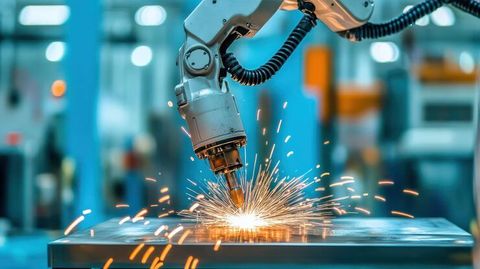
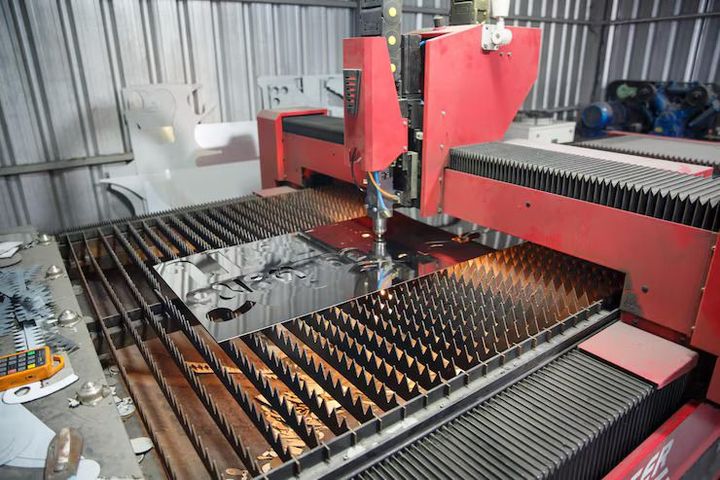
CNC plasma cutting systems are computer-controlled metal cutting machines used to cut electrically conductive materials into specific shapes and dimensions. These systems use a high-temperature plasma arc to melt metal while a high-velocity gas stream removes the molten material from the cutting area.
CNC plasma cutting technology is widely used in metal fabrication, automotive manufacturing, construction, shipbuilding, heavy engineering, and industrial equipment production.
The technology combines plasma arc cutting with Computer Numerical Control (CNC). Plasma cutting was developed as an industrial metal processing method to handle conductive materials, while CNC technology introduced programmed movement and automated cutting paths. Combining these technologies allows manufacturers to produce straight cuts, curves, holes, and complex metal profiles according to digital designs.
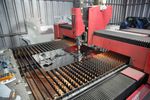
Modern CNC plasma cutting systems include a plasma power source, cutting torch, gas supply, CNC controller, cutting table, and motion control equipment. Each component performs a specific function to maintain controlled cutting operations.
What Is a CNC Plasma Cutting System?
A CNC plasma cutting system is an automated machine that uses electrical energy and ionised gas to cut metal. The plasma arc generates intense heat, which melts the material along a programmed cutting path.
The CNC controller directs the cutting torch according to instructions created through computer-aided design and manufacturing software. This allows the machine to follow specific shapes and dimensions without requiring the operator to guide the torch manually throughout the process.
CNC plasma cutting is commonly used for materials such as:
Mild steel.
Stainless steel.
Aluminium.
Copper.
Other electrically conductive metals, depending on equipment specifications.
The machine's cutting capacity depends on material thickness, plasma power, gas selection, torch design, and operating conditions.
Working Principles of CNC Plasma Cutting Systems
The working principle of CNC plasma cutting involves electrical energy, gas ionisation, heat generation, and controlled machine movement.
The general process follows several stages:
Digital design: A component is created using CAD software or imported from an existing engineering drawing.
Toolpath preparation: CAM software converts the design into machine instructions.
Material positioning: The metal sheet or plate is placed securely on the cutting table.
Plasma generation: The power source creates an electrical arc inside the cutting torch.
Gas ionisation: A suitable gas passes through the torch and becomes electrically conductive plasma.
Metal cutting: The high-temperature plasma arc melts the metal, while the gas stream removes molten material from the cut.
CNC movement: The controller guides the torch along the programmed cutting path.
Component removal: The finished metal parts are separated from the remaining sheet after the cutting operation.
The cutting process depends on maintaining suitable torch height, arc stability, gas flow, and cutting speed.
Key Components of CNC Plasma Cutting Systems
Each component contributes to the overall operation and cutting quality of the machine.
Plasma power supply: Generates the electrical energy required to establish and maintain the plasma arc.
Plasma torch: Directs the plasma arc toward the metal surface and contains consumable parts such as electrodes and nozzles.
CNC controller: Reads programmed instructions and coordinates machine movement.
Motion control system: Uses motors and drive mechanisms to move the cutting torch along the required axes.
Gas supply system: Provides the gas required for plasma generation and cutting.
Cutting table: Supports the metal sheet during processing and may include water or downdraft extraction arrangements.
Height control system: Maintains the appropriate distance between the torch and the metal surface.
Electrical and safety systems: Support controlled operation through protective circuits, emergency stops, and other safety features.
Importance of CNC Plasma Cutting Systems in Modern Manufacturing
CNC plasma cutting systems are important because many industrial products require metal components with specific shapes, dimensions, and cut-out patterns. Traditional manual cutting methods can require considerable operator effort and may be less suitable for repeated complex profiles.
Automated plasma cutting helps manufacturers process metal sheets and plates according to digital designs. It also supports consistent production planning and the preparation of components for bending, welding, machining, and assembly.
Industrial Applications of CNC Plasma Cutting
Different industries use CNC plasma cutting systems for particular metal fabrication requirements.
Automotive manufacturing: Produces brackets, support plates, chassis components, and selected structural parts.
Construction: Cuts steel plates, structural supports, metal frames, and building components.
Shipbuilding: Processes suitable steel plates used in ship structures and fabrication assemblies.
Heavy engineering: Produces machine bases, equipment frames, industrial brackets, and metal supports.
Agricultural equipment: Cuts components for machinery frames, implements, and equipment housings.
Electrical manufacturing: Produces metal enclosures, mounting plates, and electrical cabinet components.
Advantages and Limitations of Plasma Cutting
CNC plasma cutting provides several manufacturing advantages, although its suitability depends on the application.
Important advantages include:
Ability to cut different electrically conductive metals.
Support for complex shapes and programmed cutting paths.
Compatibility with automated production processes.
Suitability for various sheet and plate thicknesses within machine capacity.
Faster processing than some mechanical cutting methods in appropriate applications.
However, plasma cutting also has limitations. The process generates heat, which can create a heat-affected zone around the cut edge. Edge quality can vary depending on material thickness, torch condition, cutting speed, and machine settings.
For very thin materials or applications requiring particularly fine cutting details, laser cutting may be more suitable.
Comparison of Common CNC Metal Cutting Technologies
| Cutting Technology | Working Principle | Common Application |
|---|---|---|
| CNC plasma cutting | Ionised gas melts metal | Steel plate fabrication |
| CNC laser cutting | Focused laser beam melts or vaporises material | Precision sheet cutting |
| Waterjet cutting | High-pressure water, sometimes with abrasive | Heat-sensitive material cutting |
| Mechanical shearing | Opposing blades separate metal | Straight sheet cutting |
| Oxy-fuel cutting | Fuel gas and oxygen generate cutting heat | Suitable thicker steel plates |
Recent Developments in CNC Plasma Cutting Technology
CNC plasma cutting technology continues to develop through digital controls, automated material handling, improved torch designs, and production monitoring. Current developments across 2024–2026 reflect increasing attention to cutting consistency, operational efficiency, safety, and integration with digital manufacturing systems.
Advanced CNC Controllers
Modern CNC controllers provide improved control over cutting paths, torch movement, and machine operating parameters. Digital interfaces allow operators to manage cutting sequences, select programmed designs, and monitor machine conditions.
Some systems also include automatic nesting functions that arrange multiple component shapes on a metal sheet. This helps organise material layouts and reduce unused sheet areas.
Improved Plasma Torch Technology
Developments in plasma torch design focus on arc stability, consumable durability, and cutting quality. Improved electrode and nozzle designs help control the plasma stream and maintain suitable cutting conditions.
Some systems use specialised gas combinations for particular materials and thickness ranges. Gas selection must follow the equipment manufacturer's specifications and the intended cutting application.
Automated Height Control
Torch height control is important because the distance between the torch and metal surface affects arc stability and cut quality. Modern systems may use arc voltage monitoring and other sensing arrangements to adjust torch position automatically.
This is particularly useful when metal sheets have surface irregularities or variations in flatness.
Digital Manufacturing Integration
CNC plasma cutting machines are increasingly connected with CAD/CAM software, production planning systems, and digital monitoring platforms.
These technologies help manufacturing teams manage cutting files, material layouts, machine operating information, and production sequences. They can also support maintenance planning by recording equipment conditions and operating history.
Laws and Policies Affecting CNC Plasma Cutting in India
CNC plasma cutting operations in India are influenced by industrial workplace safety regulations, environmental requirements, electrical safety provisions, and applicable manufacturing standards.
These regulations address worker protection, machine operation, air pollution, industrial waste, and safe handling of manufacturing equipment.
Workplace Safety Regulations
Plasma cutting involves high electrical energy, intense heat, ultraviolet radiation, molten metal, fumes, and compressed gases. Suitable workplace arrangements are therefore important for reducing exposure to operational hazards.
India's Occupational Safety, Health and Working Conditions Code, 2020, forms part of the country's occupational safety framework. Applicable requirements depend on the establishment, relevant notifications, and implementation provisions.
Important safety considerations include:
Suitable machine guarding and emergency stopping systems.
Welding and cutting helmets with appropriate eye protection.
Protective clothing and gloves.
Proper ventilation and local exhaust extraction.
Safe handling and storage of compressed gas cylinders.
Electrical grounding and equipment inspection.
Fire prevention and suitable emergency arrangements.
Environmental and Air Quality Requirements
Plasma cutting can produce metal fumes, airborne particles, and cutting residues. Industrial facilities may need suitable extraction and filtration arrangements to manage emissions within applicable requirements.
The Central Pollution Control Board (CPCB) and State Pollution Control Boards oversee relevant environmental regulations in India. Specific requirements depend on the facility, manufacturing activity, and applicable pollution control classification.
Metal scrap and other industrial waste should also be handled according to relevant waste management provisions.
Industrial Standards and Equipment Compliance
The Bureau of Indian Standards (BIS) develops standards covering different industrial materials, electrical products, and engineering requirements. Manufacturers may need to consider applicable standards for electrical safety, metal specifications, and finished component requirements.
The relevant technical requirements depend on the machine type, installation, and intended application.
Tools and Resources for CNC Plasma Cutting Operations
Several engineering tools and digital resources help manufacturers plan plasma cutting operations, prepare machine instructions, and inspect finished components.
CAD and CAM Software
Computer-Aided Design (CAD) software helps engineers create two-dimensional and three-dimensional component drawings. Computer-Aided Manufacturing (CAM) software converts these designs into machine-readable cutting instructions.
Common functions include:
Component drawing and profile development.
Cutting path generation.
Lead-in and lead-out configuration.
Material nesting.
Cutting sequence planning.
CNC program generation.
Plasma Cutting Calculators
Plasma cutting calculators help estimate operating requirements based on material type, thickness, and machine specifications. They may include calculations for cutting speed, material weight, gas requirements, and production time.
These estimates depend on the equipment configuration and should be checked against the machine's technical documentation.
Machine Monitoring Tools
Digital monitoring systems help track operating conditions such as cutting time, machine status, torch height, and equipment alarms. Some platforms also maintain operating records for production analysis and maintenance planning.
Quality Inspection Equipment
Inspection instruments help verify the dimensions and condition of cut metal components. Common tools include:
Digital callipers for dimensional measurements.
Micrometers for material thickness.
Angle gauges for checking component geometry.
Measuring tapes and steel rulers.
Surface inspection tools for examining cut edges.
Frequently Asked Questions About CNC Plasma Cutting Systems
What Are CNC Plasma Cutting Systems Used For?
CNC plasma cutting systems are used to cut electrically conductive metals into specific shapes and dimensions. Common applications include automotive components, construction materials, machinery parts, metal frames, and industrial equipment.
How Does a CNC Plasma Cutting Machine Work?
A CNC plasma cutting machine uses an electrical arc to ionise gas and generate high-temperature plasma. The plasma melts the metal, while a gas stream removes molten material as the CNC controller moves the torch along a programmed cutting path.
What Are the Main Components of a CNC Plasma Cutting System?
The main components include a plasma power supply, cutting torch, CNC controller, motion control system, gas supply, cutting table, torch height control, and safety equipment.
Which Materials Can CNC Plasma Cutting Machines Process?
CNC plasma cutting machines can process electrically conductive materials such as mild steel, stainless steel, aluminium, and copper. The suitable material thickness depends on the power source, torch configuration, and machine specifications.
What Is the Difference Between CNC Plasma Cutting and Laser Cutting?
Plasma cutting uses an ionised gas arc to melt metal, while laser cutting uses a concentrated beam of light to process material. Plasma cutting is commonly used for conductive metal plates, whereas laser cutting is often selected for applications requiring finer details and narrower cuts.
Conclusion
CNC plasma cutting systems combine electrical energy, ionised gas, and computer-controlled movement to process conductive metals into specific shapes. Their applications extend across automotive, construction, shipbuilding, agriculture, and heavy engineering. Developments in CNC controls, torch technology, automated height adjustment, and digital manufacturing are influencing modern cutting operations. Cutting quality depends on material properties, equipment configuration, operating parameters, maintenance, and appropriate workplace safety arrangements.