Automatic Textile Cutting Machines: Types, Features, and Industrial Applications
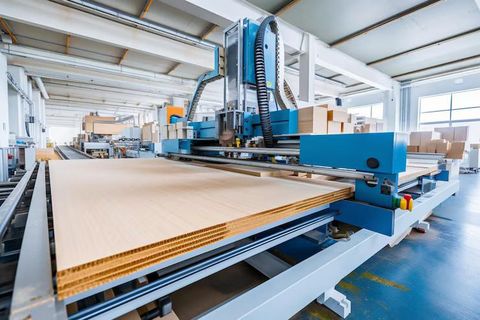
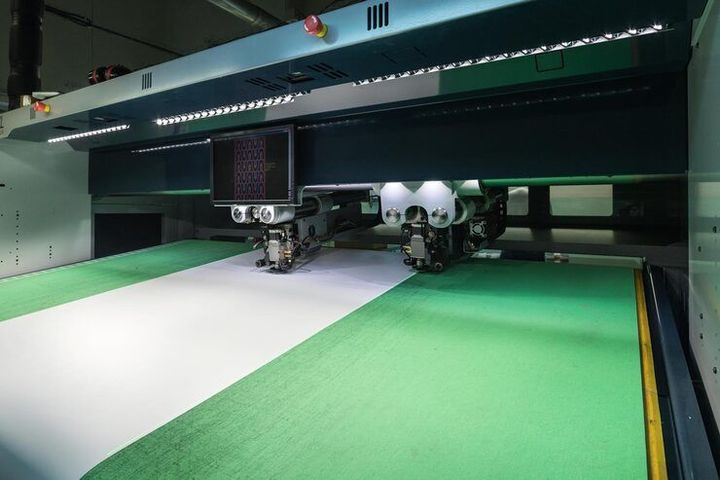
Automatic textile cutting machines are specialised manufacturing systems designed to cut fabric and other textile materials into specific shapes and dimensions with minimal manual handling.
These machines use computer-controlled technology, cutting tools, and digital pattern information to process materials used in garments, upholstery, automotive interiors, home furnishings, and technical textiles.
Traditional textile cutting often involved manual scissors, rotary cutters, and mechanical cutting equipment. Although these methods remain useful for certain applications, growing production requirements created a need for more consistent cutting processes. Automatic textile cutting machines were developed to improve cutting accuracy, reduce repetitive manual work, and support the preparation of multiple fabric components.
Modern systems combine Computer-Aided Design (CAD), Computer-Aided Manufacturing (CAM), automated fabric spreading, and computer-controlled cutting heads. Depending on their configuration, they can process single fabric layers or multiple layers arranged in a cutting stack.
What Is an Automatic Textile Cutting Machine?
An automatic textile cutting machine is an industrial system that follows programmed cutting instructions to separate fabric into required patterns. The machine receives digital design information and moves a cutting tool along predefined paths.
The cutting process may use a straight knife, rotary blade, oscillating blade, laser, or other specialised cutting mechanism. The appropriate technology depends on fabric composition, thickness, flexibility, and the required edge quality.
A typical automatic textile cutting system includes:
Cutting table: Provides a stable surface for positioning textile materials.
Cutting head: Holds the blade or cutting mechanism.
Control system: Processes digital patterns and controls machine movements.
Vacuum system: Holds fabric layers in position during cutting.
Fabric spreading unit: Arranges material evenly before cutting, where integrated.
CAD/CAM software: Converts digital patterns into machine-readable cutting instructions.
Material handling system: Helps move fabric and completed components through the production process.
These components work together to support accurate cutting and organised material preparation.
How Automatic Textile Cutting Technology Works
The process generally begins with a digital pattern created using textile design software. The pattern contains information about component shapes, dimensions, and cutting paths.
The fabric is then placed on the cutting table, either manually or through an automated spreading arrangement. Once the material is positioned, the machine follows the programmed instructions to cut the required shapes.
The basic process involves four stages:
Pattern preparation: Digital designs are created or imported into the cutting software.
Fabric arrangement: Textile material is spread and positioned on the cutting surface.
Automatic cutting: The cutting head follows programmed paths to separate the fabric.
Component collection: Cut pieces are identified, sorted, and prepared for stitching or further processing.
The number of layers processed in one operation depends on the machine design and material characteristics.
Importance of Automatic Textile Cutting Machines in Modern Manufacturing
Automatic textile cutting machines are important because textile manufacturing requires accurate patterns, consistent component dimensions, and organised material usage. Cutting is one of the early stages of garment and textile production, and errors at this stage can affect stitching, assembly, and final product dimensions.
Automation helps manufacturing facilities manage repetitive cutting operations while reducing dependence on manual pattern tracing and cutting. It also supports production planning when different product designs or fabric types must be processed.
Industrial Applications of Automatic Textile Cutting Machines
These machines are used in several industries that require fabric components with specific shapes and dimensions.
Garment manufacturing: Cuts patterns for shirts, trousers, dresses, jackets, uniforms, and other clothing products.
Automotive industry: Processes fabrics, carpets, seat covers, interior panels, and upholstery materials.
Furniture manufacturing: Cuts upholstery fabric, foam coverings, curtains, and decorative textile components.
Home furnishing industry: Produces fabric pieces for bedsheets, pillow covers, curtains, and other household textiles.
Footwear manufacturing: Cuts selected textile and synthetic materials used in shoe linings and upper components.
Technical textiles: Processes specialised fabrics used in filtration, protective clothing, industrial coverings, and selected composite applications.
Main Benefits of Automated Textile Cutting
Automatic cutting systems address several challenges associated with manual textile processing.
Important benefits include:
Dimensional consistency: Programmed cutting paths help maintain similar component shapes across production batches.
Reduced manual handling: Automated movements reduce repetitive cutting activities.
Material utilisation: Nesting software helps arrange patterns to limit unused fabric between components.
Production flexibility: Digital patterns can be adjusted for different product designs.
Process integration: Cutting equipment can connect with fabric spreading, design software, and production planning systems.
Repeatability: Stored cutting programs can be used for repeated production requirements.
Actual performance depends on fabric characteristics, machine configuration, cutting speed, and operator settings.
Comparison of Automatic Textile Cutting Machine Types
| Machine Type | Cutting Method | Common Application |
|---|---|---|
| Automatic straight knife cutter | Reciprocating straight blade | Multi-layer fabric cutting |
| CNC oscillating knife cutter | Rapid blade movement | Technical textiles and upholstery |
| Rotary blade cutter | Rotating circular blade | Flexible fabrics and selected textile materials |
| Laser textile cutter | Focused laser beam | Synthetic fabrics and intricate patterns |
| Single-ply cutter | Cuts individual fabric layers | Samples and detailed garment components |
| Multi-ply cutter | Cuts stacked fabric layers | Bulk garment manufacturing |
Recent Developments in Automatic Textile Cutting Technology
Automatic textile cutting technology continues to develop through digital integration, improved machine controls, artificial intelligence, and advanced material handling. Current industry trends across 2024–2026 reflect increasing attention to production flexibility, material efficiency, and connected manufacturing systems.
AI-Assisted Pattern Nesting
Pattern nesting software arranges different fabric components within a defined material area. The objective is to reduce unused spaces while maintaining the required pattern orientation and cutting clearances.
Recent software developments increasingly incorporate intelligent algorithms to evaluate different pattern arrangements. These systems can consider fabric width, grain direction, material defects, and production requirements.
However, actual material utilisation depends on pattern geometry, fabric characteristics, and the accuracy of the digital layout.
Advanced CNC Cutting Systems
Computer Numerical Control (CNC) technology allows automatic textile cutting machines to follow programmed movements and cutting paths. Modern systems may include improved motion controls, automatic tool adjustments, and digital operating interfaces.
These developments support the processing of complex shapes and different textile materials. Some machines also include automatic tool recognition and cutting parameter adjustments according to the selected material.
Robotics and Automated Fabric Handling
Robotic systems and automated material handling equipment are increasingly being integrated into textile production environments. They can support fabric loading, spreading, component sorting, and movement between manufacturing stages.
Automation can reduce repetitive handling and help coordinate cutting operations with other production activities. The level of automation varies according to machine design and factory requirements.
Sustainable Textile Manufacturing
Material efficiency and waste reduction are receiving greater attention across the textile industry. Automatic cutting systems support these objectives through digital nesting, accurate pattern placement, and controlled cutting operations.
Manufacturers are also processing different recycled and specialised textile materials. These materials may require adjustments to blade selection, cutting speed, holding pressure, and other machine settings.
Laws and Policies Affecting Textile Cutting Equipment in India
Automatic textile cutting operations in India are influenced by workplace safety regulations, environmental requirements, textile industry policies, and applicable machinery standards. These rules address employee protection, industrial waste, equipment operation, and manufacturing practices.
Workplace Safety Regulations
Automatic textile cutting machines contain moving blades, electrical systems, vacuum equipment, and mechanical components. Appropriate safety arrangements are important to reduce the risk of injuries during operation and maintenance.
India's Occupational Safety, Health and Working Conditions Code, 2020, forms part of the country's occupational safety framework. Applicable provisions depend on the establishment, relevant notifications, and implementation requirements.
Textile manufacturing facilities should consider:
Emergency stopping mechanisms.
Blade guards and protective barriers.
Electrical safety arrangements.
Safe fabric loading and unloading procedures.
Operator training and supervision.
Regular equipment inspection.
Suitable personal protective equipment.
Maintenance procedures should also prevent unexpected machine movement during inspection or blade replacement.
Environmental and Textile Waste Regulations
Textile manufacturing can generate fabric scraps, packaging waste, dust, and other industrial residues. Appropriate waste segregation, handling, and disposal practices help reduce environmental impacts.
India's environmental framework includes the Environment (Protection) Act, applicable waste management rules, and pollution control requirements. Specific obligations depend on the manufacturing activity and the type of waste generated.
Government Initiatives for Textile Manufacturing
Government programmes such as the Production Linked Incentive (PLI) Scheme for Textiles and the PM MITRA Parks initiative are intended to support aspects of India's textile manufacturing ecosystem.
These initiatives address areas such as manufacturing investment, textile infrastructure, and the development of integrated production facilities. Their relevance to individual manufacturers depends on eligibility conditions and programme provisions.
Tools and Resources for Automatic Textile Cutting
Various digital platforms and measurement tools help textile manufacturers prepare patterns, plan cutting layouts, monitor machines, and inspect completed components.
CAD and CAM Software
CAD software is used to create garment patterns and textile component designs. CAM software converts these designs into machine-readable instructions for cutting equipment.
Common functions include:
Digital pattern creation and editing.
Pattern grading for different sizes.
Fabric nesting and layout planning.
Cutting path generation.
Pattern measurement and dimensional checks.
Production file management.
Fabric Utilisation Calculators
Fabric utilisation calculators help estimate how much material is required for a particular production quantity. These tools may consider fabric width, component dimensions, pattern arrangement, and expected material waste.
Nesting software provides more detailed layout information by arranging multiple pattern pieces within the available fabric area.
Textile Inspection Instruments
Quality inspection equipment helps verify fabric condition before cutting. Common instruments include fabric thickness gauges, measuring tapes, GSM testers, colour inspection equipment, and fabric defect detection systems.
These tools help identify material variations that may affect cutting accuracy or finished component quality.
Machine Monitoring and Maintenance Platforms
Digital machine monitoring systems can record cutting speed, operating hours, machine status, and maintenance information. Some platforms also track blade replacement, machine alarms, and production output.
Such records help manufacturing teams monitor equipment conditions and organise routine inspections.
Frequently Asked Questions About Automatic Textile Cutting Machines
What Are Automatic Textile Cutting Machines Used For?
Automatic textile cutting machines are used to cut fabric into predefined shapes and dimensions. They are commonly used in garment manufacturing, automotive upholstery, furniture production, footwear, home furnishings, and technical textile industries.
What Are the Different Types of Automatic Textile Cutting Machines?
Common types include straight knife cutters, oscillating knife cutters, rotary blade cutters, laser cutting machines, single-ply cutters, and multi-ply cutting systems. Each type is designed for particular materials and production requirements.
How Do Automatic Textile Cutting Machines Work?
These machines use digital patterns and programmed cutting paths to control the movement of a cutting tool. Fabric is positioned on a cutting table, and the machine follows the programmed design to produce the required components.
What Features Should an Automatic Fabric Cutting Machine Have?
Important features may include CNC controls, digital pattern compatibility, vacuum material holding, automatic tool adjustment, nesting software integration, and suitable cutting mechanisms. The required configuration depends on fabric type and production volume.
What Is the Difference Between Single-Ply and Multi-Ply Textile Cutting?
Single-ply cutting processes one fabric layer at a time and is useful for detailed patterns and sample production. Multi-ply cutting processes several stacked fabric layers together and is commonly used for larger garment production batches.
Conclusion
Automatic textile cutting machines have become an important part of modern textile manufacturing by combining digital patterns, computer-controlled cutting, and automated material handling. Different machine types support garment production, automotive upholstery, furniture, and technical textile applications. Recent developments focus on intelligent nesting, CNC controls, robotics, and material efficiency. Machine performance depends on fabric characteristics, cutting technology, software configuration, and appropriate operating practices.