Industrial Powder Filling Systems Guide With Packaging Technology and Manufacturing Insights
Industrial powder filling systems are specialised packaging machines designed to measure, dispense, and transfer powdered materials into containers, bags, pouches, bottles, and other packaging formats.
These systems are widely used in food processing, chemical manufacturing, cosmetics, agriculture, construction materials, and pharmaceutical production. Industrial powder filling technology helps manufacturers handle dry materials while maintaining consistent filling quantities, organised packaging operations, and suitable product handling conditions.
Powder filling equipment developed as manufacturing industries moved from manual packaging methods toward mechanised production. Traditional filling operations required workers to measure and transfer materials individually, which could create variations in filling quantities and increase material handling requirements. The introduction of mechanical dispensers, weighing systems, and automated packaging equipment made it possible to manage larger production volumes through controlled processes.
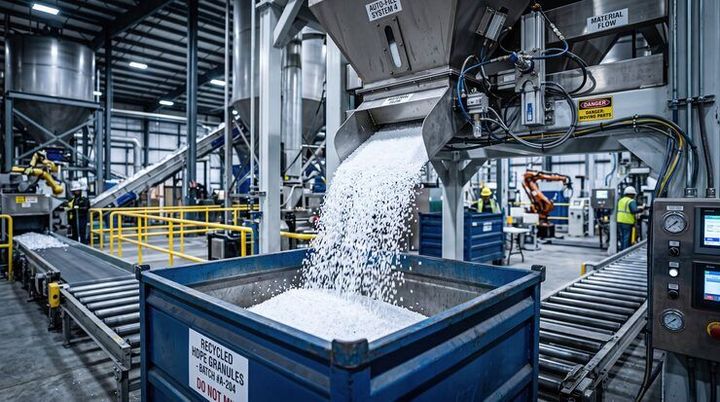
Modern industrial powder filling systems combine feeding mechanisms, dosing equipment, weighing controls, dust extraction arrangements, and packaging machinery. Their configuration depends on the characteristics of the powder, the required filling quantity, and the type of container being used.
What Are Industrial Powder Filling Systems?
Industrial powder filling systems are machines that dispense measured quantities of dry powdered materials into designated packaging containers. They are designed to handle materials with different particle sizes, densities, moisture levels, and flow characteristics.
The equipment generally operates through a feeding mechanism that moves powder from a storage hopper into a dosing unit. The dosing mechanism then measures the required quantity and transfers it into the packaging container.
Common components include:
Storage hopper: Holds the powdered material before the filling operation.
Feeding mechanism: Transfers powder from the hopper to the dispensing unit.
Dosing system: Measures and controls the quantity of material being dispensed.
Filling nozzle: Directs the powder into the container or package.
Weighing unit: Checks the quantity of material filled into the packaging.
Control panel: Allows operators to manage machine settings and production sequences.
Dust collection system: Captures airborne particles generated during powder handling.
These components work together to support controlled filling operations and reduce unnecessary material loss.
How Powder Filling Machines Work
The working process depends on the machine design and the physical properties of the material. However, most industrial powder filling systems follow a similar sequence.
Material loading: Powder is transferred into the machine hopper.
Material feeding: A feeding mechanism moves the powder toward the dosing section.
Quantity measurement: The machine measures the required amount using a volumetric or weight-based system.
Dispensing: The measured powder passes through a filling nozzle into the packaging container.
Weight verification: A weighing arrangement checks the filled quantity where applicable.
Packaging completion: The container moves to the next stage for sealing, capping, labelling, or secondary packaging.
The filling process may be manual, semi-automatic, or fully automated depending on production requirements.
Common Types of Powder Filling Equipment
Different powder filling machines are designed for particular material characteristics and packaging formats.
Auger filling machines: Use a rotating screw to move and dispense measured quantities of powder. They are commonly used for fine powders and materials that require controlled feeding.
Volumetric filling machines: Dispense powder according to a defined volume. They are suitable for applications where the material has relatively consistent flow and bulk density.
Net weight filling machines: Use weighing equipment to measure the actual quantity of powder entering the package. These systems are used when accurate weight measurement is an important requirement.
Gravity filling systems: Use gravity to move powder from a hopper into a container. Their suitability depends on material flow characteristics and the required filling accuracy.
Vacuum filling systems: Use controlled vacuum arrangements to transfer suitable powdered materials while managing dust and material movement. Their application depends on the material and equipment design.
Importance of Industrial Powder Filling Systems in Modern Manufacturing
Industrial powder filling systems are important because powdered materials are used in numerous products found in everyday life. Food ingredients, household cleaning products, construction materials, agricultural formulations, and personal care products are commonly packaged through controlled filling operations.
Manual handling can become difficult when manufacturers need to process large quantities of powder or maintain consistent package weights. Automated and semi-automated filling equipment helps organise these activities while reducing repeated manual handling.
Industrial Applications of Powder Filling Technology
Powder filling systems support a wide range of manufacturing sectors.
Food processing: Packages flour, spices, powdered beverages, protein ingredients, and baking materials.
Pharmaceutical manufacturing: Handles suitable powdered formulations under applicable hygiene and regulatory controls.
Chemical manufacturing: Fills industrial powders, pigments, detergents, and selected chemical materials.
Agriculture: Packages fertiliser powders, soil additives, and agricultural formulations.
Construction: Handles cement, gypsum, dry mortar, and other powdered building materials.
Cosmetics: Fills suitable face powders, cosmetic ingredients, and personal care formulations.
Problems Addressed by Automated Powder Filling Systems
Powder filling equipment addresses several challenges associated with manual packaging and material handling.
Quantity variation: Controlled dosing helps maintain consistent filling quantities.
Material spillage: Properly designed filling nozzles and collection arrangements help reduce powder loss.
Dust generation: Enclosed filling areas and extraction systems help manage airborne particles.
Production delays: Automated feeding and dispensing can support continuous packaging operations.
Manual handling: Mechanised equipment reduces the need for repeated manual transfer of materials.
Packaging consistency: Integrated weighing and control systems help monitor filling results.
The actual performance of a filling system depends on powder characteristics, machine configuration, calibration, environmental conditions, and maintenance.
Comparison of Industrial Powder Filling Systems
| Machine Type | Filling Principle | Common Application |
|---|---|---|
| Auger filler | Rotating screw dosing | Fine powders and food ingredients |
| Volumetric filler | Measured volume | Granular and free-flowing powders |
| Net weight filler | Weight-based measurement | Industrial and packaged materials |
| Gravity filler | Gravity-assisted dispensing | Suitable free-flowing powders |
| Vacuum filling system | Vacuum-assisted transfer | Selected fine powder applications |
Recent Developments in Powder Filling and Packaging Technology
Industrial powder filling technology continues to evolve through automation, digital monitoring, improved weighing systems, and better dust management. Current developments across 2024–2026 reflect growing attention to packaging accuracy, production monitoring, workplace safety, and material handling efficiency.
Automation and Smart Packaging Systems
Modern powder filling lines increasingly use programmable logic controllers, digital sensors, and automated packaging controls. These technologies help coordinate material feeding, dosing, filling, weighing, and container movement.
Some systems also incorporate automatic container positioning and rejection mechanisms. These features help identify packages that do not meet specified filling requirements.
Advanced Weighing and Dosing Technology
Electronic weighing systems and precision load cells are increasingly integrated into powder filling equipment. They help measure the quantity of material entering each package and provide feedback to the dosing mechanism.
Servo-driven auger systems also allow controlled screw movement and adjustable dispensing sequences. The suitability of these technologies depends on powder flow characteristics and the required filling range.
Dust Control and Workplace Hygiene
Powder handling can generate airborne particles, particularly when working with fine or lightweight materials. Manufacturers are therefore paying greater attention to enclosed filling stations, extraction hoods, filtration systems, and controlled material transfer.
Food and pharmaceutical packaging environments may also require specialised cleaning arrangements and hygienic equipment designs to reduce contamination risks.
Digital Monitoring and Production Data
Modern packaging equipment may include digital interfaces that display filling quantities, machine operating conditions, production rates, and fault notifications. Some systems connect to manufacturing software to record production information and monitor equipment performance.
These developments support production planning, equipment inspection, and process monitoring.
Laws and Policies Affecting Powder Filling Systems in India
Industrial powder filling and packaging operations in India are influenced by food safety regulations, pharmaceutical manufacturing requirements, workplace safety provisions, environmental rules, and packaging standards. The applicable requirements depend on the material being handled and the intended use of the finished product.
Food Safety and Packaging Regulations
Food manufacturers must follow applicable requirements under the Food Safety and Standards Act, 2006, and related Food Safety and Standards Authority of India (FSSAI) regulations.
These provisions address food hygiene, manufacturing practices, packaging materials, labelling, and product safety. Powder filling equipment used in food production may need suitable food-contact surfaces and cleaning arrangements.
Relevant considerations include:
Hygienic equipment design and construction.
Prevention of cross-contamination.
Suitable material contact surfaces.
Cleaning and sanitation procedures.
Accurate quantity declarations.
Appropriate packaging and labelling.
Legal Metrology and Packaged Commodities Rules
The Legal Metrology Act, 2009, and Legal Metrology (Packaged Commodities) Rules, 2011, establish requirements relating to packaged goods and quantity declarations in India.
Manufacturers and packers must consider applicable provisions for net quantity, unit declarations, manufacturer or packer information, and other mandatory package details.
Weight-based powder filling systems can support quantity measurement, but compliance also depends on calibration, verification, and applicable measurement requirements.
Pharmaceutical and Industrial Safety Requirements
Powder filling operations in pharmaceutical manufacturing may fall under applicable Drugs and Cosmetics Rules and relevant manufacturing quality requirements. Equipment design, hygiene, documentation, and process controls depend on the product category.
Industrial facilities must also consider workplace safety provisions under India's occupational safety framework, including the Occupational Safety, Health and Working Conditions Code, 2020, subject to applicable implementation requirements.
Dust extraction, machine guarding, electrical protection, and suitable operator training are important considerations in powder handling environments.
Tools and Resources for Powder Filling Operations
Technical tools and digital platforms help manufacturers select equipment configurations, calculate filling quantities, and monitor packaging quality.
Powder Filling Calculators
Filling calculators help estimate material quantities and production requirements. Common calculations include:
Package quantity based on target weight.
Bulk density and container volume.
Production output per hour.
Total material consumption.
Filling cycle time.
Packaging material requirements.
Bulk density is particularly important because different powders can occupy different volumes even when their weights are identical.
Packaging Design and Engineering Software
CAD software helps engineers design filling nozzles, hoppers, machine frames, and packaging layouts. Three-dimensional modelling tools can also support equipment integration and production planning.
Simulation tools may help evaluate powder movement, material flow, and equipment arrangements.
Weighing and Quality Inspection Equipment
Inspection instruments help verify filling consistency and packaging quality. Common equipment includes:
Digital weighing scales for checking net quantities.
Checkweighers for monitoring packaged weights.
Load cells for measuring material quantities.
Moisture analysers for checking powder moisture.
Metal detectors for identifying certain metallic contaminants.
Dust monitoring instruments for assessing airborne particles.
Production Monitoring Platforms
Industrial monitoring platforms collect information from filling machines and connected packaging equipment. They can display filling quantities, operating status, production output, and machine alarms.
These systems help production teams review packaging operations and maintain equipment records.
Frequently Asked Questions About Industrial Powder Filling Systems
What Are Industrial Powder Filling Systems Used For?
Industrial powder filling systems measure and dispense powdered materials into bags, pouches, bottles, jars, and other containers. They are used in food processing, chemical manufacturing, agriculture, cosmetics, construction, and pharmaceutical production.
What Are the Different Types of Powder Filling Machines?
Common types include auger filling machines, volumetric fillers, net weight fillers, gravity filling systems, and vacuum-assisted filling systems. Each type is designed for particular powder characteristics and packaging requirements.
How Does an Auger Powder Filling Machine Work?
An auger powder filling machine uses a rotating screw inside a dosing chamber to move and dispense powder into a container. The dispensing quantity is controlled through screw rotation, operating settings, and calibration.
Which Factors Affect Powder Filling Accuracy?
Filling accuracy depends on bulk density, particle size, moisture content, powder flow characteristics, dosing mechanism, machine calibration, and weighing system performance. Consistent material conditions also help maintain filling uniformity.
How Do Automated Powder Filling Systems Improve Packaging Operations?
Automated powder filling systems coordinate material feeding, measurement, dispensing, and container handling. They help reduce repeated manual handling, support consistent filling quantities, and provide production monitoring capabilities.
Conclusion
Industrial powder filling systems are important packaging technologies used to measure and dispense dry materials into different container formats. Auger fillers, volumetric systems, net weight machines, and gravity-based equipment address different material handling and packaging requirements. Automation, electronic weighing, dust extraction, and digital monitoring are shaping current developments in powder filling technology. Equipment performance and regulatory compliance depend on material characteristics, machine configuration, packaging requirements, and applicable industry standards.