Industrial Recycling Equipment Overview With Modern Recycling Technology and Process Information
Industrial recycling equipment plays an important role in converting discarded materials into reusable resources. These machines are used in manufacturing facilities, recycling plants, waste processing centers, construction sites, and other industrial environments.
Their primary purpose is to collect, separate, process, and prepare materials for reuse or further manufacturing.
Industrial waste comes from several activities, including metal fabrication, plastic production, paper manufacturing, packaging operations, construction, and electronic equipment production. As industrial production expands, the volume and variety of discarded materials also increase. Traditional waste disposal methods cannot always handle these materials efficiently, creating a need for organized recycling processes.
Modern industrial recycling equipment uses mechanical, electrical, and automated technologies to process different material categories. Depending on the application, equipment may include shredders, crushers, sorting conveyors, magnetic separators, compactors, granulators, and washing systems.
The recycling process generally involves several stages, beginning with material collection and ending with recovered materials that can enter another production cycle. Equipment selection depends on material characteristics, processing requirements, facility capacity, and environmental considerations.
Importance of Industrial Recycling Technology
Industrial recycling technology matters because manufacturing and construction activities generate substantial quantities of waste materials. Without suitable processing systems, reusable metals, plastics, paper, glass, and other resources may become part of general waste streams.
Recycling equipment helps industries organize material recovery and reduce the amount of waste requiring disposal. It also supports more efficient resource utilization by preparing recovered materials for additional industrial applications.
Who Benefits From Industrial Recycling Equipment?
Several industries depend on recycling machinery for managing production waste and recovering useful materials.
Manufacturing facilities use recycling equipment to process metal scraps, plastic residues, packaging materials, and production leftovers.
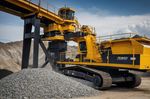
Construction companies use crushers and screening equipment to process concrete, bricks, asphalt, and other demolition materials.
Packaging manufacturers use paper and plastic recycling systems to recover materials from manufacturing operations.
Electronic waste processors use specialized equipment to separate metals, plastics, circuit boards, and other electronic components.
Municipal waste processing facilities use sorting and separation systems to organize recyclable household and commercial materials.
Problems Addressed by Recycling Machinery
Industrial recycling equipment addresses several practical challenges.
First, mixed waste contains materials with different physical and chemical characteristics. Manual separation can require considerable time and labor, while automated sorting systems help identify and separate selected material categories.
Second, bulky materials occupy significant storage and transportation space. Industrial shredders, crushers, and balers reduce material dimensions or compress recyclable waste into manageable forms.
Third, contaminated materials may require cleaning before further processing. Washing systems, screening machines, and specialized separation equipment help remove unwanted substances.
These processes support organized material recovery and help industries manage waste streams more systematically.
Recent Updates in Industrial Recycling Equipment
Modern recycling technology is increasingly focused on automation, intelligent sorting, energy management, and improved material identification. Recent industry developments reflect the growing need to process complex waste streams while maintaining consistent output quality.
AI-Based Sorting Technology
Artificial intelligence and machine vision are becoming increasingly relevant in automated recycling facilities. Optical cameras, sensors, and machine learning systems can identify selected materials according to their appearance, shape, color, and other detectable characteristics.
These systems help distinguish different plastic types, metals, paper products, and other recyclable materials. Automated sorting can also improve consistency when processing large quantities of mixed waste.
Advanced Sensor-Based Separation
Sensor-based sorting equipment uses technologies such as near-infrared detection, optical recognition, electromagnetic identification, and X-ray transmission.
Different sensors are suitable for different material categories. For example, magnetic separators identify ferrous metals, while eddy current separators help separate certain non-ferrous metals from other materials.
Robotic Recycling Systems
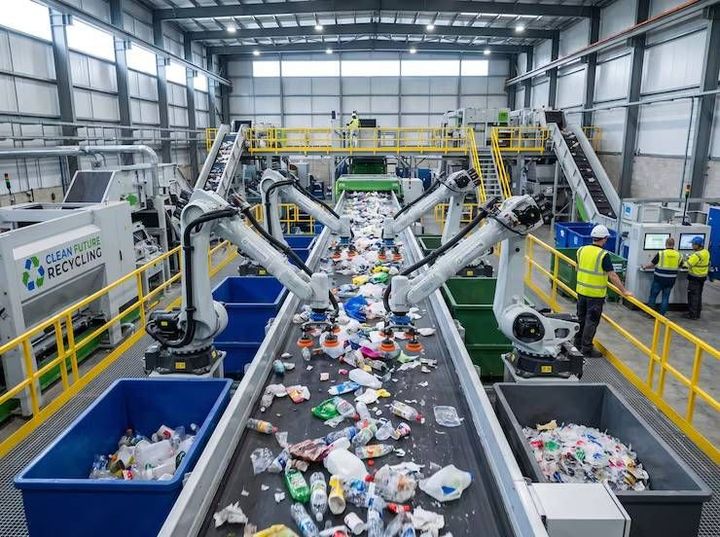
Robotic systems are increasingly being integrated into recycling facilities. Equipped with cameras, sensors, and programmed gripping mechanisms, robots can identify and pick selected objects from conveyor belts.
These systems are particularly relevant to facilities handling mixed packaging, electronic waste, and complex material streams.
Energy-Efficient Processing Equipment
Equipment manufacturers are developing systems that focus on efficient motor operation, improved cutting mechanisms, variable-speed drives, and optimized material handling.
Such developments are intended to manage electricity consumption while maintaining suitable processing performance. Energy requirements still depend on material type, machine configuration, operating conditions, and processing capacity.
Digital Monitoring and Predictive Maintenance
Industrial recycling facilities are also adopting digital monitoring platforms. These systems collect operating information such as motor temperature, vibration, equipment utilization, and production output.
Predictive maintenance technology uses operating data to identify unusual machine behavior and potential equipment problems. This approach helps facility operators plan inspections and maintenance activities.
Laws or Policies Affecting Industrial Recycling
Industrial recycling equipment is influenced by environmental regulations, waste management policies, occupational safety requirements, and resource recovery programs. Specific legal requirements vary between countries and depend on the type of material being processed.
In many regions, environmental authorities establish guidelines for industrial waste collection, transportation, treatment, recycling, and disposal. Facilities may need appropriate operating approvals, waste documentation, pollution controls, and reporting procedures.
Extended Producer Responsibility
Extended Producer Responsibility, commonly called EPR, is a policy approach that assigns manufacturers or importers certain responsibilities for products and packaging after consumer use.
EPR frameworks commonly cover packaging, electronic equipment, batteries, and other designated product categories. They encourage organized collection, recycling, and recovery systems.
Electronic Waste Regulations
Electronic waste contains materials such as copper, aluminum, plastics, glass, and certain specialized components. Regulations in many jurisdictions establish requirements for collecting, handling, dismantling, and processing discarded electronic equipment.
Specialized electronic waste recycling systems must consider hazardous components and appropriate material separation procedures.
Plastic Waste Management
Plastic recycling policies generally focus on reducing uncontrolled disposal, improving collection systems, and increasing material recovery. Certain jurisdictions also establish packaging requirements, recycling targets, or producer responsibility obligations.
Industrial plastic recycling facilities may use shredders, washing lines, density separators, and pelletizing systems to process suitable plastic materials.
Workplace and Environmental Safety
Industrial recycling operations must also consider worker protection, machine guarding, electrical safety, dust control, noise management, and fire prevention.
Facilities handling batteries, electronic waste, chemicals, or combustible materials may require additional controls. Applicable standards and legal obligations should be checked with the relevant environmental and workplace authorities.
Tools and Resources for Industrial Recycling Processes
Different tools and digital resources help recycling facilities understand material characteristics, estimate processing requirements, and monitor equipment performance.
Industrial Recycling Equipment Categories
| Equipment Type | Primary Function | Common Applications |
|---|---|---|
| Industrial Shredders | Reduce material dimensions | Plastic, metal, electronic waste |
| Industrial Crushers | Break large solid materials | Concrete, glass, minerals |
| Magnetic Separators | Extract ferrous metals | Mixed industrial waste |
| Eddy Current Separators | Separate certain non-ferrous metals | Aluminum and mixed materials |
| Granulators | Produce smaller material particles | Plastic and rubber |
| Washing Systems | Remove dirt and contaminants | Plastic recycling |
| Industrial Balers | Compress recyclable materials | Paper, cardboard, plastics |
| Screening Machines | Separate materials by particle size | Construction and mineral waste |
| Conveyor Systems | Transport materials between stages | Recycling production lines |
| Pelletizing Systems | Convert processed plastics into pellets | Plastic manufacturing |
Material Identification and Processing Tools
Material identification tools help operators determine the composition and suitability of recyclable waste. These may include moisture analyzers, density testing equipment, handheld metal identification devices, and laboratory material analysis systems.
Such tools help determine whether materials require additional separation, cleaning, or specialized treatment before entering another processing stage.
Recycling Capacity Calculators
Recycling capacity calculators help estimate the quantity of material a facility can process during a specific operating period. Common input parameters include machine throughput, operating hours, material density, and equipment availability.
A basic calculation is:
Daily Processing Capacity = Hourly Processing Rate × Operating Hours
For example, a machine processing 2,000 kilograms per hour over an eight-hour operating period has a theoretical daily capacity of 16,000 kilograms. Actual output may be lower because of downtime, material variation, maintenance, and processing interruptions.
Digital Monitoring Platforms
Industrial monitoring platforms provide information about machine operation, production levels, energy consumption, and maintenance requirements. Facility operators can use these records to identify operational changes and evaluate equipment performance.
Other useful resources include environmental authority publications, industrial equipment manuals, recycling material specifications, waste classification guides, and equipment maintenance templates.
Understanding the Industrial Recycling Process
Most industrial recycling operations follow a series of connected stages.
Collection: Waste materials are collected from industrial production, commercial activities, or designated recycling facilities.
Initial inspection: Materials are examined to identify contamination and determine suitable processing methods.
Sorting: Manual, mechanical, optical, or sensor-based systems separate different material categories.
Size reduction: Shredders, crushers, and granulators reduce materials into smaller pieces.
Cleaning and separation: Washing systems and separation equipment remove unwanted substances.
Material recovery: Suitable recovered materials are prepared for storage, transportation, or additional processing.
Reprocessing: Materials may enter manufacturing processes as secondary raw materials.
Not every facility follows an identical sequence. Plastic, metal, paper, glass, construction waste, and electronic waste require different processing arrangements.
FAQs About Industrial Recycling Equipment
What Is Industrial Recycling Equipment?
Industrial recycling equipment refers to machinery used to collect, sort, separate, reduce, clean, and process discarded materials. Common examples include shredders, crushers, magnetic separators, granulators, balers, and washing systems.
How Does Industrial Recycling Machinery Work?
Industrial recycling machinery processes waste through several stages, including collection, sorting, size reduction, separation, cleaning, and material recovery. The exact process depends on the composition and condition of the incoming materials.
What Are the Main Types of Industrial Recycling Machines?
Major categories include industrial shredders, plastic granulators, metal crushers, magnetic separators, eddy current separators, screening machines, washing systems, and industrial balers. Each category performs a different processing function.
How Is AI Used in Modern Recycling Technology?
AI technology supports material recognition, automated sorting, robotic picking, and equipment monitoring. Machine vision and sensor data help identify selected materials and improve the organization of recycling operations.
What Factors Affect Industrial Recycling Equipment Selection?
Important considerations include material composition, contamination levels, required processing capacity, output specifications, available facility space, energy requirements, maintenance needs, and applicable environmental regulations.
Conclusion
Industrial recycling equipment supports the recovery and processing of materials generated by manufacturing, construction, packaging, and other industrial activities. Modern recycling technology increasingly combines automation, sensor-based separation, robotics, and digital monitoring to improve material handling. Equipment selection and processing methods depend on the type of waste, facility requirements, and applicable environmental policies. Organized recycling processes remain an important part of industrial resource management and waste reduction.