CNC Tube Cutting Machines Overview With Automated Cutting Technology and Engineering Information
CNC Tube Cutting Machines are automated manufacturing systems designed to cut tubes, pipes, and hollow metal profiles into precise lengths and shapes. CNC means computer numerical control, which allows programmed instructions to control cutting movements, positioning, speed, and other operating parameters.
Traditional tube cutting often depended on manual measuring, mechanical stops, saws, or other manually controlled equipment. These methods can work for basic applications, but repeated production can become difficult when many components require different lengths, angles, holes, or profiles. CNC tube cutting technology developed to address these challenges by combining computerized control with mechanical cutting equipment.
A typical CNC tube cutting machine includes a material loading area, tube positioning mechanism, cutting head or tool, support system, control unit, and software interface. Depending on the machine configuration, cutting can be performed using laser, saw blades, plasma, or other technologies.
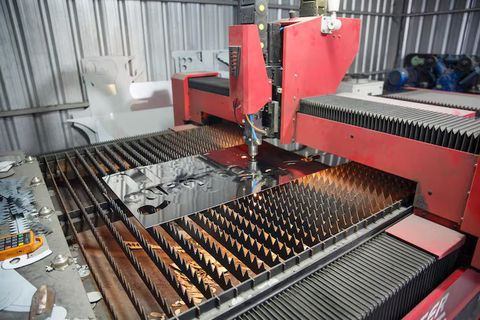
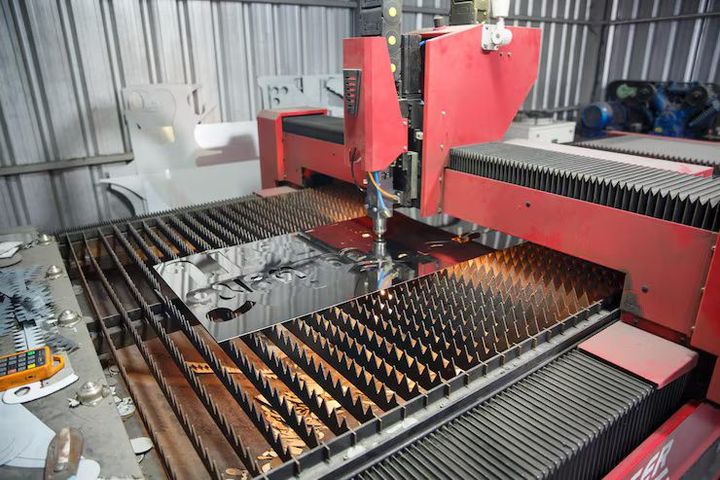
Laser-based systems have become particularly important for automated tube processing. A CNC tube laser cutting machine can use a focused laser beam to process round tubes, square tubes, rectangular profiles, and selected structural sections. Software can translate a digital drawing into machine movements, reducing the need for repeated manual measurements.
The development of CNC tube cutting machines is closely connected with the broader evolution of computer-controlled manufacturing. As digital design software, sensors, motion-control systems, and industrial automation have improved, tube processing equipment has become increasingly integrated into production environments.
Main Components
Several components work together to complete the cutting process:
- CNC controller: Interprets programmed instructions and coordinates machine movements.
- Cutting system: Performs the physical separation or shaping of the tube.
- Chuck or clamping mechanism: Holds the material securely during processing.
- Linear or rotary motion system: Moves the cutting head or material according to programmed instructions.
- Sensors: Detect material position and support process monitoring.
- Software: Converts technical drawings and dimensions into machine instructions.
- Support equipment: Helps stabilize long tubes and move processed components.
The exact configuration depends on the material, tube dimensions, cutting method, production requirements, and machine design.
Importance
CNC Tube Cutting Machines matter because tube and profile components are used across many industries. Construction equipment, transportation systems, furniture, agricultural machinery, industrial frameworks, energy equipment, and general fabrication can all require accurately prepared tubular components.
One important advantage of automated cutting is dimensional consistency. When the same programmed specifications are used repeatedly, the machine can follow a defined cutting sequence rather than relying on an operator to measure every individual component.
Production Challenges
Tube processing can involve several practical challenges. Tubes may have different diameters, wall thicknesses, shapes, and material characteristics. Some projects also require multiple cuts along one component, angled ends, slots, holes, or other features.
CNC technology can coordinate these operations through programmed movements. This can reduce the number of separate manual operations required for certain production workflows.
Material handling is another important consideration. Long tubes can be difficult to position accurately, particularly when they need to remain stable during cutting. Automated support structures and clamping systems are therefore important parts of many CNC tube cutting machines.
Applications Across Industries
CNC tube cutting equipment can be found in different manufacturing environments.
- Automotive components: Tubular structures, brackets, frames, and structural parts.
- Construction equipment: Frameworks, supports, rails, and fabricated sections.
- Furniture manufacturing: Metal frames, legs, supports, and decorative profiles.
- Industrial machinery: Machine frames, guards, brackets, and structural assemblies.
- Agricultural equipment: Structural tubes, supports, frames, and equipment components.
- Energy infrastructure: Selected tubular structures and fabricated metal sections.
- General fabrication: Custom profiles and components requiring repeated dimensions.
The technology is also useful for organizations transitioning from manual fabrication toward digitally controlled production.
Example Processing Parameters
The appropriate settings vary significantly according to material and equipment. The following table illustrates common factors that engineers consider rather than providing universal machine settings.
| Processing Factor | Typical Consideration | Why It Matters |
|---|---|---|
| Tube material | Steel, stainless steel, aluminum, and other alloys | Influences cutting behavior |
| Tube shape | Round, square, rectangular, or special profile | Determines positioning method |
| Wall thickness | Thin to heavy sections | Affects cutting requirements |
| Tube diameter | Depends on machine capacity | Determines workholding compatibility |
| Cutting method | Laser, saw, plasma, or other process | Influences edge characteristics |
| Accuracy requirement | Defined by component design | Determines positioning and inspection needs |
| Production quantity | Low, medium, or repeated production | Influences automation requirements |
These factors normally need to be considered together instead of evaluating a machine based on one specification.
Recent Updates
From 2024 through 2026, the development of CNC tube cutting machines has continued toward greater automation, digital integration, and process monitoring. Modern systems increasingly combine machine controls with production software, sensors, automated material handling, and digital design workflows.
Automation and Digital Integration
One notable trend is the movement toward connected manufacturing. CNC tube cutting machines can increasingly operate as part of a wider production system in which digital drawings, production instructions, material information, and machine data are connected.
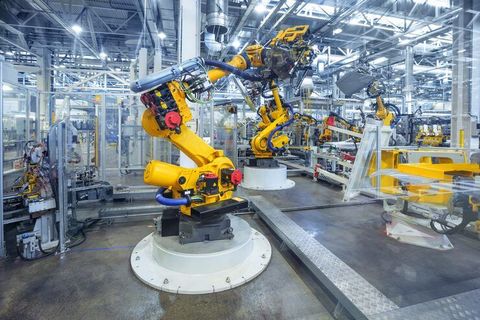
Automated loading and unloading systems can reduce manual material movement. Some configurations use robotic handling equipment to transfer tubes between storage, cutting, and downstream processing stages.
Tube Laser Cutting Technology
Tube laser cutting has also developed through improvements in cutting heads, motion systems, software, and machine control. Modern tube laser systems can process multiple sides of a profile and create programmed holes, slots, and contours without requiring separate manual marking operations.
Software development is another significant area. CAD and CAM integration allows digital component designs to be converted into machine instructions. Nesting software can arrange components along available material to help manage material utilization.
Sensors and Process Monitoring
Sensors are increasingly used to identify material position, monitor machine conditions, and support automated setup procedures. These systems can help machines respond to defined process conditions and reduce setup variation.
Artificial intelligence and machine-learning concepts are also being explored in manufacturing for inspection, predictive maintenance, process monitoring, and production analysis. Their practical use varies between equipment manufacturers and industrial environments.
Energy and Manufacturing Efficiency
Modern machine development also considers electrical efficiency, standby operation, motion control, and optimized cutting parameters. The actual energy performance of a CNC tube cutting machine depends on its cutting technology, operating conditions, material, production schedule, and machine configuration.
Laws or Policies
CNC tube cutting machines are influenced by workplace safety rules, machinery requirements, electrical standards, environmental regulations, and occupational health requirements. The exact requirements vary according to the country, industry, machine type, and installation environment.
Machinery Safety
Manufacturing equipment generally needs safeguards that reduce exposure to moving components, cutting areas, electrical hazards, and other foreseeable risks. Enclosures, interlocks, emergency stopping systems, warning indicators, and protective procedures may form part of a machine's safety design.
Operators may also need appropriate training before using CNC tube cutting equipment. Safety procedures commonly address machine setup, material loading, tool or cutting-head inspection, emergency procedures, and routine maintenance.
Electrical and Installation Requirements
Electrical installation requirements can apply to the machine, control cabinet, grounding arrangements, power supply, and surrounding production environment. Industrial facilities may also have requirements concerning ventilation, lighting, noise, fire prevention, and material handling.
Environmental Considerations
Cutting processes can produce metal particles, fumes, heat, noise, or other by-products depending on the technology being used. Appropriate extraction, filtration, waste handling, and workplace controls may therefore be necessary.
Because regulations differ between jurisdictions, organizations generally need to consult the machinery and workplace rules applicable to their location and industry.
Tools and Resources
Several digital and physical resources can help people understand CNC tube cutting technology and plan manufacturing processes.
CAD and CAM Software
CAD software is commonly used to create tube components and engineering drawings. CAM software can then convert design information into cutting instructions and machine toolpaths.
These platforms can help users define:
- Tube dimensions
- Hole and slot positions
- Cutting angles
- Profile geometry
- Part quantities
- Material information
- Toolpath sequences
CNC Programming Resources
CNC programming references can help users understand coordinate systems, machine movements, cutting parameters, work offsets, and program structures. Machine-specific documentation is important because CNC controllers and software interfaces can differ.
Measurement and Inspection Tools
Inspection equipment can include calipers, micrometers, gauges, coordinate measuring systems, optical measurement equipment, and other dimensional inspection tools. The appropriate method depends on the required tolerance and component geometry.
Digital Production Planning
Production planning platforms can help organize digital drawings, material information, production instructions, and quality records. In connected manufacturing environments, these systems may communicate with machine-control platforms and enterprise production software.
Technical Documentation
Machine manuals, engineering drawings, material specifications, cutting-tool documentation, and safety documentation are important resources when working with CNC tube cutting equipment. They provide information that is specific to the machine and material rather than relying only on general guidelines.
FAQs
What are CNC Tube Cutting Machines?
CNC Tube Cutting Machines are computer-controlled systems used to cut tubes and hollow profiles according to programmed dimensions. Depending on the equipment, they may use laser, saw, plasma, or other cutting technologies.
How does a CNC tube laser cutting machine work?
A CNC tube laser cutting machine uses a focused laser beam to process a tube while computerized motion controls position the cutting head and material. Software defines the cutting path based on the programmed component design.
What materials can CNC Tube Cutting Machines process?
Many machines are designed for materials such as carbon steel, stainless steel, and aluminum. The suitable material range depends on the cutting technology, machine configuration, material thickness, and manufacturer specifications.
Are CNC Tube Cutting Machines fully automated?
Automation levels vary. Some systems provide automated loading, unloading, tube positioning, cutting, and part handling, while other machines require operators to perform selected setup and material-handling tasks.
What factors affect CNC tube cutting accuracy?
Accuracy can be influenced by machine construction, calibration, material stability, tube dimensions, cutting technology, programming, clamping, thermal effects, and inspection procedures. Proper setup is important for maintaining the dimensions specified by an engineering design.
Conclusion
CNC Tube Cutting Machines combine computerized control, material handling, cutting technology, and digital design to process tubular components with repeatable programmed movements. Developments from 2024 through 2026 have continued toward greater automation, software integration, sensor use, and connected manufacturing. Their applications span fabrication, transportation, construction equipment, machinery, furniture, agriculture, and other industrial areas. Safety requirements, material characteristics, machine specifications, and inspection practices remain important considerations when evaluating tube-cutting processes.