Factory Digital Twin Systems Guide With Virtual Factory Models and Manufacturing Insights
Factory digital twin systems are digital representations of physical factories, production lines, machines, equipment, and operational processes. A digital twin connects information from the physical environment with a virtual factory model, allowing people to observe how equipment and production processes behave without relying only on direct physical inspection.
The concept comes from the wider development of computer-aided engineering, industrial automation, simulation, and data analysis. As factories became increasingly connected through sensors and industrial networks, manufacturers gained access to continuous information about machines and production activities. Digital twin technology developed from the idea of combining this information with detailed virtual models.
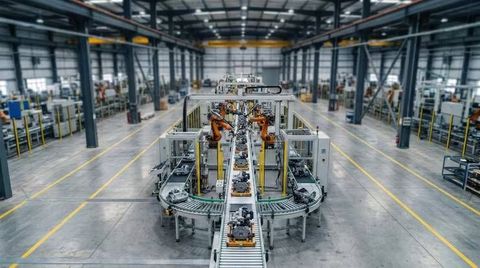
A factory digital twin can represent an entire facility or a smaller part of production. It may include machines, conveyors, robots, storage areas, energy systems, production schedules, environmental conditions, and material movement. Depending on its design, the model can display current conditions, historical information, or simulated future scenarios.
How a Factory Digital Twin Works
A typical system connects physical equipment with digital models through sensors, industrial controllers, databases, and software platforms. Data can include temperature, vibration, machine status, production quantities, energy consumption, operating speed, and equipment conditions.
The information is transferred to a digital environment where it can be organized and analyzed. The virtual factory model then provides a visual representation of the physical facility and its activities.
Some systems also use artificial intelligence, machine learning, simulation, or predictive analytics. These technologies can help identify patterns and compare expected operating conditions with actual factory data.
Main Components
A factory digital twin generally contains several connected elements:
- Physical factory equipment
- Sensors and industrial data sources
- Communication networks
- Digital models of machines and processes
- Data storage and analytics systems
- Simulation software
- Visualization dashboards
- Automation and control interfaces
The level of detail depends on the purpose of the digital twin. A machine-level model may focus on one piece of equipment, while a complete factory model can represent production flow across multiple departments.
Importance
Factory digital twin systems matter because modern manufacturing environments contain many interconnected processes. A change in one machine can influence production speed, material movement, energy use, quality checks, and downstream operations.
A virtual factory model provides a way to study these relationships in a digital environment. Instead of relying entirely on physical trials, engineers and operations teams can use simulations to examine different production scenarios before making changes to the physical facility.
Problems Addressed by Digital Twins
Digital twins can support several common manufacturing challenges. These include:
- Unexpected equipment interruptions
- Production bottlenecks
- Inefficient material movement
- Difficult production planning
- Energy monitoring challenges
- Limited visibility across production areas
- Complex equipment maintenance planning
- Difficulty testing factory modifications
For example, a virtual factory model can represent the movement of materials between workstations. If a particular production area creates congestion, the model can help users examine alternative layouts or process sequences.
Who Uses Factory Digital Twin Systems
These systems can involve different groups within an industrial organization. Engineers may use them for equipment and process modeling, while production planners can examine manufacturing capacity and workflow.
Maintenance teams can study equipment conditions and historical operating information. Facility managers may use digital models to understand energy systems, building infrastructure, and equipment utilization.
Training teams can also use virtual environments to explain production processes without requiring learners to interact directly with operating machinery.
Factory Digital Twin Benefits
The value of a digital twin depends on the quality of its data and model. Common areas of potential value include improved visibility, scenario analysis, process understanding, equipment monitoring, and production planning.
However, a digital twin does not automatically improve factory performance. Accurate sensors, reliable data connections, appropriate models, and suitable interpretation are important for meaningful results.
Recent Updates
Digital twin technology has developed alongside industrial Internet of Things systems, cloud computing, artificial intelligence, robotics, and advanced simulation. From 2024 through 2026, the broader direction has been toward more connected and data-rich industrial environments.
Greater Integration With Artificial Intelligence
Artificial intelligence and machine learning are increasingly being integrated with industrial digital twins. These technologies can analyze large amounts of operational information and identify patterns that may be difficult to recognize through manual observation.
For example, a system may compare historical machine behavior with current measurements. The resulting analysis can help identify unusual operating patterns and support maintenance planning.
More Detailed Virtual Factory Models
Modern modeling approaches can represent more aspects of a factory than earlier simulation systems. A virtual factory model may combine equipment geometry, production data, process rules, worker movement, material flow, and environmental information.
This creates a broader digital representation of the production environment. Some systems can also connect factory models with building information, energy monitoring, and logistics data.
Cloud and Edge Computing
Cloud platforms can support centralized storage and analysis of industrial data, while edge computing allows some processing to occur closer to machines and sensors.
This combination can be useful when factories need rapid access to operational information while also maintaining larger historical datasets for analysis and simulation.
Greater Focus on Interoperability
As factories use equipment from multiple manufacturers and software systems, data interoperability has become increasingly important. Common data structures, industrial communication standards, and digital modeling frameworks can help different systems exchange information.
Interoperability reduces the need to isolate each digital model within a separate software environment.
Laws or Policies
Factory digital twin systems are influenced by several categories of rules rather than one universal digital twin law. Requirements vary according to the country, industrial sector, type of data, and physical equipment involved.
Industrial Safety Requirements
Digital models do not replace physical safety procedures. Machinery, robotics, electrical equipment, pressure systems, and other industrial assets remain subject to applicable workplace and equipment safety requirements.
A virtual simulation can support planning and analysis, but physical equipment must still be designed, installed, operated, and maintained according to relevant safety requirements.
Data Protection and Cybersecurity
Connected factories can generate substantial amounts of operational data. When digital systems contain information related to employees, suppliers, customers, or identifiable individuals, applicable data protection requirements may become relevant.
Cybersecurity is also important because digital twins can connect to industrial networks. Access controls, authentication, network segmentation, secure software practices, monitoring, and appropriate data governance can reduce exposure to unauthorized access.
Industrial Cybersecurity Frameworks
Organizations may use recognized cybersecurity frameworks and industrial security standards when designing connected factory environments. These frameworks commonly address areas such as system identification, access control, monitoring, incident response, and recovery.
The applicable requirements depend on the location, industry, infrastructure classification, and systems involved. Organizations should therefore assess the rules that apply to their particular environment.
Tools and Resources
Several types of software and technical resources can support factory digital twin development. The appropriate combination depends on the factory's size, equipment, data architecture, and modeling requirements.
Modeling and Simulation Tools
3D modeling software can represent factory layouts, machines, production areas, and material movement. Simulation platforms can then use these models to examine production sequences, capacity, logistics, and operational scenarios.
Industrial IoT Platforms
Industrial IoT platforms collect information from connected equipment and organize it for monitoring and analysis. These platforms may connect sensors, programmable controllers, databases, dashboards, and analytics applications.
Data Visualization Tools
Dashboards can present machine status, production quantities, energy information, equipment conditions, and other operational indicators. Clear visualization helps users understand complex information without examining raw data manually.
Planning Templates
Factory modeling projects can also use structured templates for:
- Asset inventories
- Sensor mapping
- Data dictionaries
- Production-flow diagrams
- Equipment relationships
- Maintenance records
- Cybersecurity assessments
- Digital twin implementation plans
A structured approach helps maintain consistency between physical assets and their corresponding digital representations.
Example Digital Twin Data
| Factory Area | Example Data | Possible Digital Twin Use |
|---|---|---|
| Production machines | Speed, temperature, status | Equipment monitoring |
| Robotics | Movement, cycle information | Process simulation |
| Conveyors | Flow rate, operating status | Material-flow analysis |
| Energy systems | Power consumption | Energy analysis |
| Warehouse | Inventory movement | Logistics modeling |
| Quality systems | Inspection results | Process analysis |
| Facility systems | Environmental measurements | Building monitoring |
The usefulness of these resources depends on data quality, system integration, model accuracy, and the specific objectives of the factory.
FAQs
What is a factory digital twin?
A factory digital twin is a digital representation of a physical factory, production line, machine, or manufacturing process. It can combine real-world operational data with models, simulations, and analytics.
How does a virtual factory model work?
A virtual factory model represents physical equipment, production areas, processes, and material movement in a digital environment. Data from sensors and industrial systems can be connected to the model to represent operating conditions.
What are factory digital twin systems used for?
Factory digital twin systems can be used for production planning, process simulation, equipment monitoring, layout analysis, energy analysis, maintenance planning, and operational studies.
Can a digital twin predict machine problems?
A digital twin can analyze equipment information and identify patterns associated with unusual operating conditions. Predictive capabilities depend on sensor quality, historical data, analytical methods, and the accuracy of the underlying model.
Are virtual factory models only for large manufacturers?
No. A virtual factory model can represent a single machine, production cell, production line, or complete facility. The appropriate scope depends on the operational purpose, available data, and complexity of the manufacturing environment.
Conclusion
Factory digital twin systems combine physical manufacturing environments with digital models, operational data, simulation, and analytics. A virtual factory model can help users understand production flow, equipment behavior, facility conditions, and potential operational scenarios. Recent developments have increased integration with artificial intelligence, industrial IoT, cloud computing, edge processing, and interconnected manufacturing systems. Effective implementation depends on accurate data, suitable modeling methods, system integration, cybersecurity, and compliance with applicable industrial requirements.