Learn How Heavy Duty Machinery Supports Modern Construction and Manufacturing
Heavy duty machinery plays an important role in modern construction and manufacturing by helping people move materials, shape components, prepare land, and complete demanding industrial tasks.
Heavy duty machinery includes large equipment designed to handle substantial loads, repeated operations, and challenging working conditions. Examples include excavators, bulldozers, cranes, loaders, industrial presses, and material handling systems.
The development of heavy equipment is closely connected to the growth of infrastructure, transportation, factories, and large-scale production. Earlier construction activities depended heavily on manual labor, animal-powered transportation, and basic mechanical tools. As engineering methods advanced, steam-powered machines, diesel engines, hydraulic systems, and electric motors expanded the range of tasks that equipment could perform.
Today, heavy duty machinery combines mechanical engineering, electronic controls, sensors, and automated operating systems. These technologies help coordinate activities across construction sites, manufacturing facilities, warehouses, and industrial plants. Equipment selection depends on the type of material, operating environment, required capacity, and nature of the task.
Types of Heavy Duty Machinery
Different machines perform different functions, depending on the requirements of a project or production process.
Earthmoving equipment: Excavators, bulldozers, and loaders move soil, clear land, and prepare foundations.
Lifting equipment: Cranes, hoists, and industrial lifting systems move heavy components vertically or horizontally.
Road construction machinery: Asphalt pavers, graders, and compactors support road preparation and surface construction.
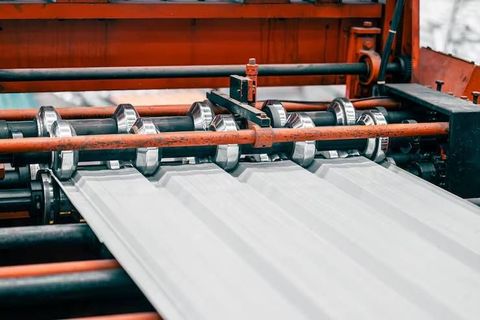
Manufacturing machinery: Hydraulic presses, industrial cutting systems, and large machine tools shape or process raw materials.
Material handling equipment: Forklifts, conveyors, and automated transport systems move products between production stages.
Each category has a specific operating purpose. Using suitable equipment helps reduce unnecessary handling, maintain consistent workflows, and support the physical requirements of demanding industrial activities.
How Heavy Equipment Operates
Heavy machinery converts energy into mechanical movement. Diesel engines, electric motors, hydraulic pumps, and pneumatic systems provide power for different operations. Hydraulic systems, for example, use pressurized fluid to move cylinders and operate attachments such as excavator arms, lifting platforms, and industrial presses.
Electronic controls help operators manage movement, speed, pressure, and operating sequences. Sensors can monitor factors such as engine temperature, load conditions, vibration, and fluid pressure. These features support equipment monitoring and help identify operating conditions that may require attention.
Importance
Heavy duty machinery matters because construction and manufacturing frequently involve materials and tasks that are difficult to manage using manual methods alone. Large infrastructure projects require earth removal, lifting, grading, and material transportation. Factories need equipment that can process metal, concrete products, machinery components, and other materials according to defined specifications.
For everyday people, the effects of heavy equipment can be seen in roads, bridges, buildings, public transportation systems, industrial products, and distribution networks. Equipment also influences how materials move through supply chains and how manufacturing facilities organize production.
Supporting Construction Projects
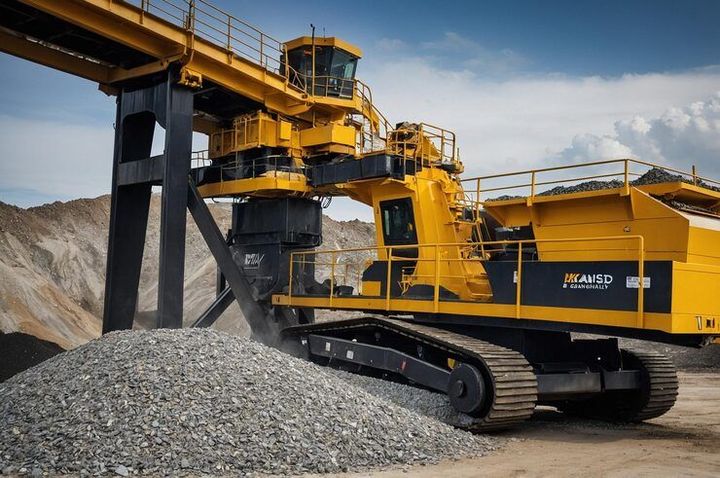
Construction machinery helps prepare sites, excavate foundations, lift structural components, and transport construction materials. Excavators can remove soil from restricted areas, while bulldozers push material across larger surfaces. Cranes support the placement of steel beams, prefabricated sections, and other heavy components.
Compactors and graders help prepare surfaces for roads and building foundations. When equipment is matched to the site conditions, construction teams can coordinate activities more effectively and reduce unnecessary movement between work areas.
Improving Manufacturing Processes
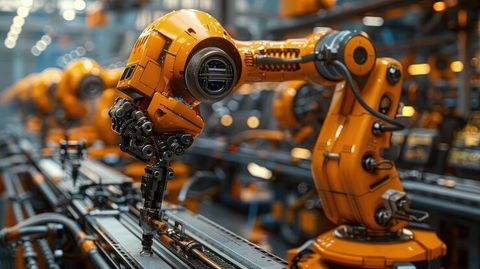
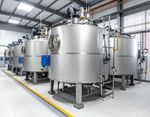
In manufacturing, heavy duty machinery supports material preparation, component shaping, assembly, and movement between production stages. Industrial presses apply controlled force to shape materials, while cutting machines produce components according to specified dimensions.
Automated conveyors and robotic handling systems can transfer materials between workstations. This arrangement helps organize production sequences and reduce repeated manual handling. Consistency still depends on machine calibration, material quality, operating procedures, and regular inspection.
Addressing Common Operational Challenges
Heavy machinery can help address several practical challenges:
Handling heavy loads that exceed the safe capacity of manual methods.
Moving large quantities of soil, aggregate, metal, or manufactured goods.
Maintaining repeatable production processes.
Reaching elevated construction areas or working below ground level.
Coordinating material movement across large facilities.
Reducing unnecessary equipment movement through better site planning.
However, heavy equipment also introduces challenges involving fuel or electricity use, noise, emissions, maintenance, and workplace safety. Effective planning must consider these factors alongside productivity and operating requirements.
Comparing Common Machinery Types
The following table summarizes typical applications and important operating considerations.
Machinery type | Main application | Important consideration |
|---|---|---|
Excavator | Digging and earth removal | Digging depth and ground conditions |
Bulldozer | Land clearing and material pushing | Blade capacity and terrain |
Mobile crane | Lifting structural components | Load limits and ground stability |
Hydraulic press | Forming and compressing materials | Force capacity and guarding |
Industrial conveyor | Moving materials between stages | Load limits and belt alignment |
Road roller | Compacting soil or asphalt | Surface conditions and compaction needs |
These categories are not interchangeable. The appropriate machine depends on the task, material properties, available working space, and operating environment.
Recent Updates
Current developments in heavy duty machinery emphasize automation, energy efficiency, digital monitoring, and improved operator awareness. Construction companies and manufacturers are increasingly evaluating technologies that help monitor equipment condition, organize work, and reduce avoidable downtime.
Automation and Intelligent Controls
Modern machinery increasingly incorporates electronic control units, positioning systems, cameras, and sensors. Some construction equipment supports automated grading, assisted excavation, or machine guidance based on digital site plans.
Manufacturing equipment also uses programmable controls to coordinate repeated movements and maintain production settings. The level of automation varies considerably, and many systems still require trained operators to supervise activities and respond to changing conditions.
Connected Equipment and Predictive Maintenance
Connected machinery can transmit information about engine performance, operating hours, temperature, vibration, and component condition. Fleet management platforms organize this information so operators and maintenance teams can review equipment status.
Predictive maintenance uses operating data to estimate when a component may require inspection or replacement. It can help identify developing problems, although the quality of the results depends on sensor accuracy, data interpretation, and maintenance practices.
Electrification and Energy Efficiency
Electric construction equipment and battery-powered industrial machines are becoming more visible in applications where charging arrangements and operating requirements permit their use. Electric motors can reduce direct exhaust emissions at the point of operation, although overall environmental effects depend on electricity generation, battery production, and equipment use.
Hybrid systems, improved engine controls, energy-efficient motors, and idle-reduction technologies are also relevant developments. Diesel-powered equipment remains widely used where high power, extended operation, or limited charging infrastructure makes electrification difficult.
Digital Planning and Equipment Monitoring
Building information modeling (BIM), digital site plans, and equipment monitoring systems help coordinate machinery with other project activities. Manufacturers may use digital models to plan production layouts, evaluate machine settings, and identify potential workflow problems before physical operations begin.
Adoption differs across industries because of differences in infrastructure, workforce skills, equipment age, and implementation requirements.
Laws or Policies
Heavy duty machinery is affected by workplace safety rules, environmental requirements, equipment standards, and transportation regulations. The specific obligations depend on the country, machine category, workplace, and intended use.
Workplace Safety Requirements
Construction and manufacturing operations commonly require risk assessments, operator training, equipment inspections, and appropriate protective measures. Lifting equipment may need documented load limits, inspection records, and procedures for securing suspended loads.
Common safety practices include:
Keeping workers outside restricted operating zones.
Using machine guards and emergency stopping systems where required.
Inspecting lifting attachments, hydraulic lines, brakes, and safety controls.
Following manufacturer instructions and approved operating limits.
Providing suitable training for operators and maintenance personnel.
Specific certification and inspection requirements vary by jurisdiction and equipment type.
Environmental and Emissions Rules
Environmental policies may regulate exhaust emissions, fuel use, noise, waste fluids, and the handling of hazardous materials. Industrial facilities may also need permits or controls for air emissions, wastewater, and other environmental impacts.
Construction machinery operating on public roads may be subject to vehicle registration, roadworthiness, lighting, and transport requirements. Oversized equipment may require special arrangements for transportation between sites.
Because regulations differ internationally, businesses must consult the applicable local authorities and relevant technical standards when determining their obligations.
Tools and Resources
Several practical tools help organizations plan, operate, and maintain heavy duty machinery. Their usefulness depends on the equipment type, project requirements, and available technical information.
Equipment Selection and Planning Tools
Machine specification sheets provide details about operating weight, lifting capacity, engine power, digging depth, dimensions, and compatible attachments. Comparing these specifications helps determine whether equipment is suitable for a particular task.
Construction planning software can coordinate site layouts, equipment movement, material deliveries, and project schedules. BIM platforms can also help teams understand how machinery operations interact with buildings and infrastructure designs.
Maintenance and Monitoring Resources
Equipment maintenance software can organize inspection schedules, record repairs, monitor operating hours, and track component replacements. Telematics platforms provide operating data for compatible machines and can help identify unusual conditions.
Operator manuals remain important because they explain safe operating limits, inspection procedures, lubrication requirements, and recommended maintenance intervals. Maintenance records also help teams understand recurring equipment problems.
Useful Calculations
Basic calculations can support equipment planning, provided that actual machine specifications and site conditions are considered.
Planning measure | Basic method | Purpose |
|---|---|---|
Payload | Total loaded weight minus empty weight | Estimates material carried |
Productivity | Quantity completed divided by operating time | Measures output rate |
Fuel consumption rate | Fuel used divided by operating hours | Tracks energy use |
Equipment utilization | Operating hours divided by available hours × 100 | Measures equipment use |
Load comparison | Required load compared with rated capacity | Supports preliminary lifting assessment |
These calculations provide general planning information rather than a substitute for engineering assessments. Lifting operations, ground-bearing capacity, and machine stability require appropriate technical evaluation.
FAQs
What Is Heavy Duty Machinery Used For?
Heavy duty machinery is used for excavation, lifting, material transportation, construction, metal forming, and industrial production. Its primary purpose is to handle demanding tasks that require substantial power, capacity, or repeated mechanical operations.
How Does Heavy Duty Machinery Support Modern Manufacturing?
Heavy duty machinery supports manufacturing by processing raw materials, shaping components, moving products, and coordinating production stages. Automated controls and monitoring systems can improve consistency and help identify operating problems.
What Are the Main Types of Heavy Construction Equipment?
Common types include excavators, bulldozers, wheel loaders, cranes, graders, compactors, and concrete-processing equipment. Each machine serves a particular purpose based on site conditions, material requirements, and project specifications.
How Is Technology Changing Heavy Equipment?
Technology is introducing machine guidance, connected sensors, automated controls, electric power systems, and digital maintenance monitoring. These developments can improve operational awareness and support more organized equipment management.
What Safety Measures Are Important When Operating Heavy Machinery?
Important measures include operator training, routine inspections, load-limit compliance, machine guarding, suitable protective equipment, and controlled access to operating zones. Safe procedures must reflect the equipment manufacturer's instructions and applicable workplace regulations.
Conclusion
Heavy duty machinery supports modern construction and manufacturing through excavation, lifting, material processing, and coordinated production activities. Advances in automation, digital monitoring, and electrification are changing how equipment is operated and maintained. Equipment selection and performance depend on task requirements, operating conditions, maintenance practices, and applicable safety rules. Understanding these factors provides a clearer picture of the role machinery plays in infrastructure development and industrial production.