Predictive Maintenance Software Guide With Smart Manufacturing and Asset Management Solutions
Predictive maintenance software is a digital system that helps organizations monitor equipment conditions, identify unusual operating patterns, and estimate when maintenance may be needed.
It is increasingly used in smart manufacturing, industrial automation, asset management, energy production, transportation, and other environments where equipment reliability affects daily operations.
Traditional maintenance generally follows fixed schedules or begins after equipment stops working. Predictive maintenance software takes a different approach by analyzing information from machines, sensors, maintenance records, and operating systems. This information helps maintenance teams recognize possible warning signs before they develop into major equipment problems.
The concept developed alongside industrial monitoring, computer-based analysis, and condition-monitoring technologies. Earlier systems relied heavily on manual inspections and basic measurements. Modern platforms can combine connected sensors, historical equipment records, machine learning, and automated notifications to support more informed maintenance planning.
How Predictive Maintenance Software Works
Predictive maintenance software gathers information about equipment performance and examines it for changes that may indicate wear, overheating, imbalance, or other developing faults. Depending on the system, it may analyze vibration, temperature, pressure, electrical current, operating hours, and production conditions.
A typical process involves four stages:
Data collection: Sensors and connected equipment record operating conditions.
Data analysis: Software compares current readings with historical patterns and expected operating ranges.
Fault identification: Unusual readings or developing patterns are flagged for investigation.
Maintenance planning: Technicians review the findings, inspect equipment, and schedule appropriate work.
The accuracy of these findings depends on sensor quality, data availability, equipment characteristics, and the analytical methods used.
Predictive Maintenance and Other Maintenance Methods
Predictive maintenance is different from preventive and reactive maintenance. Each approach has a place in industrial asset management, depending on equipment importance, operating conditions, and the consequences of failure.
Preventive maintenance follows a planned schedule, such as inspecting a pump after a specified number of operating hours. Reactive maintenance takes place after a fault or breakdown occurs. Predictive maintenance uses equipment condition data to estimate when intervention may be appropriate.
Maintenance approach | Main basis | Typical purpose |
|---|---|---|
Reactive maintenance | Equipment failure | Restore operation after a breakdown |
Preventive maintenance | Time or usage schedule | Complete planned inspections and replacements |
Predictive maintenance | Equipment condition and data analysis | Identify developing faults before failure |
Prescriptive maintenance | Data analysis and recommended actions | Compare possible responses to an identified problem |
Prescriptive maintenance can extend predictive analysis by examining potential responses to an identified issue. However, its recommendations still require appropriate technical review, particularly when safety or production quality is involved.
Importance
Predictive maintenance software matters because industrial equipment supports many everyday activities, including food production, water distribution, manufacturing, logistics, building operations, and electricity generation. Equipment failures can interrupt these activities, delay deliveries, affect product quality, and create additional pressure on maintenance teams.
A machine that stops unexpectedly may also affect connected production stages. For example, a failed conveyor can interrupt packaging even when the packaging equipment itself remains operational. Early identification of a developing fault helps organizations understand these dependencies and plan maintenance around production requirements.
Problems Addressed by Predictive Maintenance
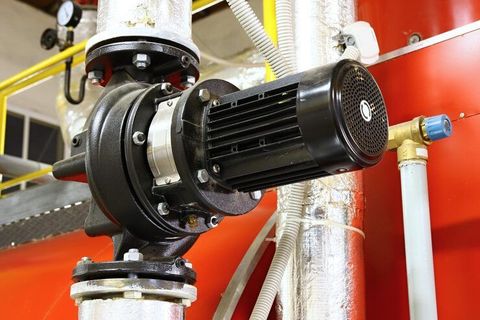
One important challenge is identifying faults that are difficult to detect through routine visual inspections. Bearings, motors, pumps, compressors, and rotating equipment can develop internal problems without immediately showing obvious external damage.
Predictive maintenance software can support several operational goals:
Equipment reliability: Identify abnormal operating patterns that require inspection.
Maintenance planning: Coordinate technician availability, replacement components, and production schedules.
Asset management: Maintain a clearer record of equipment condition, maintenance history, and operating performance.
Production continuity: Help teams investigate potential failures before they interrupt operations.
Energy monitoring: Identify unusual energy consumption that may indicate equipment inefficiency.
Workplace safety: Flag certain abnormal conditions that may require prompt assessment.
These benefits are not automatic. Poorly configured sensors, incomplete records, incorrect thresholds, and excessive alerts can reduce the usefulness of a predictive maintenance system.
Industries That Use Predictive Maintenance
Predictive maintenance applications vary according to the type of equipment and the consequences of failure.
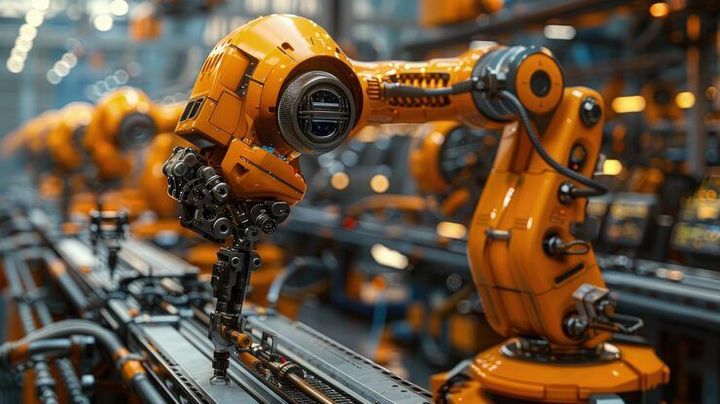
Manufacturing facilities use monitoring systems for motors, production lines, robotic equipment, and machine tools. Energy facilities may monitor turbines, generators, transformers, and pumps. Transportation operators can analyze the condition of vehicle components, while commercial buildings may use similar techniques for heating, ventilation, and air conditioning equipment.
Small facilities may begin with a few critical machines, whereas larger industrial operations may connect hundreds or thousands of assets to a centralized monitoring platform. The appropriate scale depends on operational priorities, data readiness, technical resources, and maintenance requirements.
Recent Updates
Developments across predictive maintenance software from 2024 through 2026 reflect wider adoption of artificial intelligence, industrial connectivity, and integrated asset management. The overall direction is toward combining equipment data with operational context instead of relying only on isolated sensor readings.
Artificial Intelligence and Machine Learning
Artificial intelligence and machine learning can help identify patterns in equipment data that may be difficult to recognize through simple threshold alerts. Systems can compare historical operating conditions with current measurements and identify combinations of changes associated with particular fault types.
However, a model trained on one machine or operating environment may not perform equally well on another. Changes in production loads, maintenance practices, sensor placement, and equipment age can affect analytical results. Human inspection and ongoing model evaluation remain important.
Connected Sensors and Industrial Internet of Things
The Industrial Internet of Things, commonly called IIoT, connects machines, sensors, and industrial software so that operating information can be collected and shared. Modern predictive maintenance platforms increasingly support connections with programmable logic controllers, industrial gateways, and manufacturing execution systems.
Some systems process data near the equipment through edge computing, reducing dependence on continuous communication with remote platforms. Others use cloud infrastructure for centralized analysis and access across multiple facilities. Hybrid arrangements combine local processing with broader data analysis.
Digital Twins and Integrated Asset Management
A digital twin is a digital representation of a physical asset or process. When connected to reliable operational data, it can help engineers examine equipment behavior under different conditions and understand possible maintenance scenarios.
Predictive maintenance software is also becoming more closely integrated with computerized maintenance management systems and enterprise asset management platforms. These connections can link an equipment alert with inspection records, maintenance schedules, component inventories, and work orders.
Current Technology Trends
Technology | Main function | Practical consideration |
|---|---|---|
AI-based analytics | Detect patterns associated with developing faults | Requires suitable training and validation data |
IIoT sensors | Collect operating measurements | Sensor placement affects data quality |
Edge computing | Analyze selected information near equipment | Requires compatible local hardware |
Cloud platforms | Centralize data and reporting | Connectivity and data security need attention |
Digital twins | Represent equipment behavior digitally | Models require suitable engineering information |
CMMS integration | Connect alerts with maintenance records | Data formats and workflows must be compatible |
These developments indicate a shift toward connected, data-informed maintenance. Their usefulness depends on how well the technology fits existing equipment, maintenance procedures, and operational objectives.
Laws or Policies
Predictive maintenance software is influenced by workplace safety rules, machinery requirements, environmental obligations, cybersecurity expectations, and data protection laws. The exact requirements depend on the country, industry, equipment type, and whether the system is used in a regulated environment.
Because this guide addresses a global audience, the following areas describe general considerations rather than the legal requirements of a particular country.
Equipment Safety and Workplace Requirements
Organizations remain responsible for maintaining equipment in a safe operating condition, even when predictive analytics are used. Monitoring software does not automatically replace required inspections, statutory examinations, protective devices, or manufacturer maintenance instructions.
Where machinery presents significant risks, organizations may need documented inspection procedures, maintenance records, risk assessments, and qualified personnel. An automated warning should support established safety procedures rather than override them.
Data Protection and Cybersecurity
Industrial monitoring systems may collect information about production output, equipment utilization, operating schedules, and facility performance. Organizations should determine who can access this information, how long it is retained, and how it is protected.
Relevant considerations include:
Access controls and user authentication.
Secure communication between equipment and software.
Software updates and vulnerability management.
Backup procedures and recovery planning.
Controls over third-party access and data sharing.
If a system collects personal information, applicable data protection requirements may also apply.
Environmental and Industry-Specific Requirements
Some facilities operate under environmental permits or industry-specific requirements that affect equipment inspection, emissions monitoring, or operational reporting. Predictive maintenance may help identify equipment conditions associated with leaks, inefficient operation, or abnormal emissions, but it does not by itself establish regulatory compliance.
Organizations must assess applicable requirements independently and maintain the records and inspections required for their operations.
Tools and Resources
Choosing predictive maintenance software involves understanding the available tools, the condition of existing equipment, and the quality of operational data. A platform should fit the maintenance process rather than introduce unnecessary complexity.
Common Software Categories
Computerized maintenance management systems, or CMMS platforms, organize maintenance schedules, work orders, asset records, and inspection histories. Enterprise asset management systems provide broader oversight of asset performance, maintenance activities, and asset lifecycles.
Condition-monitoring platforms focus on measurements such as vibration, temperature, pressure, and acoustic signals. Industrial analytics platforms combine these readings with operational data to identify abnormal behavior and estimate equipment degradation.
Some organizations use spreadsheets for initial asset inventories and maintenance-history reviews. More advanced operations may connect sensors, analytics software, and maintenance management systems through industrial communication protocols or application programming interfaces.
Evaluation Checklist
When reviewing predictive maintenance software, organizations commonly examine the following factors:
Equipment compatibility: Confirm support for existing machines, controllers, and sensors.
Data requirements: Identify the measurements and historical records needed for useful analysis.
Alert quality: Understand how the platform identifies faults and manages false alarms.
Integration: Check whether alerts can connect with existing maintenance workflows.
Reporting: Review whether reports explain equipment condition and relevant trends clearly.
Security: Examine access permissions, data handling, update procedures, and recovery options.
Scalability: Determine whether the system can support additional equipment or facilities.
Training: Assess whether technicians and supervisors can interpret alerts and use the system appropriately.
Useful Resources for Planning
Manufacturer maintenance manuals help establish normal operating ranges and inspection requirements. Sensor documentation explains measurement capabilities and installation limitations, while equipment historians and production records provide context for performance changes.
Maintenance planning templates can record asset identifiers, criticality, inspection frequency, fault history, and responsible personnel. Reliability metrics such as mean time between failures and mean time to repair can help assess equipment performance over time.
These resources provide a foundation for evaluating predictive maintenance software and determining whether its findings are useful for real operational decisions.
FAQs
What Is Predictive Maintenance Software Used For?
Predictive maintenance software analyzes equipment condition data to identify unusual patterns and potential faults. It helps maintenance teams investigate developing problems and plan inspections before equipment failure occurs.
How Does Predictive Maintenance Software Support Smart Manufacturing?
In smart manufacturing, predictive maintenance software connects equipment monitoring with production data and maintenance workflows. This can help teams coordinate inspections, understand machine performance, and manage maintenance activities across connected production systems.
What Is the Difference Between Predictive and Preventive Maintenance?
Preventive maintenance follows a predefined schedule based on time or usage. Predictive maintenance uses equipment condition data and analytical methods to identify when maintenance may be needed.
Can Predictive Maintenance Software Work With Existing Machines?
Some platforms support existing machines through compatible sensors, industrial gateways, or controller connections. Compatibility depends on the equipment, available data, communication protocols, and installation requirements.
What Data Does Predictive Maintenance Software Analyze?
Common inputs include vibration, temperature, pressure, electrical current, operating hours, alarm records, and maintenance history. The required measurements vary according to the equipment type and the faults being monitored.
Conclusion
Predictive maintenance software combines equipment monitoring, data analysis, and maintenance planning to help organizations understand asset condition. Developments in artificial intelligence, connected sensors, edge computing, and digital twins are expanding its role in smart manufacturing and asset management. Its practical value depends on reliable data, suitable integration, clear maintenance procedures, and appropriate human oversight. Safety obligations and applicable industry requirements continue to apply regardless of the monitoring technology used.