Landfill Methane Extraction Systems Guide With Renewable Energy and Waste Management Technology
Landfill methane extraction systems are technologies designed to collect methane-rich gas produced when organic waste decomposes in landfills. Food scraps, paper, garden waste, and other biodegradable materials break down through microbial activity.
When this process occurs in oxygen-limited conditions, it generates landfill gas, which typically contains methane, carbon dioxide, water vapor, and small quantities of other compounds.
Methane is a potent greenhouse gas, so uncontrolled emissions from landfills contribute to climate change. A landfill methane extraction system collects this gas through a network of wells, pipes, blowers, and monitoring equipment. The captured gas can then be treated, flared, or used as an energy source, depending on its composition, the facility's design, and local requirements.
These systems developed alongside modern waste management practices and growing efforts to control landfill emissions. Their role now extends beyond odor and gas management to include greenhouse gas reduction, renewable energy production, environmental monitoring, and landfill safety.
How a Methane Extraction System Works
A typical landfill gas collection system uses vertical wells or horizontal collection trenches placed within waste deposits. These collection points connect to pipes that carry gas toward a central treatment or control facility.
A blower or vacuum system creates controlled suction to draw gas through the collection network. Monitoring equipment helps operators regulate pressure, identify leaks, and maintain suitable gas quality.
The main stages generally include:
Gas generation as organic waste decomposes.
Gas collection through wells and perforated pipes.
Conveyance through a network of gas pipelines.
Moisture removal and preliminary gas treatment.
Flaring or further processing for energy recovery.
Monitoring of gas flow, composition, and system performance.
The design varies according to landfill size, waste composition, site geology, moisture conditions, and the age of the deposited material.
Main Components and Their Functions
Component | Main function |
|---|---|
Gas collection wells | Capture gas from waste deposits |
Perforated pipes | Direct gas into the collection network |
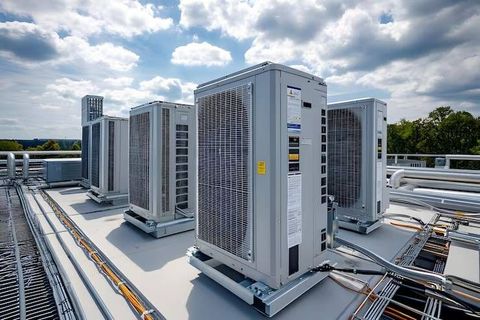
Blowers and vacuum equipment | Maintain controlled gas movement |
Condensate traps | Remove accumulated moisture |
Gas analyzers | Measure methane, carbon dioxide, and oxygen |
Flares | Burn collected gas under controlled conditions |
Treatment equipment | Prepare gas for a selected use |
Monitoring instruments | Track pressure, flow, and operating conditions |
These components operate as a connected system. Problems in one section, such as blocked pipes or excessive moisture, can reduce gas collection efficiency across the wider network.
Importance
Reducing Greenhouse Gas Emissions
Methane can trap substantially more heat than carbon dioxide over a 100-year period, although the exact comparison depends on the assessment method used. Capturing methane before it escapes into the atmosphere can reduce emissions, particularly when collection equipment operates effectively and the captured gas is properly destroyed or used.
The benefits depend on actual performance. Gas may escape through cracks, uncovered waste, poorly sealed wells, or sections of a landfill that are not connected to the collection network. Extraction systems therefore require regular inspections, surface monitoring, and adjustments as the landfill changes.
Supporting Renewable Energy and Waste Management
Collected landfill gas can serve as a source of energy when its quantity and composition are suitable. Depending on the installation, it can generate electricity, supply heat, or undergo additional treatment to produce renewable natural gas that meets applicable specifications.
Landfill methane recovery can support several activities:
Electricity generation for suitable facilities or the wider grid.
Heat production for compatible industrial processes.
Production of treated gas for approved energy applications.
Controlled flaring when energy recovery is unsuitable.
Improved measurement of emissions from waste disposal sites.
Methane extraction does not replace waste prevention, recycling, or organic waste processing. Reducing the amount of biodegradable waste sent to landfills remains an important part of long-term waste management.
Protecting Communities and Landfill Operations
Uncontrolled landfill gas can cause odor problems and create fire or explosion hazards when methane accumulates in confined spaces. Gas can also migrate through soil toward nearby buildings if site conditions allow it.
A properly designed collection system helps control gas movement, while monitoring provides information about possible leaks and operating problems. Site operators must also consider worker safety, groundwater protection, landfill stability, and the needs of nearby communities.
Recent Updates
Advances in Methane Monitoring
During 2024–2026, landfill methane management increasingly emphasized more accurate emissions measurement alongside conventional gas collection. Regulatory and research developments have examined methods such as ground-based instruments, mobile monitoring, aerial surveys, and drone-mounted sensors.
These methods can help identify areas where methane escapes despite an existing collection system. Their usefulness depends on measurement accuracy, weather conditions, site accessibility, and the ability to investigate detected emissions.
Smarter System Controls
Digital monitoring systems can collect information about gas flow, pressure, methane concentration, oxygen levels, and equipment performance. Operators can use these measurements to identify changes between collection wells and adjust extraction settings.
Automation may also help identify unusual operating conditions. However, digital controls do not eliminate the need for physical inspections, equipment maintenance, instrument calibration, and qualified personnel.
Integration With Waste Processing
Waste management planning increasingly considers how landfill methane extraction fits within a wider waste treatment strategy. Organic waste separation, composting, anaerobic digestion, recycling, and landfill gas recovery address different stages of waste management.
The appropriate combination depends on local waste composition, available infrastructure, environmental objectives, and regulatory requirements. Landfill gas systems generally remain relevant for existing waste deposits that continue generating methane, including closed landfills.
Laws or Policies
Environmental Regulations and Emissions Reporting
Landfill methane extraction systems are affected by environmental rules governing air emissions, landfill operation, pollution prevention, and greenhouse gas reporting. Requirements vary by jurisdiction and may depend on landfill size, waste type, emissions, operating status, and the applicable permit.
In the United States, the Environmental Protection Agency has requirements for greenhouse gas reporting by certain municipal solid waste landfills. Updates to its reporting framework have addressed methane generation estimates, gas collection assumptions, and emissions from poorly operating collection and destruction equipment.
Canada introduced dedicated landfill methane regulations in 2025, including requirements concerning gas control, recovery-well monitoring, surface methane measurements, and reporting for facilities within the regulations' scope.
These examples demonstrate why operators must identify the rules that apply to their own location rather than assuming that a single technical standard applies worldwide.
Landfill Design and Operational Safety
Environmental permits may address landfill liners, leachate management, gas collection, surface emissions, fire prevention, and site closure. Operators may also need to maintain records of inspections, monitoring results, equipment failures, and corrective actions.
Important operational considerations include:
Gas migration: monitoring whether methane moves beyond the intended collection area.
Fire prevention: maintaining suitable operating conditions and responding to abnormal temperatures or gas readings.
Equipment integrity: checking wells, pipes, valves, and condensate removal equipment.
Closure planning: ensuring that gas management continues when waste disposal ends.
Emissions reporting: documenting measurements and calculations according to applicable rules.
A landfill's gas production may continue for years after closure, so environmental monitoring and maintenance can remain necessary long after the site stops accepting waste.
Tools and Resources
Methane Generation Calculators
Landfill gas models estimate methane generation using information such as waste quantities, waste composition, disposal history, and decomposition rates. Engineers can use these estimates when evaluating collection system capacity and potential energy recovery.
Model outputs are estimates rather than direct measurements. Actual gas production depends on moisture, temperature, waste characteristics, landfill design, and operating conditions.
Gas Monitoring and Analysis Equipment
Portable gas analyzers can measure methane, carbon dioxide, and oxygen concentrations. Flow meters, pressure gauges, temperature sensors, and surface monitoring instruments provide additional information about system performance.
For larger facilities, continuous monitoring and data management platforms can combine measurements from multiple collection wells. Data quality depends on instrument calibration, suitable sensor placement, maintenance, and correct interpretation.
Planning and Performance Assessment
A landfill methane extraction project can be assessed through several practical indicators:
Indicator | What it measures |
|---|---|
Gas flow rate | Volume of gas collected over time |
Methane concentration | Proportion of methane in collected gas |
Collection efficiency | Estimated share of generated gas captured |
Flare performance | Effectiveness of methane destruction |
Energy output | Electricity or useful heat produced |
Surface methane readings | Evidence of gas escaping through the landfill cover |
Equipment downtime | Periods when collection or treatment equipment is unavailable |
These indicators provide different kinds of information. For example, a high gas flow rate does not necessarily indicate strong methane capture if air is entering the collection network or substantial gas is escaping elsewhere.
Technical Guidance and Research
Useful resources include environmental regulator publications, landfill engineering manuals, emissions calculation methodologies, equipment operating documentation, and research on methane detection. The US EPA's landfill greenhouse gas reporting guidance and national environmental agency publications can help explain relevant measurement and reporting approaches.
Project teams may also use site assessment templates, inspection logs, maintenance schedules, and emissions tracking spreadsheets. These records help compare results over time and document changes to the system.
FAQs
What is a landfill methane extraction system?
It is a network of wells, pipes, blowers, and monitoring equipment that collects methane-rich gas produced by decomposing waste. The captured gas can be flared or processed for energy applications.
How does landfill methane recovery generate renewable energy?
Collected gas can fuel generators that produce electricity or equipment that supplies heat. Further purification may produce renewable natural gas, provided the gas meets the required quality specifications.
What equipment is used in landfill gas collection systems?
Common equipment includes gas extraction wells, perforated pipes, blowers, condensate traps, gas analyzers, flares, and treatment units. The configuration depends on site conditions and the intended use of the gas.
Can methane extraction eliminate all landfill emissions?
No. Gas can escape from uncovered waste, cracks, poorly connected collection areas, and other locations. Collection performance depends on landfill design, waste conditions, maintenance, and the coverage of the extraction network.
What factors affect landfill methane extraction efficiency?
Waste composition, moisture, landfill age, well placement, pipe condition, vacuum settings, and system maintenance can all influence performance. Regular monitoring helps identify changes and potential leakage.
Conclusion
Landfill methane extraction systems help control gas produced by decomposing waste while supporting emissions reduction and potential energy recovery. Their performance depends on effective collection infrastructure, gas treatment, monitoring, and ongoing maintenance. Environmental regulations increasingly emphasize accurate measurement and responsible management of landfill emissions, although requirements differ across jurisdictions. Integrating methane recovery with waste prevention, recycling, and organic waste processing provides a broader approach to sustainable waste management.