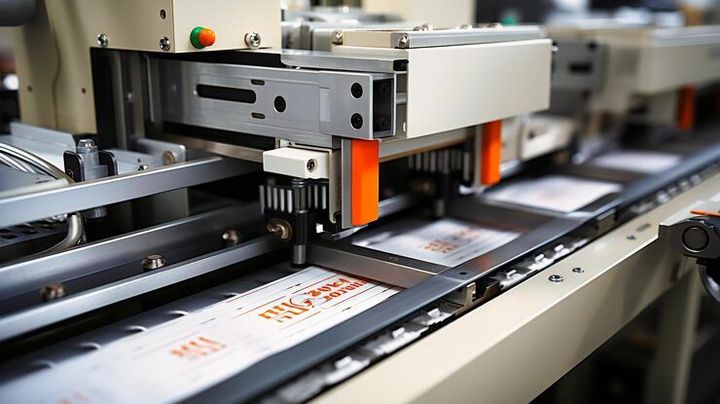
High-Speed Stamping Systems With Advanced Controls and Reliable Production Processes
High-speed stamping systems are industrial metalworking machines designed to produce large quantities of metal components through repeated pressing operations. These systems use mechanical or servo-driven presses, specialised dies, and automated material feeding equipment to shape, cut, punch, or form metal sheets at high operating speeds.
High-speed stamping systems are widely used in automotive manufacturing, electronics, electrical equipment, household appliances, and industrial component production.
The technology developed from traditional mechanical stamping methods used during the growth of industrial manufacturing. As industries began requiring larger quantities of standardised metal components, manufacturers introduced faster presses, automated feeding arrangements, and more precise tooling systems.
Modern high-speed stamping equipment combines advanced controls, mechanical engineering, sensors, and automated material handling. These systems are designed to maintain controlled production cycles while manufacturing components with specific dimensions and shapes.
What Is a High-Speed Stamping System?
A high-speed stamping system is a production arrangement that uses a powered press and specialised dies to perform repeated operations on metal sheets or strips. The press moves a tool against the material, applying sufficient force to create the required shape or cut.
Depending on the die design, a single press stroke may perform one operation or several operations simultaneously. Some systems use progressive dies, where metal moves through multiple stations and undergoes different forming operations during successive strokes.
A typical high-speed stamping system includes:
Press machine: Generates the force required for stamping operations.
Die assembly: Contains punches, cavities, and guiding elements that shape or cut the metal.
Feeding system: Moves metal sheets or coils into the press at controlled intervals.
Straightening unit: Removes unwanted curves or bends from coil-fed metal strips.
Control system: Manages machine movement, operating speed, and production sequences.
Sensors: Monitor material positioning, machine conditions, and potential process irregularities.
Part collection system: Transfers finished components into designated containers or handling equipment.
All these components work together to maintain the required production sequence.
How High-Speed Stamping Works
The stamping process begins with a metal sheet or coil being positioned and fed into the machine. The press then moves the upper die toward the lower die, applying force to cut or reshape the material.
The main stages include:
Material preparation: Metal sheets or coils are inspected and prepared for processing.
Material feeding: The feeding mechanism transfers the material into the stamping area.
Die positioning: The material enters the correct position between the upper and lower tooling.
Press operation: The machine applies force to perform cutting, punching, or forming.
Component separation: The finished part is separated from the remaining material when required.
Part collection: Completed components are transferred for inspection or further manufacturing.
In progressive stamping, the metal strip moves through multiple die stations. Each station performs a particular operation until the finished component is produced.
Importance of High-Speed Stamping Systems in Modern Manufacturing
High-speed stamping systems are important because many industries require metal components in large quantities with consistent dimensions. Products such as electrical contacts, automotive brackets, electronic connectors, appliance parts, and structural components often depend on stamping technology.
These systems support repeated production operations and help manufacturers manage demanding manufacturing schedules. They also reduce the need for separate manual operations when multiple processes can be integrated into a single production arrangement.
Industrial Applications of High-Speed Stamping
High-speed stamping technology supports several industrial sectors.
Automotive manufacturing: Produces brackets, clips, structural parts, mounting components, and selected body elements.
Electronics manufacturing: Creates electrical contacts, connector terminals, shielding components, and small precision metal parts.
Electrical equipment: Manufactures switch components, terminal connectors, contact plates, and metal fittings.
Household appliances: Produces metal housings, internal brackets, fastening components, and structural parts.
Industrial machinery: Creates mounting plates, machine fittings, support components, and precision metal parts.
Consumer products: Manufactures selected metal fittings, hardware components, and small stamped accessories.
Common Types of High-Speed Stamping Systems
Different stamping systems are designed according to material characteristics, component geometry, and production requirements.
Mechanical stamping presses: Use a motor, flywheel, and mechanical drive arrangement to generate the movement required for stamping. They are widely used for repeated operations involving sheet metal.
Servo stamping presses: Use servo motors to control press movement and operating profiles. Their programmable motion allows adjustments to speed, stroke characteristics, and forming behaviour.
Progressive die stamping systems: Move metal strips through multiple tooling stations. Each station performs a different operation, such as punching, bending, or cutting.
Transfer stamping systems: Move partially formed components between separate die stations using an automated transfer mechanism. They are suitable for components requiring multiple forming stages.
Fine blanking systems: Use specialised tooling and controlled material holding arrangements to produce components with accurately formed edges and specific dimensional characteristics.
Comparison of High-Speed Stamping Systems
| System Type | Main Operating Feature | Common Application |
|---|---|---|
| Mechanical press | Flywheel-driven movement | Repeated metal stamping |
| Servo press | Programmable motor control | Precision forming |
| Progressive stamping | Multiple die stations | Electrical and automotive parts |
| Transfer stamping | Automated part movement | Complex formed components |
| Fine blanking | Controlled cutting action | Precision metal components |
Factors That Influence Production Quality
High-speed stamping requires coordination between machine movement, material feeding, tooling, and process monitoring.
Important factors include:
Material thickness and mechanical properties.
Press capacity and operating speed.
Die design and alignment.
Feeding accuracy and material positioning.
Lubrication and surface condition.
Tool wear and maintenance.
Machine vibration and operating stability.
Incorrect settings can result in dimensional variations, burrs, material deformation, or tooling damage. Regular inspection and suitable process controls help maintain production consistency.
Recent Developments in High-Speed Stamping Technology
High-speed stamping technology continues to evolve through digital controls, servo-driven machinery, automated material handling, and advanced production monitoring. Current developments across the 2024–2026 period reflect increasing attention to precision, manufacturing flexibility, energy management, and equipment monitoring.
Advanced CNC and Servo Controls
Modern stamping equipment increasingly uses programmable controls and servo-driven mechanisms. These systems allow operators to adjust press movement, stroke speed, and operating sequences according to the material and component requirements.
Servo technology also allows more flexible control of the press cycle compared with conventional fixed-motion mechanical systems. This can be useful when manufacturing components with different forming characteristics.
Automated Material Feeding
Automated coil feeding and straightening systems help transfer metal strips into stamping presses at controlled intervals. Electronic sensors monitor material position and feeding conditions.
Some production systems also use robotic handling equipment to move finished components between machines or inspection stations. These arrangements reduce manual material movement and support coordinated production.
Smart Sensors and Predictive Monitoring
Digital monitoring technologies are increasingly used to track stamping equipment conditions. Sensors can monitor vibration, temperature, press load, lubrication conditions, and other operating parameters.
Collected information can help maintenance teams identify unusual changes in machine behaviour. Predictive maintenance systems use operating data to estimate when equipment may require inspection or maintenance.
Tooling Improvements and Material Innovation
Advanced die materials, precision machining, and improved surface treatments support tooling durability and dimensional control. Engineers are also working with different metal grades, including high-strength steels and lightweight aluminium materials.
These materials may require specialised die designs and carefully controlled forming conditions. Simulation software helps engineers evaluate material deformation and potential defects before physical production.
Energy Management and Production Monitoring
Energy management is another important area of development. Modern press systems may incorporate efficient motor drives, automated shutdown functions, and monitoring platforms that record energy consumption.
Production monitoring software can also display machine status, cycle information, output quantities, and operational alarms. This information helps manufacturing teams review production conditions.
Laws and Policies Affecting High-Speed Stamping in India
High-speed stamping operations in India are influenced by workplace safety requirements, industrial regulations, environmental policies, and technical standards. These frameworks address machinery operation, worker protection, pollution control, and product quality.
Workplace Safety Regulations
High-speed stamping presses involve powerful mechanical movement, electrical systems, sharp metal edges, and automated feeding equipment. Suitable safety arrangements are therefore necessary to reduce the risk of workplace injuries.
India's Occupational Safety, Health and Working Conditions Code, 2020, forms part of the country's occupational safety framework. Applicable provisions depend on the establishment and relevant implementation requirements.
Manufacturing facilities should consider:
Physical guards around hazardous machine areas.
Emergency stopping mechanisms.
Two-hand controls or other suitable protective systems.
Safety interlocks and monitored operating controls.
Operator training and supervision.
Electrical and mechanical inspections.
Appropriate personal protective equipment.
Maintenance procedures should also include suitable energy isolation arrangements to prevent unexpected machine movement.
Environmental and Waste Management Policies
Metal stamping facilities may generate scrap metal, used lubricants, oily waste, and other industrial residues. Environmental requirements address proper waste management, pollution prevention, and industrial discharge control.
The Central Pollution Control Board and State Pollution Control Boards oversee relevant environmental requirements under India's pollution control framework. Specific obligations depend on the nature of manufacturing activities and the applicable regulatory classification.
Metal scrap segregation and recycling are also important considerations in industrial material management.
Product Quality and Technical Standards
The Bureau of Indian Standards develops technical standards covering materials, engineering products, and manufacturing requirements. Relevant standards may apply to metal grades, component dimensions, mechanical properties, and testing procedures.
Automotive and electrical components may also need to meet additional industry-specific technical and quality requirements depending on their intended application.
Tools and Resources for High-Speed Stamping Operations
Several engineering tools and digital platforms help manufacturers design stamping dies, calculate machine requirements, monitor production, and inspect finished components.
Stamping Force Calculators
Stamping force calculators help estimate the force required for particular metalworking operations. Calculations generally consider material thickness, shear strength, cutting length, and forming requirements.
Other useful calculations include:
Press capacity estimation.
Material weight calculations.
Coil width and strip layout.
Material utilisation and nesting.
Production cycle and feed calculations.
These estimates depend on the material properties and tooling configuration.
CAD and Die Design Software
Computer-aided design software helps engineers develop stamping dies, component drawings, and tooling layouts. Three-dimensional modelling supports the evaluation of die structures and machine integration.
Specialised stamping simulation platforms can also analyse material flow, thinning, wrinkling, and springback during forming operations.
Production Monitoring Systems
Industrial monitoring platforms collect machine information, including operating speed, production output, machine status, and alarms. These systems help production teams identify operating variations and maintain equipment records.
Quality Inspection Equipment
Inspection tools help verify finished components against engineering specifications. Common instruments include:
Digital callipers for dimensional measurements.
Micrometers for checking material thickness.
Optical measuring systems for complex profiles.
Coordinate Measuring Machines for dimensional inspection.
Hardness testers for evaluating material properties.
Frequently Asked Questions About High-Speed Stamping Systems
What Are High-Speed Stamping Systems Used For?
High-speed stamping systems are used to manufacture metal components through repeated cutting, punching, and forming operations. Common applications include automotive parts, electrical contacts, electronic connectors, appliance components, and industrial fittings.
What Are the Different Types of High-Speed Stamping Machines?
Common types include mechanical stamping presses, servo presses, progressive die stamping systems, transfer stamping systems, and fine blanking machines. Each type is designed for particular component shapes and manufacturing requirements.
How Do Advanced Controls Improve High-Speed Stamping?
Advanced controls regulate press movement, material feeding, operating speed, and production sequences. Sensors and programmable systems help monitor machine conditions and maintain consistent manufacturing processes.
Which Materials Can Be Used in High-Speed Stamping?
Common materials include mild steel, stainless steel, aluminium, copper, and brass. Material selection depends on thickness, strength, ductility, electrical properties, and the intended component application.
What Factors Affect High-Speed Stamping Production?
Important factors include press capacity, machine speed, die design, material quality, feeding accuracy, lubrication, and tooling condition. Proper machine adjustment and regular maintenance also influence production consistency.
Conclusion
High-speed stamping systems are important manufacturing technologies used to produce metal components through repeated cutting and forming operations. Mechanical presses, servo systems, progressive dies, and automated feeding equipment support different industrial requirements. Advanced controls, digital monitoring, and improved tooling are shaping current developments in stamping technology. Production quality depends on material properties, machine configuration, tooling accuracy, operator training, and applicable safety requirements.