Industrial Water Purification Explained With Treatment Methods, Systems, and Applications
Industrial water purification is the process of removing unwanted substances, chemicals, suspended particles, dissolved minerals, and microorganisms from water used in manufacturing and industrial operations.
It involves several treatment methods designed to improve water quality according to the requirements of different industrial processes. Industrial water purification systems are used in manufacturing facilities, power generation plants, food processing units, pharmaceutical production, chemical industries, and many other sectors.
Water is an essential resource for industrial activities. It is used for equipment cooling, product manufacturing, cleaning, heating, steam generation, and material processing. However, water from natural sources may contain minerals, organic matter, sediments, salts, and other impurities that can affect industrial operations.
Industrial water treatment developed as industries expanded and required more consistent water quality. Traditional filtration methods were gradually supplemented by advanced technologies such as reverse osmosis, ultrafiltration, ion exchange, and ultraviolet disinfection.
Today, industrial water purification systems combine physical, chemical, and biological treatment processes. The selection of a suitable system depends on the original water quality, intended application, production requirements, and environmental considerations.
Importance
Industrial water purification plays an important role in maintaining production quality, protecting machinery, and managing water resources. Untreated or poorly treated water can create operational difficulties, including mineral deposits, corrosion, equipment blockages, and contamination.
Industrial Equipment Protection
Water containing excessive minerals, suspended particles, or corrosive substances can affect industrial machinery. For example, hard water can produce scale inside boilers, heat exchangers, and cooling systems.
Water purification helps control these problems by reducing unwanted substances before water enters sensitive equipment. Appropriate treatment also supports stable operating conditions and reduces interruptions associated with water-related equipment problems.
Manufacturing Quality and Consistency
Many manufacturing processes require water with specific chemical and physical characteristics. Food processing, electronics production, pharmaceutical manufacturing, and chemical processing may require different purification levels.
Inconsistent water quality can affect product characteristics, production efficiency, and cleaning procedures. Industrial water filtration and purification technologies help maintain suitable water conditions throughout production.
Environmental Protection
Industrial wastewater can contain oils, chemicals, organic materials, suspended solids, and other contaminants. Releasing inadequately treated wastewater can affect rivers, groundwater, soil, and aquatic ecosystems.
Wastewater treatment systems help reduce contaminant levels before discharge or reuse. Some facilities also implement water recycling systems to reduce freshwater consumption and manage industrial wastewater more effectively.
Industries That Depend on Water Purification
Food and beverage manufacturing uses treated water for processing, cleaning, and ingredient preparation.
Pharmaceutical production requires controlled water quality for manufacturing and equipment cleaning.
Power generation facilities use purified water in boilers, steam systems, and cooling operations.
Chemical manufacturing uses treated water in reactions, mixing, and processing.
Electronics manufacturing requires highly purified water for sensitive production and equipment cleaning.
Textile industries use treated water for washing, dyeing, and finishing materials.
Recent Updates
Industrial water purification is gradually moving toward more efficient, automated, and resource-conscious treatment approaches. Recent developments focus on reducing water consumption, improving monitoring accuracy, and supporting the reuse of industrial wastewater.
Advanced Membrane Filtration
Membrane-based technologies are increasingly important in industrial water treatment. Reverse osmosis, nanofiltration, and ultrafiltration can separate different types of contaminants according to membrane characteristics and operating conditions.
Modern membrane systems are being designed to improve filtration performance, manage energy consumption, and reduce membrane fouling. Improved membrane materials and system configurations are also supporting applications involving complex water sources.
Smart Water Treatment Systems
Digital monitoring technologies are becoming more common in industrial water purification plants. Sensors can measure important parameters such as pH, conductivity, turbidity, temperature, and dissolved oxygen.
These measurements help operators understand changes in water quality and identify possible treatment problems. Automated control systems can also adjust certain operating conditions according to monitored data.
Industrial Water Recycling
Water recycling is receiving greater attention as manufacturers look for ways to manage freshwater demand. Treated wastewater can sometimes be reused for cooling towers, equipment washing, landscaping, and selected manufacturing processes.
The required treatment level depends on the intended reuse application. Some processes require additional filtration, disinfection, or membrane treatment before recycled water can be used.
Energy-Efficient Purification Technologies
Energy consumption is an important consideration in large-scale water treatment. Manufacturers and engineering teams are exploring improved pumps, energy recovery devices, membrane configurations, and optimized filtration processes.
These developments aim to improve overall system performance while managing electricity and operating requirements.
Comparison of Industrial Water Treatment Methods
Treatment method | Main function | Common applications |
|---|---|---|
Sand filtration | Removes suspended particles | Manufacturing and cooling water |
Activated carbon filtration | Reduces organic compounds, odors, and chlorine | Food processing and general industrial use |
Reverse osmosis | Removes many dissolved salts and contaminants | Electronics and pharmaceutical production |
Ultrafiltration | Separates fine suspended particles and microorganisms | Wastewater treatment and process water |
Ion exchange | Removes selected dissolved ions | Boiler feedwater and demineralization |
UV disinfection | Inactivates susceptible microorganisms | Process water and water reuse |
Chemical treatment | Controls selected chemical and biological conditions | Cooling towers and industrial wastewater |
Each method addresses different water quality requirements. Industrial facilities frequently combine multiple treatment technologies to achieve the required purification level.
Laws or Policies
Industrial water purification is influenced by environmental protection regulations, wastewater discharge requirements, water quality standards, and industrial pollution control policies. These rules differ between countries and depend on the type of industry, water source, and discharge destination.
Environmental Regulations in India
In India, industrial water treatment and wastewater management are governed by several environmental laws and regulatory frameworks.
The Water (Prevention and Control of Pollution) Act, 1974, establishes provisions for preventing and controlling water pollution. It provides the framework for regulating industrial wastewater discharge and controlling pollution in water resources.
The Environment (Protection) Act, 1986, provides broader powers for environmental protection and the establishment of pollution control requirements.
The Central Pollution Control Board (CPCB) and State Pollution Control Boards (SPCBs) play important roles in monitoring industrial pollution and implementing applicable environmental requirements.
Industrial Wastewater Discharge Requirements
Industrial facilities may need to comply with prescribed wastewater discharge standards before releasing treated water into the environment or public drainage systems.
Applicable requirements can cover:
pH levels and suspended solids.
Biochemical oxygen demand (BOD).
Chemical oxygen demand (COD).
Oil and grease concentrations.
Selected heavy metals and chemical contaminants.
Other industry-specific pollution parameters.
The applicable limits depend on the relevant industry category and discharge conditions.
Zero Liquid Discharge Systems
Zero Liquid Discharge (ZLD) is an industrial wastewater management approach designed to minimize or eliminate liquid wastewater discharge from a facility.
These systems generally combine treatment processes such as filtration, reverse osmosis, evaporation, and crystallization. Recovered water may be reused, while concentrated residual materials require appropriate handling.
ZLD requirements depend on applicable environmental directions, industrial classifications, and regulatory conditions. Not every industrial facility is subject to identical requirements.
International Water Quality Frameworks
International organizations and standards bodies also influence industrial water management practices.
The International Organization for Standardization (ISO) develops environmental management standards, including ISO 14001, which provides a framework for environmental management systems.
The World Health Organization (WHO) publishes drinking-water quality guidelines that can provide useful background for understanding water quality. However, industrial process water may require different specifications depending on its intended application.
Tools and Resources
Industrial water purification requires appropriate testing instruments, treatment equipment, monitoring platforms, and technical resources. These tools help engineers and facility operators understand water characteristics and manage treatment processes.
Water Quality Testing Instruments
Water testing equipment helps identify the physical, chemical, and biological characteristics of incoming and treated water.
Common instruments include:
pH meters for measuring acidity and alkalinity.
TDS meters for estimating total dissolved solids.
Conductivity meters for monitoring dissolved ionic substances.
Turbidity meters for measuring water clarity.
Dissolved oxygen meters for measuring oxygen levels.
Water hardness testing kits for identifying calcium and magnesium concentrations.
Laboratory analysis may also be necessary when specific contaminants or regulatory parameters need to be evaluated.
Industrial Water Treatment Equipment
Different equipment components perform specific functions within purification systems.
Common equipment includes:
Industrial water filtration units for removing suspended materials.
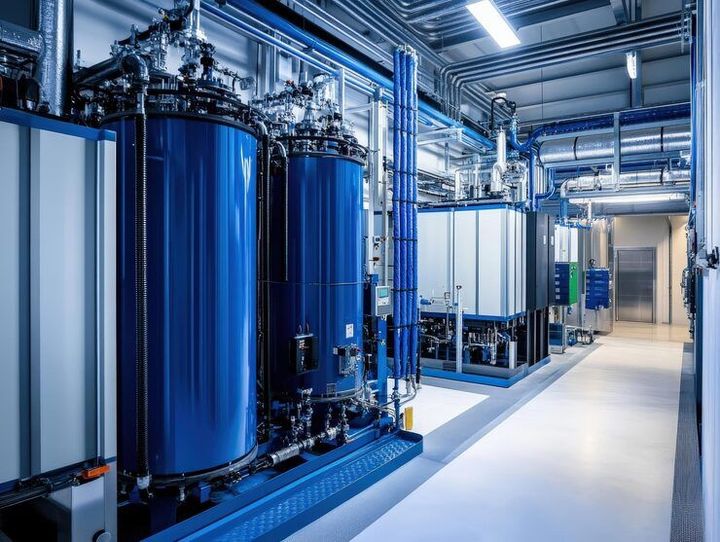
Reverse osmosis plants for reducing dissolved salts.
Industrial water softeners for controlling hardness.
Ultrafiltration systems for separating fine particles.
Demineralization plants for reducing dissolved ionic substances.
UV sterilization equipment for microbial inactivation.
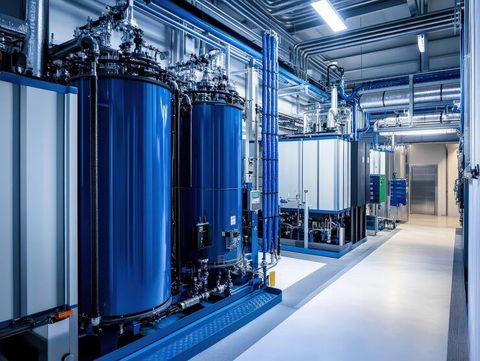
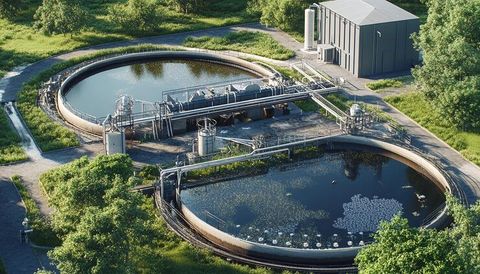
Industrial wastewater treatment plants for treating process wastewater.
Water Treatment Monitoring Software
Digital monitoring platforms help operators observe treatment performance and identify changes in operating conditions.
Supervisory Control and Data Acquisition (SCADA) systems are commonly used to monitor industrial equipment and process variables. Programmable Logic Controllers (PLCs) can automate specific treatment operations, including pump control, valve operation, and filtration cycles.
Technical Information Resources
Several organizations publish technical information related to water treatment and environmental management.
Central Pollution Control Board provides environmental standards and industrial pollution information.
Bureau of Indian Standards publishes relevant water quality and technical standards.
World Health Organization provides general water quality guidance.
International Organization for Standardization develops environmental management standards.
United States Environmental Protection Agency publishes technical information about industrial wastewater and water treatment technologies.
These resources help readers understand water quality requirements, treatment processes, and environmental management principles.
FAQs
What Is Industrial Water Purification?
Industrial water purification is the process of removing unwanted particles, dissolved substances, chemicals, and microorganisms from water used in industrial operations. It involves filtration, membrane separation, chemical treatment, and disinfection methods.
How Does an Industrial Reverse Osmosis System Work?
An industrial reverse osmosis system uses a semipermeable membrane to separate many dissolved salts and other contaminants from water. Pressure pushes water through the membrane while a concentrated stream carries away rejected substances.
Which Industrial Water Treatment Methods Are Commonly Used?
Common methods include sand filtration, activated carbon filtration, reverse osmosis, ultrafiltration, ion exchange, ultraviolet disinfection, and chemical treatment. The selected combination depends on the incoming water quality and intended industrial application.
What Is the Purpose of an Industrial Water Treatment Plant?
An industrial water treatment plant prepares water for manufacturing, cooling, cleaning, and other industrial processes. It can also treat wastewater before discharge or reuse, depending on its configuration.
What Is Zero Liquid Discharge in Industrial Water Purification?
Zero Liquid Discharge is a wastewater management approach that aims to recover reusable water and minimize liquid waste leaving an industrial facility. It commonly uses membrane filtration, evaporation, and crystallization technologies.
Conclusion
Industrial water purification is an important part of modern manufacturing, equipment protection, and environmental management. Technologies such as reverse osmosis, ultrafiltration, ion exchange, and activated carbon filtration address different water quality requirements. Industrial wastewater treatment and recycling also support more responsible water resource management. The selection and operation of purification systems depend on water characteristics, industrial applications, and applicable environmental regulations.