Learn Hydraulic Flow Equipment With Pressure Control and Hydraulic Technology Insights
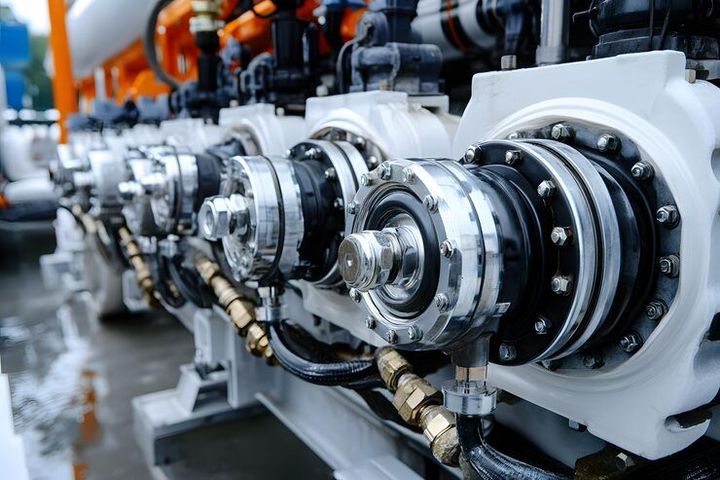
Hydraulic flow equipment is an important part of modern industrial technology. It refers to machines, components, and control systems that manage the movement of hydraulic fluid through pipes, valves, pumps, and cylinders.
These systems use pressurized liquid, generally hydraulic oil or specially formulated fluids, to transfer energy and operate mechanical equipment.
The basic concept of hydraulic technology comes from the scientific principle that pressure applied to a confined liquid can be transmitted throughout the liquid. This principle allows relatively small control inputs to operate equipment that handles substantial mechanical loads. Hydraulic systems are therefore widely used in manufacturing, construction, transportation, agriculture, mining, and industrial processing.
Hydraulic flow equipment includes several connected components that work together to regulate fluid movement and pressure. Hydraulic pumps generate fluid flow, control valves direct the liquid, pressure regulators maintain operating conditions, and actuators convert hydraulic energy into mechanical movement.
Understanding Hydraulic Flow Equipment
A hydraulic system generally contains a reservoir, pump, filtration arrangement, control valves, pipelines, and hydraulic actuators. Each component performs a particular function within the overall system.
The reservoir stores hydraulic fluid and helps release heat and air from the liquid. The pump draws fluid from the reservoir and moves it through the hydraulic circuit. Valves control the direction, pressure, and quantity of fluid supplied to different components.
Common hydraulic flow equipment includes:
Hydraulic pumps: Generate the fluid flow required for system operation.
Flow control valves: Regulate how quickly hydraulic fluid moves through a circuit.
Pressure control valves: Maintain pressure within an established operating range.
Directional control valves: Change the direction of fluid movement.
Hydraulic cylinders: Convert fluid pressure into linear mechanical movement.
Hydraulic motors: Convert hydraulic energy into rotational movement.
Filters: Capture particles that could damage internal components.
How Hydraulic Pressure and Flow Work Together
Pressure and flow are two important measurements in hydraulic technology. Pressure represents the force applied by hydraulic fluid over an area, while flow rate describes the volume of fluid moving through a system during a particular period.
Both measurements influence equipment performance. Pressure determines the force that an actuator can produce, while flow rate influences its movement speed.
For example, a hydraulic lifting platform requires sufficient pressure to raise a load. The amount of hydraulic fluid supplied to its cylinder determines how quickly the platform moves.
Importance
Hydraulic flow equipment plays an important role in industrial operations because it provides controlled mechanical movement, lifting capability, and force transmission. Its ability to manage substantial loads makes it useful in applications where electrical or mechanical arrangements alone may not provide the required operating characteristics.
These systems also affect everyday activities. Construction machinery, agricultural equipment, vehicle braking arrangements, manufacturing machines, and material-handling systems frequently depend on hydraulic technology.
Industries That Depend on Hydraulic Technology
Different industries use hydraulic flow equipment according to their operating requirements.
Manufacturing: Hydraulic presses, injection molding machines, and metal-forming equipment use controlled fluid pressure to perform mechanical operations.
Construction: Excavators, loaders, cranes, and lifting platforms use hydraulic cylinders and motors.
Agriculture: Tractors, harvesters, and agricultural attachments use hydraulic circuits for lifting and movement.
Automotive: Hydraulic braking arrangements and vehicle lifting equipment depend on controlled fluid pressure.
Mining: Hydraulic drilling equipment and heavy machinery use pressure-based mechanical systems.
Marine applications: Steering arrangements, deck machinery, and lifting systems use hydraulic components.
Problems Addressed by Pressure Control
Uncontrolled hydraulic pressure can affect equipment performance and component reliability. Excessive pressure may damage hoses, seals, pipes, and other connected components. Insufficient pressure can reduce lifting capability or prevent equipment from completing its intended movement.
Hydraulic pressure control equipment addresses these challenges through different regulating mechanisms.
Important functions include:
Preventing pressure from exceeding the established system limit.
Maintaining suitable operating pressure during changing loads.
Regulating actuator movement through controlled fluid flow.
Reducing pressure fluctuations within hydraulic circuits.
Supporting stable equipment operation under different working conditions.
Hydraulic Flow Equipment Components and Functions
The following table explains commonly used components and their main purposes.
| Equipment | Primary Function | Common Application |
|---|---|---|
| Hydraulic pump | Generates fluid flow | Industrial machinery |
| Relief valve | Limits maximum pressure | Hydraulic circuits |
| Flow control valve | Regulates fluid quantity | Cylinders and motors |
| Directional valve | Changes fluid direction | Mobile machinery |
| Pressure regulator | Controls operating pressure | Industrial equipment |
| Hydraulic filter | Removes fluid contamination | Hydraulic systems |
| Accumulator | Stores hydraulic energy | Pressure support systems |
| Hydraulic cylinder | Produces linear movement | Lifting equipment |
Understanding these components helps explain how different hydraulic technologies work together.
Recent Updates
Hydraulic technology continues to develop through improvements in automation, electronic control, energy efficiency, and equipment monitoring. Recent industrial developments from 2024 through 2026 reflect increasing interest in combining traditional hydraulic systems with digital technologies.
Smart Hydraulic Control Systems
Electronic control technology is becoming more common in modern hydraulic equipment. Sensors can monitor pressure, temperature, fluid levels, and operating conditions.
These measurements help control systems adjust hydraulic operations according to changing requirements. Electronic proportional valves, for example, allow more controlled regulation of fluid flow compared with basic manually operated arrangements.
Integration With Industrial Automation
Hydraulic equipment is increasingly integrated with programmable logic controllers (PLCs), industrial computers, and automated production systems.
This integration allows hydraulic machinery to coordinate its movement with other manufacturing processes. Operators can monitor selected operating parameters through control panels and industrial monitoring platforms.
Energy-Efficient Hydraulic Systems
Energy efficiency remains an important development area. Conventional hydraulic systems may consume energy even when equipment is not performing significant mechanical work.
Modern variable-displacement pumps, load-sensing systems, and variable-speed electric drives help adjust energy consumption according to operating demand.
Digital Monitoring and Predictive Maintenance
Digital monitoring technologies help identify changes in hydraulic system performance.
For example, unusual temperature increases, pressure variations, and declining fluid quality can indicate developing equipment problems. Monitoring these conditions helps maintenance teams investigate potential faults before they cause major interruptions.
Other developments include:
Improved hydraulic filtration arrangements.
Compact hydraulic power units.
Low-leakage valve designs.
Electrically controlled hydraulic actuators.
Hydraulic systems designed for improved energy management.
These developments indicate a broader movement toward connected, automated, and efficiently controlled hydraulic equipment.
Laws or Policies
Hydraulic flow equipment is influenced by industrial safety requirements, machinery standards, environmental policies, and workplace operating rules. These requirements help establish expectations for equipment design, installation, inspection, and operation.
Because regulations differ between countries and industries, manufacturers and equipment operators generally need to consider the rules applicable to their operating location.
International Hydraulic Safety Standards
ISO 4413 is an important international standard covering general rules and safety requirements for hydraulic fluid power systems and their components.
It addresses several technical considerations, including system design, pressure protection, fluid leakage, installation, and maintenance-related safety.
Other relevant standards may address hydraulic components, hose assemblies, pressure testing, and machinery safety.
Workplace Equipment Safety
Industrial workplaces commonly establish procedures for operating and maintaining hydraulic machinery.
Important safety considerations include:
Pressure limits: Equipment should operate within its specified pressure ratings.
Component compatibility: Hoses, fittings, valves, and other parts should be suitable for the intended pressure and fluid.
Leakage prevention: Hydraulic leaks should be investigated and addressed appropriately.
Isolation procedures: Equipment should be isolated from energy sources before maintenance activities.
Operator training: Personnel should understand equipment controls and potential hydraulic hazards.
Environmental Considerations
Hydraulic fluids can create environmental concerns when released into soil, drainage systems, or water sources. Many industrial facilities therefore use appropriate storage arrangements, spill-control procedures, and fluid disposal practices.
Environmental requirements may also influence hydraulic fluid selection, equipment design, and filtration arrangements.
Tools and Resources
Various technical tools and digital resources help engineers, technicians, equipment operators, and students understand hydraulic flow equipment. These resources support system calculations, component selection, troubleshooting, and technical learning.
Hydraulic Calculation Tools
Hydraulic calculators help determine important operating parameters.
Common calculations include:
Pressure calculation: Determines the relationship between applied force and surface area.
Flow rate calculation: Estimates the volume of fluid moving through a hydraulic circuit.
Cylinder force calculation: Estimates the force produced by a hydraulic cylinder.
Hydraulic power calculation: Evaluates the relationship between pressure and flow rate.
Cylinder speed calculation: Estimates movement speed based on fluid flow and cylinder dimensions.
A commonly used relationship for hydraulic power is:
Hydraulic Power (kW) = Pressure (bar) × Flow Rate (L/min) ÷ 600
This formula provides theoretical hydraulic power. Actual input requirements may be higher because of mechanical and hydraulic efficiency losses.
Technical Software and Digital Platforms
Different software platforms support hydraulic system design and simulation.
Examples include:
FluidSIM: Used for learning and simulating fluid power circuits.
Automation Studio: Supports the design and simulation of hydraulic and pneumatic systems.
MATLAB and Simulink: Used for modeling, analysis, and control-system development.
Manufacturer configuration tools: Help engineers examine compatible pumps, valves, cylinders, and hydraulic components.
Technical documentation platforms: Provide equipment specifications, operating instructions, and component diagrams.
Hydraulic Equipment Inspection Tools
Physical inspection instruments are also important for evaluating hydraulic system conditions.
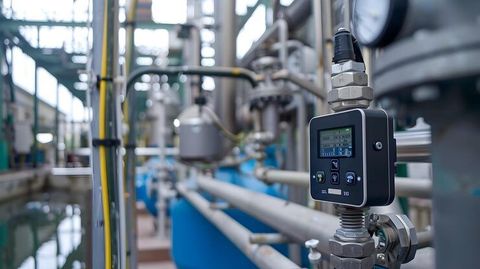
Common examples include pressure gauges, flow meters, temperature sensors, hydraulic test kits, contamination monitoring equipment, and fluid sampling instruments.
Using suitable instruments helps technicians compare actual operating conditions with equipment specifications.
FAQs
What Is Hydraulic Flow Equipment?
Hydraulic flow equipment includes pumps, valves, filters, pipes, and actuators that manage the movement and pressure of hydraulic fluid. These components work together to transfer energy and produce controlled mechanical movement.
How Does a Hydraulic Pressure Control Valve Work?
A hydraulic pressure control valve regulates pressure within a hydraulic circuit. A relief valve, for example, opens when pressure reaches its specified setting, allowing excess fluid to return to a reservoir or another designated part of the circuit.
What Is the Difference Between Hydraulic Pressure and Flow Rate?
Hydraulic pressure represents the force applied by the fluid over an area, whereas flow rate measures the volume of fluid moving through the system over time. Pressure influences actuator force, while flow rate influences movement speed.
Which Industries Use Hydraulic Flow Control Systems?
Hydraulic flow control systems are used in construction, manufacturing, agriculture, mining, automotive production, marine equipment, and material handling. They support lifting, pressing, steering, positioning, and other mechanical operations.
How Can Hydraulic Equipment Efficiency Be Improved?
Efficiency can be supported through appropriate pump selection, correct pressure settings, suitable fluid selection, effective filtration, leak prevention, and regular condition monitoring. System design should also consider hydraulic losses and the operating requirements of connected equipment.
Conclusion
Hydraulic flow equipment is an essential part of industrial technology, supporting controlled fluid movement, pressure regulation, and mechanical operations. Pumps, valves, cylinders, filters, and monitoring instruments perform connected functions within hydraulic systems. Developments in electronic controls, automation, and digital monitoring are influencing modern hydraulic equipment design. Understanding hydraulic pressure, flow rate, safety standards, and component functions provides a useful foundation for learning hydraulic technology.