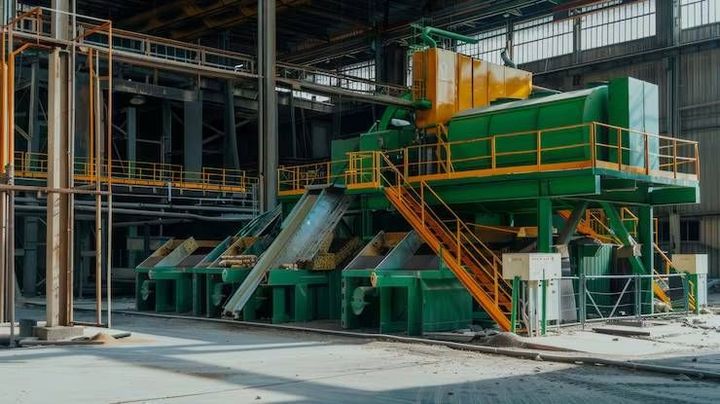
Waste Recycling Machinery Information With Material Recovery and Waste Management Solutions
Waste recycling machinery plays an important role in modern waste management by converting discarded materials into reusable resources. These machines are designed to collect, separate, process, compact, and prepare different types of waste for further treatment or recycling.
Common materials include plastic, paper, cardboard, glass, metals, rubber, electronic components, and organic waste.
The growing use of packaging, manufactured products, construction materials, and electronic equipment has increased the amount of waste generated by households and industries. Traditional disposal methods, such as landfilling and uncontrolled dumping, create environmental challenges and use valuable land. Waste recycling machinery helps address these issues by supporting organized material recovery and reducing the volume of waste sent for final disposal.
Recycling equipment is used in municipal waste facilities, manufacturing plants, commercial buildings, construction sites, and specialized recycling centers. Each facility selects machinery according to the materials it handles, the required processing capacity, and the final output.
How Waste Recycling Machinery Works
A typical recycling facility uses several processing stages to transform mixed waste into separated material streams. The exact arrangement depends on the waste composition and the recycling process.
The general workflow includes:
Collection: Waste arrives from households, businesses, industrial facilities, or construction sites.
Sorting: Materials are separated manually or through automated equipment.
Size reduction: Shredders and crushers reduce large materials into smaller pieces.
Separation: Magnetic, optical, and air-based systems identify and separate different materials.
Cleaning: Washing equipment removes dirt, labels, and unwanted substances.
Processing: Materials are compacted, baled, melted, or prepared for further industrial applications.
Main Types of Waste Recycling Machinery
Different waste categories require specialized equipment.
Plastic Recycling Machines: These systems process plastic bottles, containers, films, and industrial plastic waste. Common equipment includes plastic shredders, washing lines, granulators, dryers, and pelletizing machines.
Metal Recycling Machines: Metal recycling facilities use scrap metal shredders, magnetic separators, metal balers, and cutting equipment to process ferrous and non-ferrous materials.
Paper and Cardboard Recycling Machines: These machines sort, shred, pulp, and compress paper-based waste for further processing into recycled paper products.
Glass Recycling Equipment: Glass crushers, screening systems, and sorting machines prepare discarded glass for reuse in manufacturing applications.
Organic Waste Processing Machines: Composting systems, food waste grinders, and organic waste treatment equipment process biodegradable materials into compost or other usable outputs.
Electronic Waste Recycling Machines: Specialized systems separate circuit boards, cables, plastics, and metal components from discarded electronic equipment.
Importance
Waste recycling machinery matters because waste generation affects environmental quality, public infrastructure, manufacturing activities, and resource availability. As cities expand and industrial production increases, waste collection and disposal systems face growing operational challenges.
Recycling equipment helps facilities recover useful materials that might otherwise be discarded. It also supports organized waste handling, improves material separation, and reduces the amount of untreated waste requiring disposal.
Environmental and Industrial Benefits
Several important advantages are associated with organized recycling operations.
Resource conservation: Recovered metals, plastics, glass, and paper can replace some newly extracted or manufactured raw materials.
Waste volume reduction: Shredders, compactors, and balers reduce the physical space occupied by certain waste materials.
Improved material recovery: Automated sorting systems help identify recyclable materials within mixed waste streams.
Organized waste handling: Mechanical processing creates more consistent material categories for additional treatment.
Manufacturing support: Recycled materials can become inputs for packaging, construction, automotive components, and other industrial products.
Who Uses Waste Recycling Machinery?
Waste recycling systems serve different industries and organizations.
Municipal Waste Management Facilities: Local waste management authorities use sorting lines, compactors, shredders, and screening systems to process collected municipal waste.
Manufacturing Industries: Factories use recycling machinery to manage production leftovers, packaging waste, metal scraps, and rejected materials.
Construction and Demolition Companies: Concrete crushers, mobile shredders, and screening equipment process materials from demolished buildings and construction activities.
Commercial Recycling Centers: These facilities handle cardboard, plastic containers, metals, and other recyclable materials collected from commercial locations.
Specialized Recycling Plants: Dedicated facilities process electronic waste, used tires, batteries, and other materials requiring controlled handling.
Common Challenges in Waste Processing
Despite technological improvements, recycling facilities encounter several difficulties:
Mixed waste containing multiple material types can complicate separation.
Contamination from food, chemicals, dirt, and non-recyclable components can reduce material quality.
Different plastic grades may require separate processing methods.
Machinery requires regular inspection, maintenance, and trained operation.
Electricity consumption and equipment downtime can affect processing efficiency.
Inconsistent waste collection can create variations in material quantity and composition.
Recent Updates
Waste recycling machinery is gradually becoming more automated, digitally monitored, and adaptable to different waste categories. Recent developments from 2024–2026 reflect increasing interest in advanced sorting technologies, resource recovery, and integrated waste management systems.
Artificial Intelligence in Waste Sorting
Artificial intelligence is increasingly being integrated into automated recycling facilities. AI-based systems analyze images and material characteristics to identify different waste categories.
Computer vision technology can help distinguish plastic containers, cardboard, metals, and other materials. When connected to robotic sorting equipment, these systems can direct selected objects into separate collection streams.
Advanced Optical Sorting Systems
Optical sorting machines use cameras, sensors, and specialized detection methods to identify materials. Near-infrared sensors, for example, can help distinguish different types of plastics.
These systems are useful in facilities handling mixed packaging waste, where manual sorting alone may not provide the required processing consistency.
Robotic Recycling Equipment
Robotic sorting systems use mechanical arms, sensors, and automated control software to identify and move selected waste items. Their applications include packaging recovery, electronic waste processing, and material separation.
Energy-Efficient Recycling Systems
Manufacturers are developing machinery with improved motors, automated controls, and energy-monitoring features. Variable-speed drives and optimized operating systems can help facilities manage electricity consumption according to processing requirements.
Integrated Recycling Plants
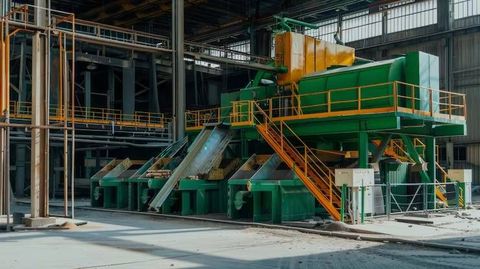
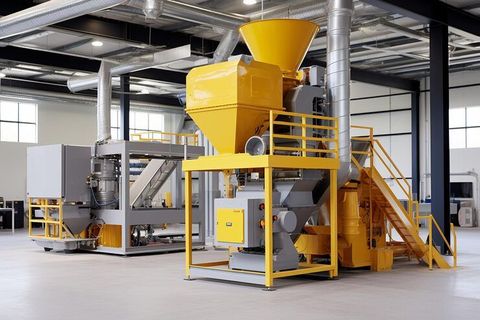
Modern recycling facilities increasingly combine multiple machines into connected processing lines. A single facility may include conveyors, shredders, magnetic separators, optical sorting equipment, washing systems, and balers.
The following table explains common equipment and its primary functions.
Recycling Machinery | Main Function | Common Materials |
|---|---|---|
Industrial Shredder | Reduces material size | Plastic, tires, metals |
Magnetic Separator | Extracts magnetic metals | Iron, steel |
Plastic Granulator | Produces smaller plastic particles | Plastic waste |
Waste Baler | Compresses recyclable materials | Paper, cardboard, plastic |
Glass Crusher | Breaks glass into smaller pieces | Glass containers |
Trommel Screen | Separates materials by size | Mixed municipal waste |
Optical Sorter | Identifies material categories | Plastics, packaging |
Conveyor System | Transfers waste between stages | Mixed recyclable waste |
Laws or Policies
Waste recycling machinery operates within environmental regulations and waste management policies. These rules generally cover waste collection, transportation, treatment, recycling, pollution control, and final disposal.
Requirements vary according to the country, type of waste, facility size, and processing activity. Businesses operating recycling plants may need to follow environmental approvals, workplace safety requirements, equipment standards, and waste-handling procedures.
Waste Management Regulations in India
India has developed several regulatory frameworks to improve waste collection, segregation, recycling, and environmentally responsible disposal.
Important regulatory areas include:
Solid Waste Management Rules: These rules establish responsibilities for waste generators, local authorities, and waste processing facilities. They emphasize source segregation, collection systems, processing, and scientific disposal.
Plastic Waste Management Rules: These regulations address plastic waste collection, recycling, processing, and extended producer responsibility. They encourage improved plastic waste management throughout the product lifecycle.
E-Waste Management Rules: These rules establish responsibilities for manufacturers, producers, recyclers, and other stakeholders involved in electronic waste management. Authorized recycling and recovery processes are important parts of this framework.
Construction and Demolition Waste Management Rules: These provisions address the collection, transportation, processing, and utilization of construction and demolition waste.
Environmental and Operational Compliance
Recycling facilities may need to consider several operational requirements:
Appropriate authorization from relevant pollution control authorities.
Safe storage and transportation of different waste categories.
Proper handling of hazardous and electronic waste.
Pollution prevention during washing, shredding, and processing.
Safe machinery installation and workplace operating procedures.
Appropriate management of wastewater and processing residues.
Regulatory requirements can change, so facilities must refer to applicable government notifications and current environmental rules.
Tools and Resources
Selecting and operating waste recycling machinery involves understanding material characteristics, processing capacity, equipment specifications, and environmental requirements. Several digital and technical resources can help organizations understand these factors.
Machinery Selection and Planning Tools
Waste Composition Analysis: Waste audits and material composition assessments help determine the proportion of plastic, paper, metal, glass, and organic materials entering a facility.
Recycling Capacity Calculators: These tools estimate processing requirements using daily waste quantities, operating hours, and expected material recovery rates.
Conveyor and Shredder Specification Sheets: Technical documents provide information about machine dimensions, motor power, throughput capacity, material compatibility, and operating conditions.
Energy Consumption Calculators: These tools help estimate electricity requirements using equipment power ratings and operating hours.
Digital Waste Management Resources
Several platforms and information sources support recycling operations and regulatory awareness.
Central Pollution Control Board (CPCB): Provides environmental guidelines, waste management information, and regulatory updates in India.
Ministry of Environment, Forest and Climate Change: Publishes environmental policies, notifications, and waste management regulations.
Global Recycling Foundation: Shares educational information about recycling practices and resource recovery.
International Solid Waste Association (ISWA): Provides technical knowledge about waste management systems and industry developments.
Material Flow Analysis Tools: Help facilities examine how materials enter, move through, and leave recycling operations.
Factors to Consider When Evaluating Machinery
Before selecting recycling equipment, facilities generally assess:
Material compatibility: Whether the machine can process the intended waste category.
Processing capacity: The quantity of material handled per hour or day.
Output quality: The purity, size, and consistency of recovered materials.
Energy requirements: Electricity consumption during normal operation.
Maintenance needs: Inspection intervals, replacement components, and servicing requirements.
Safety features: Emergency stops, protective guards, and appropriate operating controls.
Facility layout: Available floor space, conveyor arrangements, and material storage areas.
FAQs
What Is Waste Recycling Machinery?
Waste recycling machinery refers to industrial equipment used to sort, separate, shred, wash, compact, and process discarded materials. It helps recover reusable resources from plastic, metal, paper, glass, electronic waste, and other material categories.
What Are the Main Types of Waste Recycling Machines?
Common types include industrial shredders, plastic granulators, metal separators, waste balers, glass crushers, trommel screens, optical sorters, and organic waste processing equipment. Each machine performs a specific function within the recycling process.
How Does Plastic Waste Recycling Machinery Work?
Plastic recycling machinery generally uses sorting, shredding, washing, drying, and granulation stages. Some facilities also use extrusion and pelletizing systems to prepare processed plastic for further manufacturing applications.
How Does AI Improve Waste Management Solutions?
AI-based sorting systems use cameras, sensors, and computer vision to identify different waste materials. When integrated with automated equipment, they can improve sorting consistency and support material recovery operations.
Which Regulations Apply to Waste Recycling Plants in India?
Applicable regulations depend on the waste category. Important frameworks include the Solid Waste Management Rules, Plastic Waste Management Rules, E-Waste Management Rules, and Construction and Demolition Waste Management Rules.
Conclusion
Waste recycling machinery supports modern waste management by separating, processing, and recovering materials from discarded products. Equipment such as shredders, balers, optical sorters, and washing systems serves different recycling requirements across industrial and municipal facilities. Recent developments in artificial intelligence, robotics, and automated sorting are influencing material recovery operations. Environmental regulations and appropriate machinery selection remain important considerations for organized recycling facilities.