Pressure Testing Machines Guide With Modern Testing Technology and Equipment Resources
Pressure testing machines are equipment systems used to determine whether pipes, vessels, components, containers, and other pressure-bearing products can withstand a specified internal or external pressure.
The basic idea is straightforward: a component is exposed to a controlled pressure level while measurements are taken to identify leakage, deformation, weakness, or failure.
Pressure testing developed alongside industries that began using enclosed systems for fluids and gases. Manufacturing, construction, energy production, transportation, water management, and process industries all depend on components that may operate under pressure. Testing provides a controlled way to examine these components before they are placed into demanding operating conditions.
What Pressure Testing Machines Do
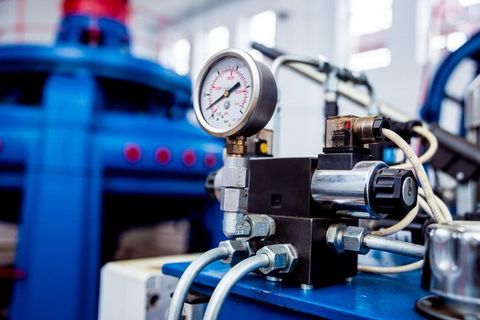
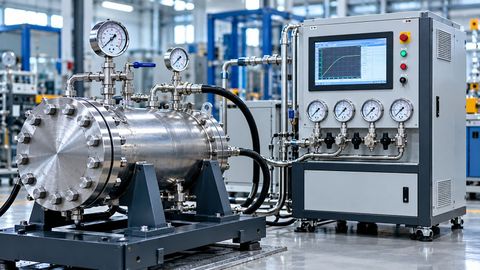
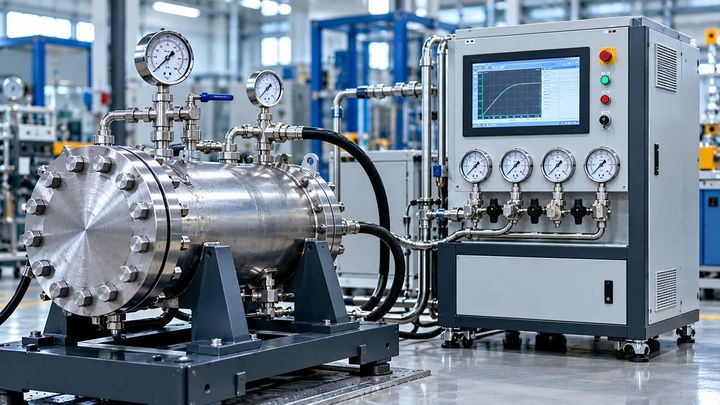
A pressure testing machine normally combines a pressure source, test chamber or connection system, measuring instruments, control equipment, and safety features. Depending on the application, the test medium may be water, air, nitrogen, hydraulic fluid, or another suitable medium.
Hydrostatic pressure testing uses a liquid, commonly water, to pressurize a component. Pneumatic pressure testing uses a gas and requires additional attention because compressed gases contain stored energy that can create greater hazards if a component fails.
Common pressure testing equipment includes:
- Hydraulic pressure test systems for liquid-based testing
- Pneumatic pressure testing equipment for controlled gas testing
- Pressure gauges and digital pressure sensors
- Pressure pumps and intensifiers
- Test chambers and fixtures
- Data recording and monitoring systems
- Automatic pressure control units
- Leak detection equipment
The selected equipment depends on the component size, pressure range, test medium, required accuracy, and applicable testing procedure.
Main Types of Pressure Testing
Hydrostatic testing is widely used for pipes, tanks, pressure vessels, valves, and similar equipment. The component is filled with liquid and pressurized to a defined level. Because liquids are far less compressible than gases, hydrostatic testing can limit stored energy compared with pneumatic testing.
Pneumatic testing uses compressed gas when a liquid cannot be used or when the application requires gas-based testing. Because compressed gas can release substantial energy during a failure, appropriate containment, procedures, and protective measures are important.
Burst testing takes a component beyond its intended pressure range until structural failure occurs. This type of test is generally associated with development, validation, or controlled destructive testing rather than routine inspection.
Proof pressure testing applies a specified pressure for a defined period to determine whether a component can withstand the test condition without unacceptable leakage or permanent deformation.
Importance
Pressure testing matters because pressure-related failures can affect equipment performance, production continuity, property, and human safety. A small weakness in a pipe connection, valve body, tank wall, or sealed assembly may become more significant when pressure changes repeatedly during operation.
Industries That Use Pressure Testing
Many industries rely on pressure testing machines because pressure-bearing components are found in a wide range of systems. Typical applications include:
- Pipeline and pipe manufacturing
- Water and fluid handling systems
- Industrial process equipment
- Automotive components
- Aerospace structures and systems
- Heating and cooling equipment
- Gas storage and distribution equipment
- Pressure vessels
- Pumps and valves
- Hydraulic and pneumatic assemblies
The testing process can identify problems such as leakage, weak joints, incorrect assembly, material defects, and inadequate sealing.
Factors That Affect Testing
Choosing pressure testing equipment requires consideration of several technical factors. The maximum test pressure is important because the machine must be capable of generating and controlling the required pressure without operating outside its intended range.
The component's dimensions also influence equipment selection. Large pipelines may require specialized fixtures and high-capacity pumps, while small components may use compact test benches.
Measurement accuracy is another important consideration. A pressure sensor or gauge should have an appropriate measurement range and resolution for the test. Using an instrument that is poorly matched to the expected pressure can make readings less useful.
Test duration, temperature, pressure stability, and the type of test medium can also influence the testing procedure.
Pressure Testing Equipment Comparison
| Equipment Type | Common Application | Test Medium | Main Measurement |
|---|---|---|---|
| Hydraulic Test System | Pipes and vessels | Liquid | Pressure and leakage |
| Pneumatic Test System | Gas-related assemblies | Gas | Pressure and leakage |
| Pressure Test Bench | Small components | Liquid or gas | Pressure stability |
| Burst Test System | Development testing | Liquid or gas | Failure pressure |
| Digital Pressure Tester | Component inspection | Application dependent | Pressure reading |
| Automated Test System | Production environments | Application dependent | Pressure and test data |
The table provides a general comparison. Actual equipment specifications vary according to manufacturer design, application requirements, and testing standards.
Recent Updates
Modern pressure testing machines increasingly combine mechanical equipment with digital monitoring and automated control. This trend has developed as manufacturers and testing facilities seek more consistent measurements, easier data management, and clearer records.
Digital Measurement and Automation
Traditional pressure gauges are increasingly complemented by digital pressure sensors and electronic data acquisition systems. These systems can record pressure changes over time and make it easier to review test results.
Automated pressure control can regulate pressure according to a predefined test sequence. A typical sequence may include filling, pressurization, stabilization, holding, measurement, depressurization, and result recording.
Automation can also reduce variation between repeated tests. However, automated equipment still requires appropriate setup, calibration, maintenance, and operator oversight.
Connected Testing Systems
Industrial testing equipment is increasingly designed to communicate with computers and manufacturing information systems. Digital records can include pressure values, test duration, component identification, operator information, and pass or fail results where such criteria are defined by the applicable procedure.
Data connectivity can support traceability by associating test information with a specific component or production batch. It can also make historical records easier to review.
Improved Leak Detection
Pressure testing technology is also developing alongside more precise leak detection methods. Depending on the application, systems may monitor pressure decay, flow, differential pressure, or other measurable changes.
Pressure decay testing is particularly useful for sealed components. The component is pressurized and isolated, after which changes in pressure are monitored over a specified period. Environmental factors such as temperature can influence readings, so controlled conditions may be important.
Software-Based Test Management
Testing software can provide configurable procedures, measurement recording, report generation, and equipment status monitoring. Some systems also provide graphical representations of pressure changes, making unusual patterns easier to identify.
Modern equipment therefore increasingly functions as a combined mechanical, electronic, and software-based testing platform rather than simply a pressure pump and gauge.
Laws or Policies
Pressure testing is influenced by safety regulations, technical standards, inspection requirements, and industry-specific rules. Requirements differ according to the equipment being tested, its intended use, pressure level, test medium, and jurisdiction.
Safety Requirements
Organizations conducting pressure tests generally need procedures addressing equipment condition, pressure limits, containment, access control, emergency response, and operator training. Pneumatic testing can require particularly careful controls because compressed gas stores significant energy.
Pressure testing equipment should be operated within its specified pressure range. Hoses, fittings, valves, gauges, chambers, and connections should be appropriate for the intended pressure and test medium.
Technical Standards
International and national standards can define methods for hydrostatic testing, pneumatic testing, pressure vessels, pipelines, valves, and other equipment. Standards may specify test pressure, holding periods, measurement methods, acceptance criteria, calibration requirements, and documentation.
Organizations should identify the standards applicable to their particular equipment and jurisdiction rather than assuming that one testing method applies universally.
Calibration and Records
Measurement instruments used for pressure testing may be subject to calibration requirements. Calibration helps establish whether an instrument provides measurements within an accepted accuracy range.
Test records can be important for quality management and regulatory documentation. Depending on the industry, records may include equipment identification, instrument information, test pressure, duration, environmental conditions, results, and relevant component details.
Tools and Resources
Several digital and physical resources can help people understand and organize pressure testing activities. Pressure unit converters are useful when specifications use different measurement units, while pressure calculators can help with basic engineering relationships.
Useful Resources
Helpful resources may include:
- Pressure unit conversion calculators
- Pressure and temperature reference tables
- Equipment operating manuals
- Calibration records and templates
- Digital test reporting software
- Inspection checklists
- Technical standard databases
- Maintenance documentation systems
- Test procedure templates
- Engineering calculation tools
Equipment manuals are particularly important because pressure testing machines can differ substantially in operating controls, maximum pressure, connection arrangements, sensor configurations, and safety features.
Digital test reports can also improve record organization by keeping measurements and test conditions together. Templates can provide a consistent format for recording test identification, equipment information, pressure levels, duration, observations, and final results.
Selecting Appropriate Equipment
When evaluating pressure testing machines, several questions can help establish whether a system matches the intended application. The required pressure range should be identified first, followed by component dimensions and test medium.
The required measurement accuracy, test duration, automation level, data recording requirements, and available workspace should also be considered. Safety features such as pressure relief mechanisms, protective enclosures, emergency controls, and appropriate fixtures are important parts of the overall system.
Testing equipment should always be used according to its technical documentation and the applicable testing procedure.
FAQs
What are pressure testing machines used for?
Pressure testing machines are used to expose components or systems to controlled pressure and measure their response. They can help identify leakage, weakness, deformation, or other conditions defined by a particular testing procedure.
How does hydrostatic pressure testing work?
Hydrostatic pressure testing fills a component with a liquid and raises the internal pressure to a specified level. The system is then monitored for leakage, pressure changes, deformation, or other defined acceptance criteria.
What is pneumatic pressure testing equipment?
Pneumatic pressure testing equipment is designed for testing components using compressed gas. Because compressed gas contains stored energy, pneumatic testing requires carefully controlled procedures and appropriate protective measures.
What should be considered when choosing pressure testing equipment?
Important factors include pressure range, component dimensions, test medium, measurement accuracy, test duration, automation requirements, data recording, fixtures, and applicable standards.
Are digital pressure testing machines more accurate?
Digital systems can provide precise measurement and convenient data recording, but accuracy depends on the sensor, calibration, measurement range, installation, environmental conditions, and overall test setup. Digital operation alone does not establish accuracy.
Conclusion
Pressure testing machines provide controlled methods for examining pressure-bearing components and identifying conditions such as leakage, deformation, and structural weakness. Modern systems increasingly combine hydraulic or pneumatic equipment with digital sensors, automated controls, data recording, and software-based reporting. Applicable safety rules and technical standards influence how pressure tests are designed and performed. Understanding pressure range, test medium, measurement requirements, equipment configuration, and documentation helps explain how modern pressure testing technology is used across different industries.