PET Bottle Recycling Crush Washing Line Information With Equipment and Processing Technology
PET bottle recycling crush washing lines are industrial systems designed to process discarded plastic bottles into clean PET flakes that can be used as raw materials in manufacturing.
PET stands for polyethylene terephthalate, a lightweight and durable plastic commonly used for drinking water bottles, beverage containers, food packaging, and other consumer products.
As plastic packaging has become widely used, the amount of discarded PET bottles has also increased. Improper disposal can contribute to environmental pollution, landfill accumulation, and plastic waste in rivers and oceans. Recycling systems help recover usable plastic materials and reduce the need for producing new plastic from virgin raw materials.
A PET bottle recycling crush washing line combines several processing stages, including sorting, label removal, crushing, washing, separation, drying, and material collection. Each stage prepares the discarded bottles for the next operation.
What Is a PET Bottle Crush Washing Line?
A PET bottle crush washing line is a connected group of machines that converts collected plastic bottles into smaller, cleaned plastic flakes. These flakes are separated from unwanted materials such as labels, bottle caps, adhesives, dirt, and other contaminants.
The processing system can be configured according to the condition of incoming bottles, required flake quality, production capacity, and intended recycling application.
Where Does PET Bottle Recycling Begin?
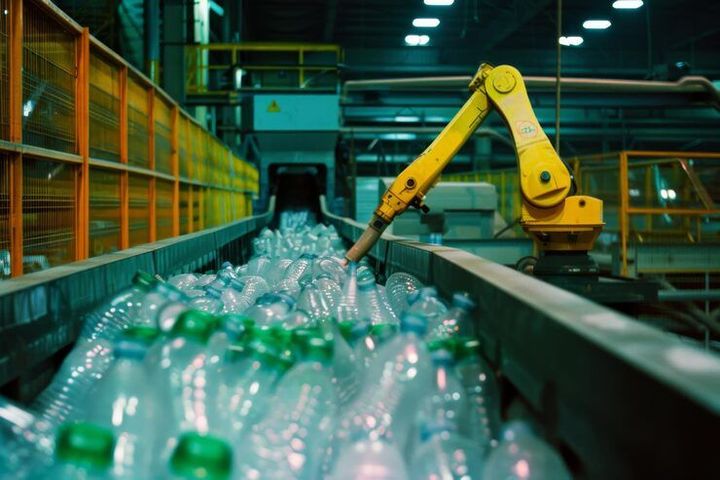
The process generally begins with discarded bottles collected from households, commercial facilities, public areas, and waste management centers. Collection systems transport these materials to recycling facilities, where workers or automated equipment separate PET bottles from other waste.
Before processing, bottles may contain:
Water or beverage residues.
Plastic labels and adhesive materials.
Bottle caps and rings.
Sand, dust, and other surface contaminants.
Non-PET packaging materials.
Removing these materials is important because contamination can affect the quality of recycled PET flakes.
Importance
PET bottle recycling is important because plastic packaging creates waste management challenges for communities, manufacturers, recycling facilities, and environmental organizations.
Recycling systems provide a structured way to recover materials that might otherwise enter landfills or the natural environment. They also support the development of a circular materials economy, where discarded products become inputs for new manufacturing processes.
Environmental and Industrial Importance
A properly managed PET bottle recycling crush washing line supports several activities:
Waste reduction: Processing discarded bottles helps divert recyclable plastic from disposal sites.
Material recovery: PET flakes can become raw materials for additional plastic processing.
Resource efficiency: Recovered PET can reduce dependence on virgin plastic feedstock.
Manufacturing support: Recycled PET is used in selected packaging, textile, fiber, and industrial applications.
Waste management: Organized processing helps recycling facilities handle large quantities of collected bottles.
Who Uses PET Bottle Recycling Equipment?
Different organizations participate in PET recycling operations. These include municipal waste management facilities, plastic recycling plants, packaging manufacturers, material recovery facilities, and industrial recycling operators.
Small and large facilities may use different configurations depending on their processing requirements.
Common Challenges in PET Bottle Recycling
Although PET is widely recyclable, processing discarded bottles involves several difficulties.
Mixed plastic contamination: Bottles made from different plastic materials can enter the same collection stream, making identification and separation necessary.
Label and adhesive residues: Labels and adhesives may remain attached after initial cleaning and can affect the quality of recycled flakes.
Moisture and dirt: Liquid residues, soil, and dust require appropriate washing and drying processes.
Material inconsistency: Differences in bottle colors, thicknesses, and contamination levels can affect processing efficiency.
Water management: Washing operations require water circulation, filtration, and wastewater treatment to manage environmental impacts.
Recent Updates
PET bottle recycling technology continues to develop through improvements in automated sorting, washing efficiency, material identification, and recycled plastic quality control. Recent industry trends increasingly focus on improving the consistency of recycled PET and making recycling operations more resource-efficient.
Automation and Intelligent Sorting
Modern recycling facilities increasingly use optical sorting systems, automated conveyors, and sensor-based identification equipment. These technologies help distinguish PET bottles from other plastics and separate materials according to color or composition.
Near-infrared (NIR) sensors can identify different plastic materials by analyzing how they interact with light. Automated systems can use this information to direct suitable materials into separate processing streams.
Improvements in Crushing and Washing Technology
Modern PET bottle recycling lines may include improved crusher designs, friction washers, hot washing tanks, and floating separation systems. These machines help remove dirt, labels, adhesives, and other unwanted substances.
Some facilities also use optimized water circulation and filtration arrangements to reduce unnecessary water consumption.
Growing Interest in Food-Grade Recycled PET
Manufacturers are paying greater attention to recycled PET quality, particularly when the material is intended for applications involving food-contact packaging. Such applications require appropriate decontamination processes, validated recycling technologies, and compliance with relevant food-contact requirements.
Mechanical recycling and advanced recycling technologies are both receiving attention, although they involve different processes and material requirements.
Developments in Processing Technology
Technology | Main Function | Processing Benefit |
|---|---|---|
Optical sorting | Identifies plastic types and colors | Improves material separation |
Automatic label remover | Removes bottle labels | Reduces label contamination |
Wet crusher | Breaks bottles into flakes | Supports washing operations |
Hot washing system | Removes stubborn contaminants | Improves flake cleanliness |
Friction washer | Scrubs plastic flakes | Helps remove surface residues |
Float-sink tank | Separates materials by density | Separates PET from lighter plastics |
Centrifugal dryer | Removes surface moisture | Prepares flakes for further processing |
Optical flake sorter | Identifies unwanted flakes | Improves final material consistency |
These developments demonstrate a broader shift toward integrated recycling systems that combine mechanical processing with automated quality control.
Laws or Policies
PET bottle recycling operations are influenced by environmental protection laws, plastic waste management regulations, packaging requirements, and industrial wastewater standards. These rules differ between countries, but many regulatory systems focus on improving collection, recycling, material recovery, and responsible waste disposal.
Plastic Waste Management and Extended Producer Responsibility
Extended Producer Responsibility (EPR) is an important policy approach used in several countries. It makes producers, importers, or brand owners responsible for meeting specified obligations related to the collection, recycling, and management of packaging waste.
Under EPR frameworks, recycling facilities may participate in the recovery and processing of plastic packaging materials. Documentation, registration, recycling records, and reporting can be required depending on the applicable regulations.
Regulatory Developments in India
India's Plastic Waste Management Rules establish requirements for plastic waste handling and EPR implementation. The Central Pollution Control Board (CPCB) provides a centralized framework for monitoring relevant compliance activities.
The rules include recycled plastic content obligations for different packaging categories, with requirements increasing over successive years. The 2026 amendments also address reporting, verification, and applicable exemptions. PET bottle recycling facilities should understand the requirements relevant to their operations and customers.
Packaging Regulations in the European Union
The European Union's Packaging and Packaging Waste Regulation introduces requirements covering packaging design, recyclability, waste reduction, and recycled plastic content.
The regulation establishes minimum recycled-content requirements for different packaging categories, with targets applying from 2030 and higher levels scheduled for 2040. Separate rules also address the recycled content of single-use plastic beverage bottles.
Environmental Requirements for Recycling Facilities
Depending on the jurisdiction, a PET bottle recycling plant may need to consider:
Industrial operating permissions and environmental approvals.
Wastewater treatment and discharge requirements.
Solid waste collection and disposal procedures.
Workplace safety and machine protection standards.
Air emissions and noise management.
Recordkeeping and recycling documentation.
Regulatory requirements should be checked with the relevant environmental authority because permits and technical standards vary by location.
Tools and Resources
PET bottle recycling operations involve several types of equipment, monitoring instruments, and planning resources. These tools help facilities understand material quality, manage processing stages, and monitor production activities.
Essential PET Bottle Recycling Equipment
A complete PET bottle recycling crush washing line may contain the following equipment:
Bale breaker: Opens compressed bottle bales and distributes materials for processing.
Conveyor belt: Moves bottles between different processing stages.
Trommel screen: Separates loose dirt and smaller unwanted materials.
Label remover: Removes labels from bottles before or during crushing.
Plastic crusher: Reduces bottles into smaller flakes.
Screw feeder: Transfers plastic flakes between processing machines.
Hot washing tank: Uses heated water and suitable cleaning agents to remove difficult contaminants.
Friction washer: Applies mechanical friction to clean plastic flakes.
Float-sink separation tank: Separates PET from materials with different densities.
Dewatering machine: Removes excess water after washing.
Thermal dryer: Reduces remaining moisture.
Storage silo: Holds processed flakes before further manufacturing.
Production Monitoring and Quality Control
Facilities can use several instruments to monitor the recycling process.
Moisture analyzer: Measures the remaining moisture in processed PET flakes.
Digital weighing system: Records incoming bottles, recovered flakes, and separated waste.
Water quality testing equipment: Monitors wastewater characteristics and treatment performance.
Laboratory testing instruments: Help assess material contamination, color, particle size, and other relevant properties.
Important Planning Factors
When evaluating a PET bottle recycling plant, operators generally consider:
Planning Factor | What It Measures |
|---|---|
Processing capacity | Quantity of bottles handled per hour |
Washing temperature | Heat level used during cleaning |
Water consumption | Water required for processing |
Flake size | Dimensions of crushed PET material |
Moisture level | Water remaining after drying |
Contamination level | Unwanted material in recovered flakes |
Energy consumption | Electricity and heating requirements |
Wastewater treatment | Management of water from washing operations |
Production calculators, equipment specification sheets, maintenance schedules, and quality inspection templates can also help organize plant operations.
FAQs
What Is a PET Bottle Recycling Crush Washing Line?
A PET bottle recycling crush washing line is an industrial processing system that converts discarded PET bottles into cleaned plastic flakes through sorting, crushing, washing, separation, and drying operations.
What Machines Are Used in a PET Bottle Recycling Plant?
Common machines include bale breakers, conveyor belts, label removers, plastic crushers, hot washing tanks, friction washers, float-sink tanks, centrifugal dryers, and storage silos.
How Does a PET Bottle Crushing and Washing Process Work?
The process begins with bottle sorting and label removal. Bottles are crushed into flakes, washed to remove contaminants, separated from unwanted materials, rinsed, and dried before storage or additional processing.
What Is the Function of a Hot Washing System in PET Recycling?
A hot washing system uses heated water and suitable cleaning agents to remove stubborn dirt, adhesive residues, oils, and other contaminants from PET flakes. Its operating conditions depend on the incoming material and required output quality.
What Products Can Be Manufactured From Recycled PET Flakes?
Recycled PET flakes can be processed into polyester fibers, textile materials, strapping products, industrial sheets, and other plastic products. Suitable food-contact applications require additional processing, quality controls, and regulatory compliance.
Conclusion
PET bottle recycling crush washing lines play an important role in converting discarded plastic bottles into reusable industrial materials. Their processing stages combine sorting, crushing, washing, separation, and drying technologies to improve material cleanliness and consistency. Automation, water management, and recycled-content regulations continue to influence equipment development and recycling operations. The quality of recovered PET flakes depends on incoming material conditions, equipment configuration, and process control.