Water Conservation Equipment Guide for Efficient Resource Management
Water conservation equipment plays an important role in managing water resources through efficient irrigation, controlled distribution, storage, and wastewater treatment.
They include monitoring devices, collection systems, recycling technologies, and efficient distribution equipment.
Growing demand for freshwater has increased attention toward responsible water management. Water conservation equipment suppliers and water saving equipment manufacturers provide different technologies designed to address specific consumption requirements.
What Is Water Conservation Equipment?
Water conservation equipment refers to devices and systems that help collect, monitor, distribute, reuse, or reduce water consumption. Some products prevent leakage, while others improve water circulation or recover previously used water for suitable applications.
Common examples include:
Smart water meters
Rainwater harvesting systems
Automatic irrigation controllers
Water leak detection equipment
Greywater recycling equipment
Low-flow plumbing fixtures
These technologies can be installed individually or combined into larger water management systems.
Importance of Water Conservation Technology
Water conservation technology plays an important role in managing limited freshwater resources. Residential buildings use water for cleaning, cooking, bathing, and gardening, while industrial facilities require it for cooling, processing, washing, and manufacturing activities.
Efficient equipment helps identify unnecessary consumption and supports more controlled water distribution. It can also reduce pressure on local water supplies when implemented appropriately.
Benefits Across Different Applications
Different equipment types address different water management requirements.
Residential buildings: Water-efficient fixtures and leak detectors help manage household consumption.
Agriculture: Efficient irrigation systems distribute water according to crop requirements.
Commercial properties: Monitoring devices help identify unusual consumption patterns.
Industrial facilities: Recycling systems allow suitable process water to be recovered and reused.
The actual results depend on equipment selection, operating conditions, installation quality, and maintenance practices.
Types of Water Conservation Equipment
Several technologies are available for managing water consumption. Understanding their functions helps organizations identify equipment that matches their operational requirements.
Water Recycling and Reuse Systems
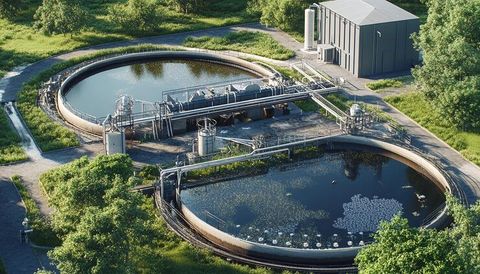
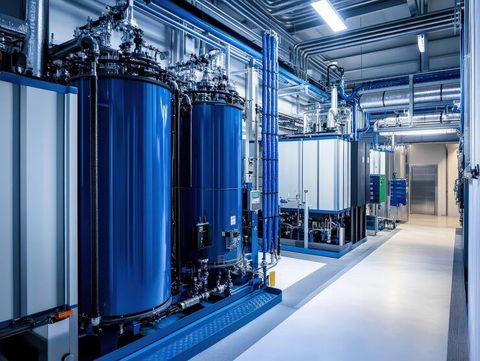
Industrial water recycling systems collect and treat previously used water for appropriate applications. Depending on water quality and treatment requirements, recovered water may be used for equipment cleaning, cooling towers, landscaping, or other non-potable purposes.
Industrial wastewater reuse equipment can include filtration units, sedimentation systems, membrane technologies, and treatment components. The required configuration depends on the original water source and intended reuse application.
Rainwater Harvesting Equipment
Rainwater harvesting systems collect rainfall from rooftops or other suitable surfaces. Typical components include collection pipes, gutters, filtration units, storage tanks, and distribution connections.
Rainwater harvesting equipment suppliers provide different configurations for residential buildings, commercial properties, and agricultural facilities. Proper filtration and storage practices are important for maintaining water quality.
Smart Water Meters and Leak Detection Devices
Smart water meters measure consumption and provide information about water usage patterns. Some models support digital monitoring, automated readings, and consumption alerts.
Water leak detection equipment identifies unusual flow patterns or potential leakage. These systems can help building managers investigate hidden leaks before they contribute to unnecessary water loss.
Efficient Irrigation Systems
Irrigation water efficiency systems include drip irrigation equipment, moisture sensors, pressure regulators, and automated controllers. These technologies help distribute water more accurately according to soil conditions and irrigation schedules.
They are particularly relevant to agricultural operations, nurseries, landscaping projects, and managed green spaces.
Equipment Comparison and Applications
The following table summarizes common equipment categories and their primary applications.
| Equipment Type | Main Function | Typical Application |
|---|---|---|
| Smart water meters | Monitor consumption | Buildings and industries |
| Rainwater systems | Collect rainfall | Homes and commercial properties |
| Recycling systems | Recover usable water | Industrial facilities |
| Leak detectors | Identify leakage | Plumbing networks |
| Drip irrigation | Control water distribution | Agriculture |
| Greywater systems | Reuse suitable wastewater | Residential buildings |
Selecting appropriate equipment requires consideration of water availability, usage patterns, installation requirements, and applicable water quality standards.
Factors to Consider When Selecting Equipment
Choosing suitable equipment involves evaluating technical requirements rather than focusing on product descriptions alone.
Capacity and Compatibility
Determine the expected water flow, daily consumption, and storage requirements. Equipment capacity should match the property's or facility's operational needs.
Compatibility with existing pipelines, pumps, electrical systems, and treatment infrastructure is also important.
Technology and Operating Requirements
Compare available monitoring features, filtration methods, automation capabilities, and maintenance requirements. Smart systems may provide useful operational information, while simpler mechanical equipment may suit applications with fewer monitoring needs.
Manufacturer Specifications
When comparing water conservation equipment manufacturers, review technical documentation, material specifications, installation instructions, warranty conditions, and available maintenance support.
These details help evaluate whether a particular system meets the intended application requirements.
Maintenance and Operating Considerations
Regular maintenance supports consistent equipment operation. Filters may require cleaning or replacement, storage tanks need periodic inspection, and sensors should be checked for accurate readings.
Pipelines, valves, pumps, and connections should also be examined for leakage or deterioration. Recycling systems may require additional monitoring of treatment performance and water quality.
Following manufacturer instructions and applicable local requirements helps maintain appropriate operating conditions.
Frequently Asked Questions
What equipment is commonly used for water conservation?
Common equipment includes smart water meters, leak detectors, rainwater harvesting systems, low-flow fixtures, recycling units, and efficient irrigation controllers.
What are industrial water recycling systems?
These systems collect and treat previously used water so that it can be reused for suitable industrial applications, depending on treatment quality.
How do smart water meters support water management?
Smart meters monitor water consumption and may provide digital readings, usage information, and alerts about unusual consumption patterns.
What should be checked before selecting water conservation equipment?
Consider capacity, compatibility, technical specifications, installation requirements, maintenance needs, and intended application.
Conclusion
Water conservation equipment supports responsible water management across residential, agricultural, commercial, and industrial environments. Technologies such as recycling systems, rainwater collection equipment, smart meters, and efficient irrigation devices address different consumption challenges. Understanding their functions and operating requirements helps individuals and organizations make informed decisions about water management infrastructure.