Learn Commercial Ice Production With Industrial Machinery and Processing Methods
Commercial ice manufacturing systems are industrial setups designed to produce, freeze, store, and distribute ice in large quantities.
A commercial ice manufacturing system generally includes a refrigeration unit, water supply, ice-forming mechanism, collection area, and storage equipment. The design depends on the required ice quantity, available space, water conditions, and intended application.
Businesses researching an industrial ice machine or commercial ice maker equipment should understand how production capacity, equipment configuration, and operating conditions influence overall system performance.
How Ice Manufacturing Works
The manufacturing process typically involves several stages:
Water preparation: Water passes through filtration systems when required to reduce unwanted particles.
Cooling: Refrigeration components lower the water temperature.
Ice formation: Water freezes inside designated molds, plates, or freezing cylinders.
Ice harvesting: The formed ice separates from the freezing surface.
Collection and storage: Finished ice moves into insulated storage containers or dedicated storage rooms.
The exact process varies according to the machine design and the type of ice being produced.
Importance of Commercial Ice Production
Reliable ice production plays an important role in industries that require temperature control and product preservation. Food distributors, seafood processors, restaurants, and beverage manufacturers use ice for different operational purposes.
Commercial ice manufacturing systems also help organizations manage regular production requirements. Instead of depending entirely on external ice supplies, facilities can organize production according to their daily consumption patterns.
For example, seafood processing facilities may require flake ice, while beverage establishments commonly use cube ice. Understanding these differences helps determine suitable equipment configurations.
Common Applications
Hospitality: Restaurants, hotels, and catering facilities use ice for beverages and food handling.
Food processing: Ice supports temperature management during selected food preparation activities.
Fisheries: Flake and block ice help maintain appropriate temperatures during seafood handling.
Healthcare: Certain facilities use specialized ice equipment for approved operational applications.
Industrial operations: Manufacturing facilities may require ice for specific cooling processes.
Types of Commercial Ice Manufacturing Equipment
Different machines produce different ice shapes and quantities. Equipment selection depends on the application, storage arrangements, and production schedule.
| Equipment Type | Ice Format | Common Application |
|---|---|---|
| Cube ice machine | Cubes | Restaurants and beverages |
| Flake ice machine | Thin flakes | Seafood and food processing |
| Block ice machine | Large blocks | Transportation and preservation |
| Tube ice machine | Hollow cylinders | Beverage and processing facilities |
| Plate ice machine | Flat pieces | Industrial cooling applications |
Production Capacity and Equipment Selection
Industrial ice maker capacity is an important consideration when evaluating equipment. Manufacturers generally specify production output over a 24-hour period under defined operating conditions.
Actual production can vary depending on ambient temperature, incoming water temperature, refrigeration performance, and equipment configuration.
Facilities should consider the following factors:
Daily ice consumption requirements.
Peak production demand.
Available storage capacity.
Water availability and quality.
Electricity requirements.
Installation space and ventilation.
An ice production machine should be selected according to realistic operational requirements rather than maximum production figures alone.
Equipment Components and Installation Considerations
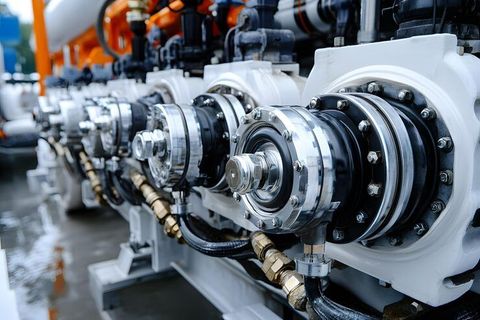
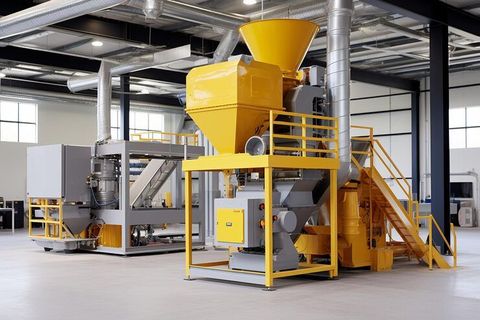
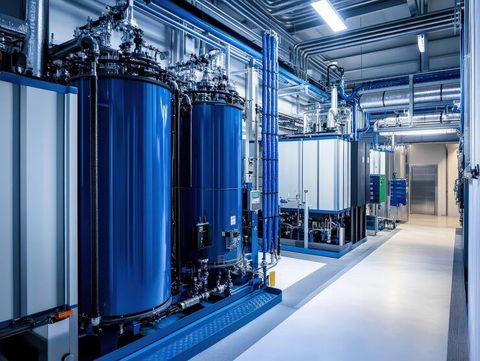
Ice plant equipment includes several connected components that support freezing, harvesting, storage, and distribution. Refrigeration compressors, condensers, evaporators, pumps, filters, and control panels are common system elements.
Each component performs a specific function. For example, compressors circulate refrigerant through the cooling system, while evaporators provide the surfaces or conditions required for ice formation.
Commercial Ice Machine Installation
Commercial ice machine installation requires suitable floor space, electrical connections, water access, drainage arrangements, and ventilation. Larger industrial systems may also require dedicated refrigeration areas and additional storage infrastructure.
Before installation, facilities generally evaluate:
Available building space and equipment dimensions.
Electrical supply and operating requirements.
Water treatment and drainage arrangements.
Ventilation and heat rejection requirements.
Access for inspection and maintenance.
Installation requirements differ between equipment models, so technical documentation should guide the process.
Factors Affecting Equipment Selection and Operating Expenses
Commercial ice machine price can vary according to production capacity, ice type, refrigeration technology, construction materials, automation features, and storage configuration.
Other operating expenses may include electricity consumption, water usage, filtration materials, replacement components, and routine inspections.
Comparing equipment specifications helps organizations understand the relationship between initial expenditure and long-term operating requirements. Manufacturers may provide technical information covering rated output, power consumption, dimensions, and recommended operating conditions.
Maintenance and Recent Technology Developments
Commercial ice machine maintenance supports equipment reliability and hygienic operation. Regular cleaning, water filtration checks, refrigeration inspections, and examination of electrical connections are important maintenance activities.
Modern commercial systems may also incorporate digital monitoring, automatic harvesting controls, programmable operating settings, and fault indicators. These features can help operators observe production conditions and identify certain equipment problems.
Maintenance schedules should follow manufacturer instructions and applicable hygiene requirements.
Frequently Asked Questions
What are commercial ice manufacturing systems?
They are refrigeration-based systems designed to produce different ice formats for commercial and industrial applications.
Which ice machine is suitable for food processing?
Flake ice and other specialized ice formats are commonly used, depending on processing requirements and handling conditions.
What determines industrial ice machine capacity?
Production capacity depends on machine design, refrigeration performance, water temperature, ambient conditions, and operating specifications.
How often should commercial ice equipment be maintained?
Inspection and cleaning frequency depends on equipment design, usage levels, water quality, and manufacturer recommendations.
Conclusion
Commercial ice manufacturing systems support numerous industries through controlled ice production and storage. Understanding equipment types, production capacity, installation requirements, and maintenance practices helps organizations evaluate their operational needs. Careful consideration of technical specifications and environmental conditions also supports informed equipment planning.