Royal Emerald Necklace Basics With Emerald Selection, Designs, and Care Tips
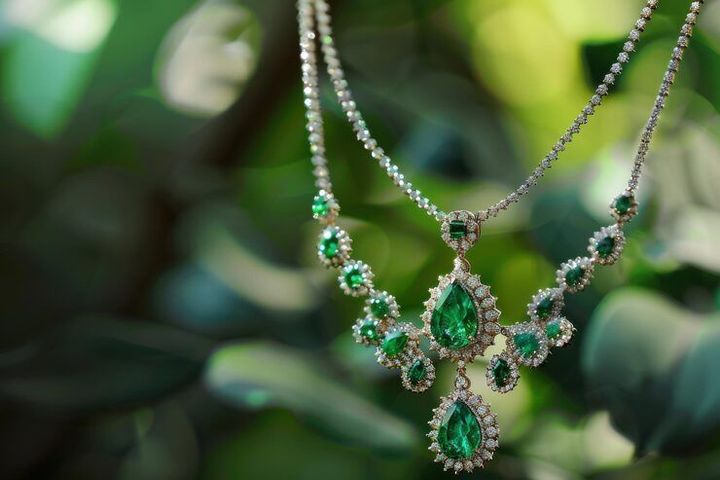
A royal emerald necklace is a jewelry design centered on emerald gemstones arranged in a necklace format. The term “royal” commonly describes a design language associated with formal occasions, historic jewelry traditions, elaborate settings, or combinations of emeralds with precious metals and other gemstones.
Emerald necklaces have a long history across different cultures, where green gemstones were used in ceremonial ornaments, personal adornment, and important jewelry collections.
Emerald is a variety of the mineral beryl and receives its green color mainly from trace amounts of chromium, vanadium, or both. Unlike many transparent gemstones, emeralds commonly contain internal characteristics known as inclusions. These features are sometimes called a jardin, a French term referring to the garden-like appearance that inclusions can create.
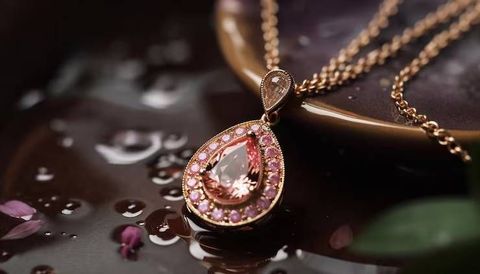
A royal emerald necklace may contain one large central emerald, a sequence of similarly shaped stones, graduated gemstones, or a combination of emeralds and diamonds. Designs can range from relatively simple necklaces with one pendant to elaborate multi-stone arrangements.
The metal used for the setting also affects the appearance of an emerald necklace. Gold, platinum, and other jewelry metals can create different visual effects around green gemstones. The setting needs to hold each stone securely while allowing the intended design to remain visible.
Understanding Emerald Characteristics
Emerald selection involves several characteristics rather than a single measurement. Color is particularly important because emeralds are generally valued for attractive green hues with suitable saturation and tone.
Clarity also needs careful consideration. Natural emeralds frequently contain inclusions, and their presence does not automatically indicate a problem. However, large fractures or characteristics that threaten durability can be more significant when assessing an individual stone.
Cut determines how the gemstone is shaped and how it interacts with light. The rectangular step-cut commonly associated with emeralds is known as an emerald cut, although emeralds can also appear in oval, pear, round, cushion, and other shapes.
Treatment is another important part of emerald information. Many emeralds undergo clarity enhancement using oils or other substances. Treatment can influence appearance and maintenance requirements, so documentation from a reputable gemological laboratory can be useful when evaluating a significant gemstone.
Importance
Understanding royal emerald necklaces matters because gemstone appearance, durability, setting design, treatment, and maintenance all influence how a necklace should be handled. Emerald is not as resistant to scratching as some other commonly used gemstones, so everyday handling requires attention.
The subject is relevant to jewelry collectors, people interested in gemstone history, individuals researching formal jewelry designs, and anyone learning how to identify emerald characteristics. It also helps readers understand why two necklaces with visually similar green gemstones may have different characteristics.
Emerald Selection
When examining an emerald, several factors can be considered together:
Color and saturation
Transparency and visible inclusions
Cut and proportions
Carat weight
Treatment information
Origin documentation when available
Condition of the gemstone
Quality of the surrounding setting
Color should be assessed under suitable lighting because artificial illumination can influence how green a gemstone appears. Looking at the stone from several angles can also reveal differences in transparency and inclusions.
Carat weight describes gemstone mass rather than visual quality. Two emeralds with the same weight can appear different because their shapes, proportions, color, and cutting styles vary.
Royal Emerald Necklace Designs
Necklace design determines how emeralds are arranged and how the piece sits around the neck. A pendant necklace may place a larger emerald at the center, while a graduated necklace may use stones that increase toward the middle.
Other common design approaches include:
Single emerald pendant arrangements
Graduated emerald necklaces
Emerald and diamond combinations
Cluster designs
Beaded emerald necklaces
Multi-row necklaces
Emerald station necklaces
Floral and geometric arrangements
Historic-inspired designs may use decorative metalwork, symmetrical layouts, and elaborate gemstone arrangements. Contemporary designs can use cleaner lines, fewer stones, or unusual settings while still retaining the visual character associated with emerald jewelry.
Setting and Metal Choices
The setting protects the edges and surfaces of gemstones while connecting them to the necklace structure. Prong, bezel, halo, and channel-style arrangements can create different appearances and levels of exposure around individual stones.
Metal selection also changes the visual relationship between the green gemstone and the surrounding material. Yellow gold can create a warm contrast, while white metals can produce a cooler appearance. The choice is primarily a matter of design, construction, and personal preference.
Recent Updates
From 2024 through 2026, the broader jewelry sector has continued to show interest in colored gemstones, heritage-inspired designs, gemstone documentation, and traceability. Emerald jewelry remains part of the wider colored gemstone market, while consumers and collectors increasingly encounter information about gemstone treatments, laboratory reports, and origin claims.
Greater Attention to Gemstone Documentation
Gemstone reports can provide information about whether a stone is natural or laboratory-created, along with observations about treatments and other characteristics. Laboratory terminology varies, so reports should be read carefully rather than relying only on a general description.
For significant emeralds, documentation can be particularly useful because treatment is common and can affect care requirements. A report may also distinguish between confirmed information and conclusions that cannot be established from testing alone.
Changing Necklace Designs
Modern jewelry design increasingly combines traditional gemstone shapes with contemporary layouts. Emerald necklaces may use asymmetrical arrangements, mixed gemstone combinations, removable pendants, or simplified settings alongside more elaborate heritage-inspired designs.
Designers also continue to explore different proportions. A necklace can use several smaller emeralds to create a continuous green pattern or place one larger gemstone at the center for visual emphasis.
Greater Interest in Traceability
Gemstone sourcing and supply-chain transparency have received increased attention across the jewelry sector. Information about gemstone origin can be complicated because geographic origin may require specialized laboratory analysis and is not always determinable with certainty.
Responsible sourcing discussions can also involve mining practices, environmental considerations, labor conditions, and documentation throughout the supply chain. These issues are separate from gemstone appearance and should not be inferred solely from a stone's color or visual characteristics.
Laboratory-Created Emeralds
Laboratory-created emeralds are also part of the modern gemstone market. They have essentially the same chemical composition and crystal structure as natural emeralds but are produced under controlled laboratory conditions.
Natural and laboratory-created emeralds should not be treated as interchangeable descriptions. Clear disclosure of gemstone type is important when a piece is described or documented.
Laws or Policies
Royal emerald necklaces are affected by jewelry disclosure requirements, consumer protection rules, gemstone treatment disclosure practices, import and export controls, and regulations concerning precious metals and gemstones. The exact requirements differ between countries and may also vary according to the transaction and gemstone origin.
Gemstone Disclosure
Jewelry descriptions may need to identify whether gemstones are natural, laboratory-created, treated, or imitation materials. Treatment information can be especially relevant for emeralds because many natural stones undergo clarity enhancement.
Terminology should accurately describe the gemstone. A colored stone should not be presented as an emerald if it is actually a different material, and laboratory-created material should not be described as naturally mined.
Precious Metal Information
Metal purity markings and disclosure requirements vary by jurisdiction. Jewelry made with gold, platinum, silver, or other regulated metals may need appropriate identification or hallmarking under local rules.
Consumers and collectors should distinguish between a decorative description and a formal metal-content designation. Applicable requirements depend on the country where jewelry is manufactured, imported, sold, or evaluated.
Import and Export Considerations
Gemstones and jewelry can be subject to customs documentation, trade restrictions, and origin-related requirements when crossing international borders. Certain gemstones or materials may receive additional scrutiny depending on their source and documentation.
These rules can change, so international jewelry transactions should be considered within the regulations applicable to the relevant countries.
Tools and Resources
Several tools can help people understand emerald jewelry without relying solely on visual impressions. A jeweler's loupe can provide a closer view of inclusions, surface condition, and setting details, although professional gemological examination provides more reliable identification.
Gemological laboratory reports can document selected characteristics of an emerald. Digital scales can measure jewelry weight, while calipers can record approximate gemstone dimensions.
Useful resources include:
Gemstone identification guides
Gemological laboratory reports
Jewelry care instructions
Loupe inspection tools
Digital gemstone scales
Jewelry measurement charts
Metal hallmark references
Ring and necklace sizing guides
Jewelry storage organizers
Insurance documentation records
Professional appraisal reports
A basic comparison of emerald characteristics can be represented as follows:
| Emerald Characteristic | What It Describes | Why It Matters |
|---|---|---|
| Color | Hue, tone, and saturation | Influences visual appearance |
| Clarity | Internal and surface characteristics | Helps describe the stone |
| Cut | Shape and proportions | Influences appearance and light behavior |
| Carat Weight | Gemstone mass | Indicates physical weight |
| Treatment | Enhancement applied to the stone | Affects disclosure and care |
| Origin | Geographic source when determinable | Provides additional identification information |
| Setting | Method used to secure the stone | Influences protection and design |
| Condition | Existing wear or damage | Relevant to handling and maintenance |
Emerald Necklace Care Tips
Emerald care requires a gentler approach than cleaning methods used for some harder gemstones. Emeralds may contain fractures or treatments that can react poorly to heat, pressure, or harsh chemicals.
For routine care, a soft cloth and mild cleaning approach are generally more appropriate than aggressive mechanical cleaning. Steam and ultrasonic cleaning can present risks for some emeralds, particularly stones with fractures or certain treatments.
A practical care routine can include:
Wiping the necklace gently with a soft cloth
Keeping emerald jewelry away from harsh chemicals
Avoiding unnecessary impacts against hard surfaces
Storing the necklace separately from harder gemstones
Checking the setting periodically for loose stones
Keeping treatment information with jewelry records
Removing jewelry before activities that could cause impact or abrasion
Professional inspection may be appropriate when a stone appears loose, the setting is damaged, or an emerald has experienced a significant impact.
FAQs
What is a royal emerald necklace?
A royal emerald necklace is a formal or elaborate necklace design featuring emerald gemstones. The term “royal” generally refers to the style, historical associations, or ornate character of the design rather than a specific gemstone classification.
How should emeralds be selected for a royal emerald necklace?
Emerald selection can consider color, clarity, cut, carat weight, treatment, condition, and available documentation. These characteristics should be evaluated together rather than using a single factor.
What are common royal emerald necklace designs?
Common designs include central pendant arrangements, graduated necklaces, emerald and diamond combinations, cluster patterns, multi-row styles, and geometric or floral layouts.
How should a royal emerald necklace be cleaned?
Emerald jewelry should generally be handled gently. A soft cloth and mild cleaning approach can be used for routine care, while steam or ultrasonic cleaning may be unsuitable for some treated or fractured emeralds.
Why is emerald treatment important when examining a necklace?
Treatment can affect the appearance, durability, and maintenance requirements of an emerald. Documentation can help identify whether a gemstone has received clarity enhancement or another treatment.
Conclusion
Royal emerald necklaces combine gemstone characteristics, necklace construction, metalwork, and design traditions. Emerald selection involves color, clarity, cut, weight, treatment, condition, and available documentation. Recent jewelry trends include contemporary interpretations of traditional designs, increased attention to gemstone documentation, and greater awareness of traceability and laboratory-created materials. Careful handling is important because emeralds can be affected by impact, harsh chemicals, heat, and certain cleaning methods.