Explore Matching Couples Bands With Personalized Styles and Unique Design Ideas
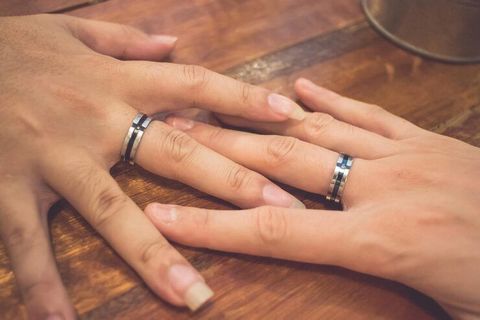
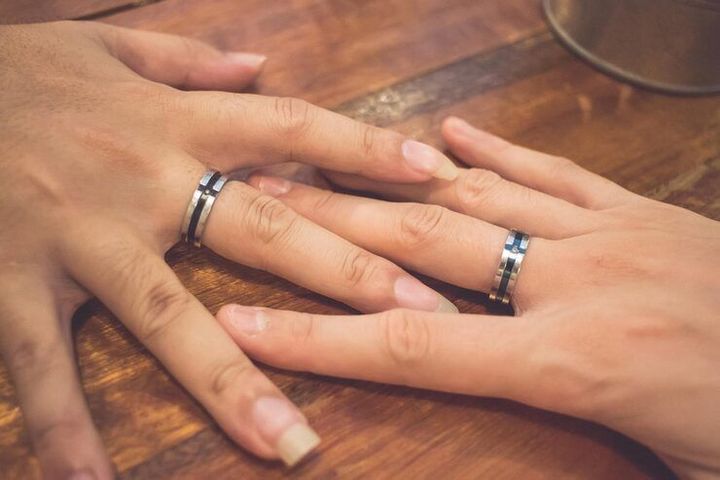
Matching couples bands are coordinated pieces of jewellery worn by two people to represent their relationship, shared memories, and personal connection. They are designed with similar patterns, complementary details, engraved messages, or matching materials.
Couples bands have become a popular way to express commitment, celebrate important milestones, and create a personal symbol that both partners can wear regularly.
The tradition of exchanging rings has existed across different cultures for centuries. Rings have often represented commitment, unity, and continuity because of their circular shape. Over time, jewellery designs evolved, allowing couples to choose coordinated bands that reflect their individual preferences while maintaining a shared visual theme.
Today, matching couples bands are available in different metals, finishes, widths, and design styles. Some feature identical patterns, while others use separate designs that form a complete concept when placed together. Personalised engraving and custom details also allow couples to connect their jewellery with meaningful experiences.
What Are Matching Couples Bands?
Matching couples bands are two coordinated rings or bands created for partners. They may look identical or contain complementary design elements that connect them visually.
Unlike traditional wedding rings, matching couples bands are not limited to marriage. They may represent dating relationships, engagements, anniversaries, long-term partnerships, or personal milestones.
Common design features include:
Matching metal finishes: Both bands use the same metal, colour, and surface texture.
Complementary patterns: Each band contains a different part of a connected design.
Personalised engraving: Names, initials, dates, or short meaningful messages appear inside or outside the bands.
Symbolic details: Hearts, infinity symbols, stars, or geometric patterns represent shared meanings.
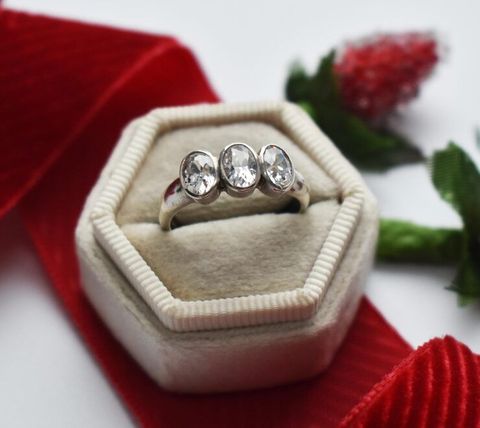
Coordinated gemstones: Both rings include similar stones or complementary gemstone arrangements.
Popular Materials Used in Couples Bands
The material influences a band's appearance, durability, maintenance requirements, and suitability for everyday use.
Some commonly used materials include:
Gold: Available in yellow, white, and rose shades, gold is widely used for traditional and contemporary jewellery.
Platinum: A naturally white precious metal known for its density and durability.
Sterling silver: A popular metal for simple designs, textured finishes, and everyday jewellery.
Titanium: A lightweight metal used in modern and minimalist ring designs.
Tungsten carbide: Known for its hardness and scratch resistance, although it can be more difficult to resize.
Stainless steel: Used for contemporary bands with a simple metallic appearance.
Material selection should consider skin sensitivity, maintenance preferences, lifestyle, and the intended frequency of wear.
Importance of Matching Couples Bands in Modern Relationships
Matching couples bands have personal and emotional significance because they provide a shared symbol that partners can wear independently. They can represent commitment without requiring identical personalities, fashion preferences, or jewellery styles.
For many couples, coordinated jewellery also creates a connection to meaningful experiences. An engraved date may represent the beginning of a relationship, while a particular symbol may remind partners of a shared journey or important event.
Personal Expression Through Coordinated Jewellery
Modern couples often prefer jewellery that reflects their individual identities. Matching bands make it possible to combine a shared theme with different design preferences.
For example, one partner may prefer a narrow polished band, while the other chooses a wider brushed-metal design. Both can still share the same metal colour, engraving, or decorative detail.
This approach allows jewellery to represent a relationship while maintaining personal style.
Occasions for Wearing Matching Couples Bands
Matching bands are associated with several personal and social occasions.
Anniversaries: Couples may exchange coordinated bands to recognise an important relationship milestone.
Engagements: Matching designs can complement traditional engagement rings.
Weddings: Partners may choose bands with similar finishes or connected engravings.
Relationship milestones: Couples may use jewellery to mark a meaningful stage in their relationship.
Personal celebrations: Birthdays, memorable trips, and other shared experiences can inspire coordinated jewellery.
Emotional and Practical Considerations
Choosing matching couples bands involves more than selecting an attractive design. The rings should also suit the partners' everyday activities and comfort preferences.
Important considerations include ring width, weight, internal shape, metal sensitivity, and exposure to water or chemicals. People who regularly work with their hands may prefer simpler designs without raised stones or sharp decorative edges.
Recent Trends in Matching Couples Bands and Personalised Designs
Matching couples bands continue to develop through changes in jewellery design, personalisation, material selection, and digital customisation. Current trends across the 2024–2026 period show greater interest in individual expression and coordinated designs rather than identical rings.
Minimalist and Contemporary Band Designs
Minimalist couples bands feature clean shapes, smooth surfaces, and limited decoration. These designs are often selected by people who prefer jewellery that can be worn with different outfits and on various occasions.
Popular design details include:
Narrow and lightweight bands.
Matte and brushed metal finishes.
Simple geometric patterns.
Subtle engraved lines.
Two-tone metal combinations.
These designs focus on shape, material, and small decorative details rather than elaborate ornamentation.
Personalised Engraving and Symbolic Details
Personalised engraving remains an important feature of couples jewellery. Partners can include initials, meaningful dates, short phrases, or symbols that represent their relationship.
Some designs also use complementary inscriptions. One band may contain the beginning of a phrase, while the second carries the remaining words. This creates a connected design without making both rings visually identical.
Mixed Metals and Alternative Materials
Jewellery designs increasingly combine different metal colours and materials. Rose gold paired with white gold, silver with darker finishes, and mixed-metal patterns provide different visual effects.
Alternative materials such as titanium and tungsten carbide are also used in contemporary couples bands. Their weight, hardness, appearance, and resizing limitations should be considered before choosing them.
Digital Jewellery Design and Customisation
Digital design tools allow jewellery designers to create detailed ring models before manufacturing. Three-dimensional computer-aided design (CAD) software can display different widths, finishes, engraving positions, and gemstone arrangements.
Some jewellery platforms also provide digital previews that help customers understand how coordinated designs may appear together. Final appearance can differ slightly depending on manufacturing techniques and the actual materials used.
Laws and Policies Affecting Couples Jewellery in India
Jewellery purchasing and manufacturing in India are influenced by consumer protection rules, hallmarking requirements, precious metal standards, and applicable tax regulations. These policies help establish transparency regarding metal purity, product information, and consumer rights.
BIS Hallmarking Requirements
The Bureau of Indian Standards (BIS) operates India's hallmarking framework for specified precious metal jewellery and artefacts.
Gold jewellery covered by applicable hallmarking requirements carries identifying information that helps establish its purity. Consumers should understand the difference between metal purity, hallmark identification, and other product markings.
Platinum and silver jewellery may also be subject to relevant standards and certification arrangements. Applicable requirements depend on the metal and product category.
Consumer Protection Regulations
The Consumer Protection Act, 2019, establishes a legal framework for addressing consumer rights and misleading trade practices in India.
For couples bands, relevant considerations include:
Accurate descriptions of metal type and purity.
Clear information about gemstones and other materials.
Transparent product specifications.
Accurate representations of custom engraving.
Appropriate disclosure of applicable terms and conditions.
Customers should check whether a ring is made from solid precious metal, a metal alloy, or a plated material because these categories have different characteristics.
Jewellery Labelling and Tax Considerations
Jewellery descriptions should provide accurate information about materials, purity, and relevant product characteristics. Applicable GST provisions also affect jewellery transactions in India.
The tax treatment may depend on the nature of the transaction and the applicable classification. Regulatory requirements can change, so current provisions should be considered when assessing a particular purchase.
Tools and Resources for Choosing Matching Couples Bands
Several digital and practical resources help couples explore jewellery designs, compare materials, and understand ring measurements.
Ring Size Measurement Tools
Accurate ring sizing is important for comfort and everyday wear. Ring size charts, printable measurement guides, and professional ring-sizing instruments can help determine suitable dimensions.
Measurements should account for finger shape, temperature changes, and the band's width. Wider rings may feel tighter than narrow bands of the same nominal size.
Jewellery Design and Visualisation Software
Computer-aided design software helps jewellery designers create detailed models of couples bands. These platforms can display:
Ring width and thickness.
Metal colours and combinations.
Engraving placement.
Gemstone positioning.
Surface textures and finishes.
Complementary design elements.
Digital previews help communicate design preferences before the manufacturing stage.
Metal and Material Comparison Resources
Metal comparison charts help explain differences between gold, platinum, silver, titanium, tungsten carbide, and stainless steel.
Useful comparison factors include hardness, weight, corrosion resistance, maintenance, skin sensitivity, and resizing possibilities.
Personalisation Planning Templates
A simple design worksheet can help partners organise their preferences before finalising a coordinated design.
| Design Element | Options to Consider | Purpose |
|---|---|---|
| Metal | Gold, platinum, silver, titanium | Determines appearance and material properties |
| Finish | Polished, matte, brushed | Defines surface appearance |
| Width | Narrow, medium, wide | Influences fit and visual style |
| Engraving | Initials, dates, short phrases | Adds personal meaning |
| Pattern | Geometric, symbolic, plain | Creates a shared design theme |
| Gemstones | Diamond or coloured stones | Adds decorative detail |
Frequently Asked Questions About Matching Couples Bands
What Are Matching Couples Bands?
Matching couples bands are coordinated rings worn by two partners. They may share the same metal, pattern, engraving, or symbolic details to represent their relationship and personal connection.
What Are Some Unique Design Ideas for Matching Couples Bands?
Popular ideas include complementary engravings, two-tone metals, connected geometric patterns, matching birthstones, minimalist bands, and rings with meaningful dates or initials.
Which Materials Are Suitable for Matching Couples Bands?
Common materials include gold, platinum, sterling silver, titanium, tungsten carbide, and stainless steel. Selection depends on appearance, durability, maintenance requirements, comfort, and personal preferences.
Can Matching Couples Bands Have Different Designs?
Yes. Couples bands can have different widths, finishes, patterns, and decorative elements while sharing a common design feature. This allows each partner to maintain an individual style.
How Do You Choose the Correct Ring Size for Couples Bands?
Ring sizing involves measuring the finger circumference or diameter using an appropriate sizing tool. Both partners should measure separately because finger sizes differ, and wider bands may require additional fitting consideration.
Conclusion
Matching couples bands combine coordinated jewellery designs with personal meaning and individual style. Different metals, engravings, finishes, and symbolic details allow partners to create designs that reflect shared experiences. Recent jewellery trends show increasing interest in minimalist designs, mixed materials, and digital customisation. Material selection, accurate sizing, hallmarking, and product information are important considerations when understanding couples bands.