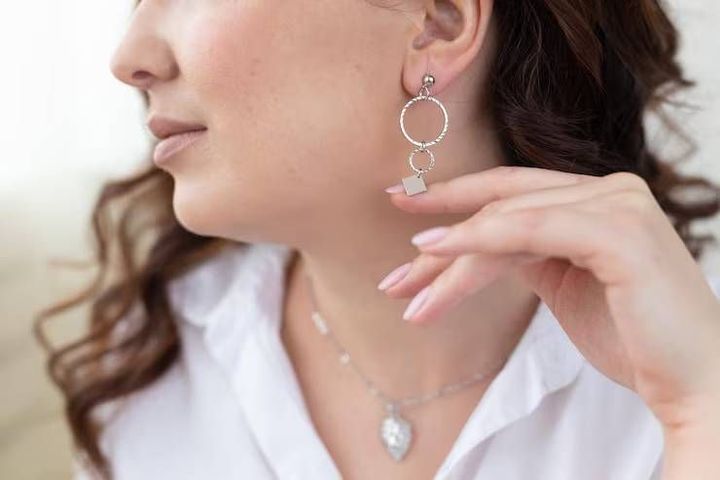
Explore Pearl Earrings With Elegant Designs and Jewelry Selection Tips
Pearl earrings are jewelry pieces that use natural or cultured pearls as their central decorative element. They have been worn across many cultures for centuries and remain associated with formal dressing, everyday styling, ceremonies, and personal jewelry collections.
Today, pearl earrings are available in many shapes, colors, settings, and metal combinations, making selection a matter of understanding both pearl characteristics and design preferences.
Pearls form when layers of nacre develop around an irritant within certain mollusks. Natural pearls form without deliberate human intervention, while cultured pearls develop through a managed process in which a nucleus or tissue is introduced into the mollusk. Most pearls available in contemporary jewelry markets are cultured.
Pearl earrings can use freshwater, Akoya, Tahitian, South Sea, or other pearl varieties. Each category can differ in size, shape, surface characteristics, color, luster, and formation environment. These differences help explain why two earrings with similar appearances may have different characteristics.
The setting also influences the appearance of pearl earrings. Common designs include simple studs, drop earrings, hoops with pearl accents, dangle earrings, and cluster arrangements. Metal choices can include gold, silver, platinum, or other jewelry materials, depending on the design.
Understanding Pearl Characteristics
Several characteristics are commonly considered when examining pearls. Luster refers to the quality and intensity of reflected light from the pearl's surface. A pearl with strong luster can appear bright and reflective, while a pearl with softer luster may have a more muted appearance.
Surface quality describes the presence or absence of visible marks, spots, bumps, or other natural characteristics. Pearls are organic gemstones, so completely uniform surfaces are uncommon.
Other characteristics include:
Size, measured by diameter
Shape, ranging from round to baroque
Color and body tone
Overtone, or secondary color visible across the surface
Nacre thickness
Luster
Surface condition
Matching between multiple pearls
These characteristics are useful when comparing different pearl earrings without relying only on appearance.
Common Pearl Earring Designs
Pearl studs are among the simplest designs. A single pearl is mounted on a post, creating a compact style suitable for many types of clothing. Drop earrings place one or more pearls below the earlobe and can create more visible movement.
Dangle earrings may incorporate pearls with chains, metal shapes, gemstones, or multiple decorative elements. Hoop designs can use pearls positioned around part or all of a metal hoop.
Cluster earrings combine several pearls or decorative elements into a grouped arrangement. The design may use pearls of similar size or intentionally combine different shapes for a more contemporary appearance.
Importance
Pearl earrings matter because jewelry selection involves more than visual appearance. Understanding pearl type, quality characteristics, setting materials, maintenance requirements, and design proportions can help people interpret product descriptions and compare jewelry more accurately.
Pearl jewelry can also have cultural and personal significance. It may be associated with ceremonies, family traditions, professional clothing, celebrations, or everyday personal style.
Choosing a Pearl Type
Pearl type is one of the first factors to understand. Freshwater pearls are commonly cultivated in freshwater environments and can appear in a wide range of shapes and colors. Akoya pearls are associated with relatively round forms and bright luster.
Tahitian pearls are known for darker body colors and can display green, blue, gray, or other overtones. South Sea pearls are generally associated with larger pearl sizes and white, cream, silver, or golden tones.
These categories are broad rather than absolute. Individual pearls can vary substantially within the same category.
Matching Pearl Earrings
When earrings contain two pearls, matching becomes important. Matching considers more than diameter. The pearls can also be compared for:
Color
Shape
Luster
Surface characteristics
Size
Overtone
Overall visual balance
Small differences are natural because pearls are formed by biological processes. A pair does not necessarily need to be perfectly identical to create a visually coordinated appearance.
Selecting a Suitable Design
Face shape, hairstyle, clothing, occasion, and personal preference can influence earring selection. Studs generally create a compact appearance, while longer designs create more movement around the face.
The size of the pearl should also relate to the overall earring design. A large pearl attached to a very delicate setting can create a different visual effect from the same pearl used in a larger decorative arrangement.
For everyday use, lightweight designs may be more comfortable for extended periods. For formal occasions, larger designs or additional decorative elements may create a more noticeable appearance.
Metal and Setting Considerations
The metal surrounding a pearl affects both appearance and durability. White metals can create a cool visual contrast, while yellow or rose-colored metals can create a warmer appearance.
The setting should hold the pearl securely while protecting areas that may be vulnerable to impact. Earring posts, backs, clasps, and connecting components should also be examined for construction quality and compatibility with regular wear.
People with known metal sensitivities may need to check the specific metal composition before selecting earrings. Jewelry descriptions should clearly identify the materials used wherever possible.
Recent Updates
From 2024 through 2026, pearl jewelry has continued to appear across traditional and contemporary jewelry designs. Current styling trends include combinations of classic pearl shapes with modern settings, mixed materials, asymmetrical arrangements, and designs intended for both formal and everyday clothing.
Contemporary Pearl Designs
Modern pearl earrings increasingly combine traditional pearl forms with geometric metal shapes, textured surfaces, colored gemstones, and unconventional arrangements. Baroque pearls are also used in designs where irregular shapes are treated as part of the visual character.
Asymmetrical earrings can use two related but non-identical designs within one pair. This approach creates a contemporary appearance while retaining pearls as the primary decorative element.
Sustainable Jewelry Considerations
Interest in material sourcing and production practices has also influenced jewelry discussions. Cultured pearls can be traced through farming and processing stages, while metal sourcing and manufacturing practices vary among producers.
Consumers may encounter information about recycled metals, responsible sourcing, traceability, and production transparency. Such claims need to be evaluated based on the documentation and standards associated with a particular piece rather than assumed from general marketing language.
Digital Jewelry Selection
Online jewelry presentation increasingly uses detailed photography, magnified product views, videos, digital sizing information, and virtual styling tools. These resources can help people examine pearl shape, luster, setting details, and proportions before making a selection.
However, photographs can be affected by lighting, camera settings, screen displays, and image processing. Natural pearls can also appear different under different lighting conditions, so written specifications remain important when assessing jewelry information.
Laws or Policies
Pearl earrings are subject to consumer protection, jewelry labeling, precious-metal marking, import, taxation, and material disclosure rules that vary by jurisdiction. There is no single worldwide regulation covering every pearl jewelry transaction.
Pearl Disclosure
Jewelry descriptions may need to distinguish between natural pearls, cultured pearls, imitation pearls, and other materials depending on local rules. Clear terminology helps consumers understand whether a pearl is naturally formed, cultured, or simulated.
Imitation pearls are manufactured materials designed to resemble genuine pearls. They can be made from glass, plastic, shell, ceramic, or other materials and should not be confused with natural or cultured pearls.
Precious-Metal Marking
Where earrings contain precious metals, some jurisdictions require purity marks or other identification. Gold, silver, and platinum may have different marking systems depending on the country.
A metal stamp can provide useful information, but its interpretation depends on the applicable marking system. Jewelry documentation can provide additional details about metal composition and pearl characteristics.
Consumer Protection
Consumer protection rules can address accurate product descriptions, material disclosure, pricing information, returns, warranties, and misleading representations. The precise requirements differ according to location and transaction type.
Pearl grading terminology is also not completely standardized across every jewelry business. Buyers should therefore examine the actual specifications behind terms used to describe pearl quality rather than assuming that a particular adjective has a universal technical meaning.
Tools and Resources
Several tools can help people understand pearl earrings and compare designs. Pearl size charts can explain how diameter affects appearance, while jewelry measurement guides can help readers understand earring dimensions.
Pearl identification references can explain differences between freshwater, Akoya, Tahitian, South Sea, natural, cultured, and imitation pearls. Metal purity references can help interpret commonly used markings.
Useful resources include:
Pearl size and measurement charts
Jewelry metal purity references
Pearl identification guides
Earring dimension diagrams
Ring and jewelry measurement tools
Jewelry care instructions
Pearl storage guides
Gemological reference materials
Product specification sheets
Digital jewelry visualization tools
Inventory and jewelry catalog systems
A simplified comparison of pearl types can provide a general starting point:
| Pearl Type | Common Characteristics | Typical Appearance |
|---|---|---|
| Freshwater | Broad range of shapes and colors | White, cream, pastel, or varied tones |
| Akoya | Often round with bright luster | White, cream, and subtle overtones |
| Tahitian | Naturally dark body colors | Gray, green, blue, or darker tones |
| South Sea | Often larger pearl sizes | White, cream, silver, or golden tones |
| Natural | Formed without deliberate cultivation | Wide variation in shape and appearance |
| Imitation | Manufactured to resemble pearls | Appearance varies by material |
The table provides general information rather than a method for authenticating an individual pearl. Professional gemological testing may be needed when precise identification is important.
FAQs
What should I look for when choosing pearl earrings?
Important factors include pearl type, luster, surface characteristics, size, shape, color, matching, metal composition, setting construction, and intended use. Personal style and comfort are also relevant.
What are the main pearl earring designs?
Common designs include pearl studs, drop earrings, dangle earrings, hoops with pearl accents, and cluster earrings. Contemporary designs may combine different pearl shapes, metals, gemstones, or asymmetrical arrangements.
Are freshwater pearls suitable for pearl earrings?
Freshwater pearls are widely used in earrings and can appear in many shapes, sizes, and colors. Individual characteristics vary, so the specific pearl should be assessed rather than judged only by its category.
How can I compare pearl earrings?
Compare pearl type, diameter, luster, shape, surface characteristics, color, matching, metal composition, setting, and overall dimensions. Product specifications and clear photographs can provide useful information, while professional examination may be appropriate for detailed identification.
How should pearl earrings be cared for?
Pearls should generally be protected from impacts, prolonged exposure to chemicals, excessive moisture, and abrasive materials. They can be kept separately from harder jewelry pieces to reduce the possibility of surface scratching.
Conclusion
Pearl earrings combine naturally formed or cultured pearls with metal settings and a wide range of jewelry designs. Selection involves understanding pearl type, luster, surface characteristics, size, shape, matching, metal composition, and earring construction. Recent designs include traditional studs alongside contemporary, asymmetrical, geometric, and mixed-material arrangements. Jewelry labeling and consumer protection requirements vary by jurisdiction, making clear material and pearl descriptions important when evaluating individual pieces.