Remote Monitoring Systems Guide With Real-Time Monitoring and Automation Insights
Remote monitoring systems are technologies that collect information from equipment, buildings, vehicles, production environments, networks, or other assets and make that information available from a distant location. Instead of requiring a person to remain beside a machine or repeatedly inspect a physical site, sensors and connected devices can gather data continuously and transmit it to a monitoring platform.
The development of remote monitoring systems is closely connected with industrial automation, telecommunications, sensor technology, cloud computing, and the Internet of Things. Earlier monitoring arrangements often depended on local control panels and manual inspections. Modern systems can combine sensors, wireless communication, software dashboards, alerts, data storage, and automated responses within one connected environment.
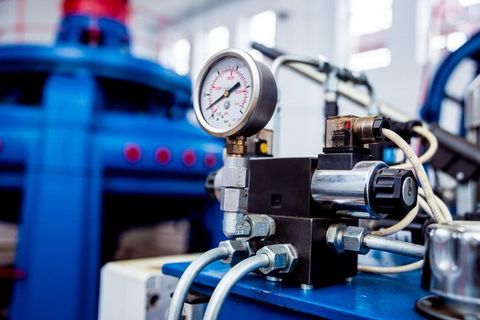
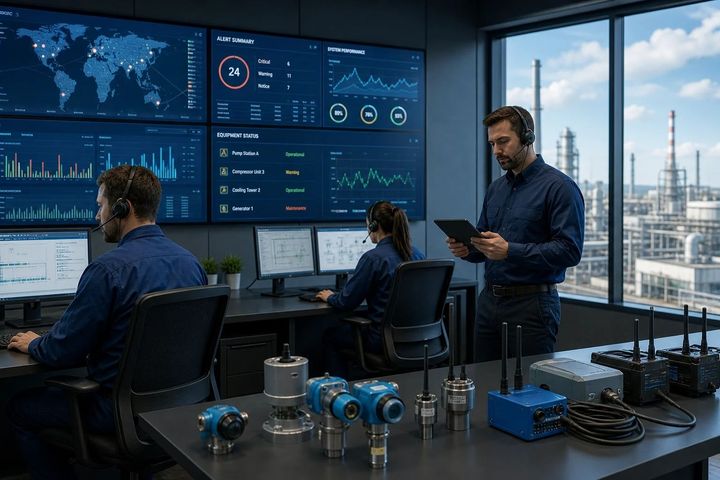
A typical remote monitoring system has several basic parts. Sensors measure conditions such as temperature, pressure, vibration, humidity, energy consumption, location, or operating status. A gateway or communication device transfers the information, while monitoring software organizes the data into dashboards, reports, notifications, and historical records.
Remote monitoring can be used in manufacturing plants, warehouses, commercial buildings, energy facilities, agriculture, transportation, water infrastructure, laboratories, and many other environments. The same general concept can also apply to computer networks and digital infrastructure, where software continuously observes system activity and operating conditions.
How Remote Monitoring Works
The process generally follows a sequence from physical measurement to digital analysis. Sensors first capture information from an asset or environment. That information travels through a communication network to a local gateway, server, or cloud-based platform.
The monitoring platform then processes the incoming information. Users may see current readings, historical trends, equipment status, alarms, and other indicators through a computer or mobile interface.
Automation can add another layer to this process. For example, if a sensor detects that a temperature has moved beyond a defined range, the system can generate an alert or initiate a predefined control action when the connected equipment supports that function.
Importance
Remote monitoring systems matter because many modern operations contain equipment and processes that require continuous observation. Physical inspection alone can be difficult when assets are spread across multiple locations, operate continuously, or exist in environments that are difficult for people to access.
Real-time monitoring can provide information while an event is occurring rather than only after an inspection has been completed. This can help operators understand changing conditions and identify unusual readings earlier.
Who Uses Remote Monitoring Systems
Different industries use remote monitoring according to their operational requirements. Common applications include:
- Manufacturing plants for machine condition and production monitoring
- Buildings for temperature, air quality, energy, and equipment status
- Agriculture for soil, weather, irrigation, and environmental measurements
- Transportation for vehicle location and operating conditions
- Energy facilities for equipment status and electrical measurements
- Water infrastructure for flow, pressure, level, and equipment conditions
- Data centers for temperature, power, network, and hardware monitoring
For general users, the technology can also appear in connected home equipment, security systems, vehicle tracking, and environmental monitoring devices.
Problems Addressed by Real-Time Monitoring
Manual inspection can provide useful information but may only represent conditions at the moment of inspection. Remote monitoring systems can collect information at defined intervals or continuously, depending on the equipment and system design.
They can also reduce the amount of information that operators must review manually. Instead of examining every reading, users can configure dashboards and alerts around selected operating ranges.
Another important function is historical analysis. Stored measurements can reveal patterns over time, making it easier to compare normal operating behavior with unusual changes.
Remote Monitoring and Automation
Remote monitoring and automation are related but are not identical. Monitoring focuses on observing and reporting conditions, while automation can use predefined rules to trigger actions.
| System Function | Main Purpose | Typical Example |
|---|---|---|
| Sensor | Measure a physical condition | Temperature measurement |
| Gateway | Transfer collected data | Wireless data transmission |
| Dashboard | Display information | Equipment status screen |
| Alert system | Notify users of conditions | High-pressure notification |
| Data storage | Preserve historical records | Monthly equipment readings |
| Automation controller | Execute predefined actions | Adjusting connected equipment |
| Analytics software | Identify patterns | Trend and anomaly analysis |
A carefully designed system can combine these functions while maintaining clear separation between measurement, analysis, alerts, and control.
Recent Updates
Remote monitoring technology has continued to develop as connected sensors, edge computing, artificial intelligence, wireless networks, and cloud platforms become more widely integrated. The general direction from 2024 through 2026 has been toward systems that can process more information closer to where it is generated.
Edge Monitoring
Edge computing allows some data processing to take place near the sensors or equipment instead of sending every measurement to a distant server. This can reduce communication requirements and allow certain alerts to be generated locally.
Edge monitoring is particularly useful when equipment produces large quantities of information or when rapid response is important. A local device can analyze selected measurements and transmit relevant information to a central platform.
AI-Assisted Monitoring
Artificial intelligence and machine learning are increasingly being incorporated into monitoring platforms. These technologies can examine historical and current data to identify patterns, unusual behavior, or potential anomalies.
AI-assisted monitoring does not remove the need for human oversight. Data quality, sensor accuracy, system configuration, and the operating environment all affect the usefulness of automated analysis.
Wireless Connectivity
Modern remote monitoring systems can use several communication technologies, including cellular networks, Wi-Fi, Ethernet, Bluetooth, satellite communication, and specialized low-power wireless protocols.
The appropriate connection depends on factors such as location, power availability, required data volume, coverage, and communication reliability. Remote areas may require different arrangements from a connected industrial facility.
Cybersecurity Development
As monitoring systems become more connected, cybersecurity has become an important design consideration. Current approaches increasingly include stronger authentication, encrypted communication, access controls, software updates, network segmentation, and device management.
Organizations also need to consider what information is collected, where it is stored, who can access it, and how long it should be retained.
Laws or Policies
Remote monitoring systems can be affected by several categories of rules, and the exact requirements depend on the country, industry, type of data, and location of the equipment. Because no specific target country was provided, the following principles describe the regulatory landscape generally rather than one national framework.
Data Protection and Privacy
If a monitoring system collects information that can identify an individual, privacy and data protection rules may apply. Examples can include location information, access records, employee-related data, video footage, or device information associated with identifiable users.
Organizations may need appropriate policies covering data collection, access, storage, retention, and disclosure.
Cybersecurity Requirements
Some industries have cybersecurity rules or sector-specific requirements for connected infrastructure. Critical infrastructure, energy, healthcare, transportation, telecommunications, and financial systems may face additional obligations.
Monitoring platforms connected to operational equipment should therefore be designed with security controls appropriate to their environment.
Workplace and Industrial Rules
Industrial monitoring may also interact with workplace safety, machinery, electrical, environmental, or operational regulations. Monitoring data can support compliance activities, but the system itself does not automatically establish regulatory compliance.
Organizations should assess the rules that apply to their particular equipment and operating environment.
Tools and Resources
Several categories of tools can help users understand, configure, or evaluate remote monitoring systems.
Monitoring Platforms
Monitoring dashboards display live readings, historical information, equipment status, alerts, and system events. Platforms may be designed for industrial equipment, buildings, information technology infrastructure, fleet operations, or environmental monitoring.
Sensor Configuration Tools
Sensor manufacturers and engineering platforms commonly provide configuration utilities for setting measurement intervals, communication parameters, alarm thresholds, and device identification.
Data Analysis Tools
Spreadsheet applications, database systems, visualization platforms, and analytics software can be used to examine monitoring records. Common analysis methods include trend comparison, threshold analysis, averages, historical comparisons, and anomaly identification.
Documentation and Templates
System documentation can include sensor lists, network diagrams, asset registers, alert rules, maintenance records, and data-retention policies. These documents help establish a clear relationship between physical equipment and its digital monitoring information.
Planning Considerations
Before implementing a monitoring arrangement, organizations commonly evaluate:
- What conditions need to be measured
- How frequently measurements are required
- Where sensors should be installed
- Which communication method is appropriate
- How alerts should be configured
- Where monitoring data should be stored
- Who should have access
- How cybersecurity will be managed
- How long historical information should be retained
A structured approach helps prevent unnecessary data collection and makes system behavior easier to understand.
FAQs
What is a remote monitoring system?
A remote monitoring system collects information from equipment or environments and makes that information available from another location. It commonly combines sensors, communication networks, software dashboards, alerts, and data storage.
How does real-time monitoring work?
Real-time monitoring uses connected sensors and communication equipment to transmit measurements with little delay. A monitoring platform processes the incoming information and can display current conditions or generate alerts when predefined thresholds are reached.
What are remote monitoring systems used for?
Remote monitoring systems are used for equipment condition, environmental measurements, energy usage, building operations, transportation, industrial processes, infrastructure, and digital networks. Their specific functions depend on the equipment and operating environment.
Can remote monitoring systems support automation?
Yes. Remote monitoring can be connected with automation controllers that respond to predefined conditions. For example, a system may trigger an approved control action when a sensor detects a specified operating condition.
Are remote monitoring systems secure?
Security depends on system architecture, device configuration, communication methods, software controls, and operational practices. Authentication, encryption, access management, software updates, and network controls are commonly used to reduce cybersecurity risks.
Conclusion
Remote monitoring systems combine sensors, communication technologies, software, and data analysis to provide information about equipment or environments from distant locations. Real-time monitoring can improve visibility into changing conditions, while automation can execute predefined actions when appropriate. Developments in edge computing, AI-assisted analytics, wireless connectivity, and cybersecurity are shaping current monitoring technologies. Regulatory requirements vary according to location, industry, and the type of information or equipment being monitored.