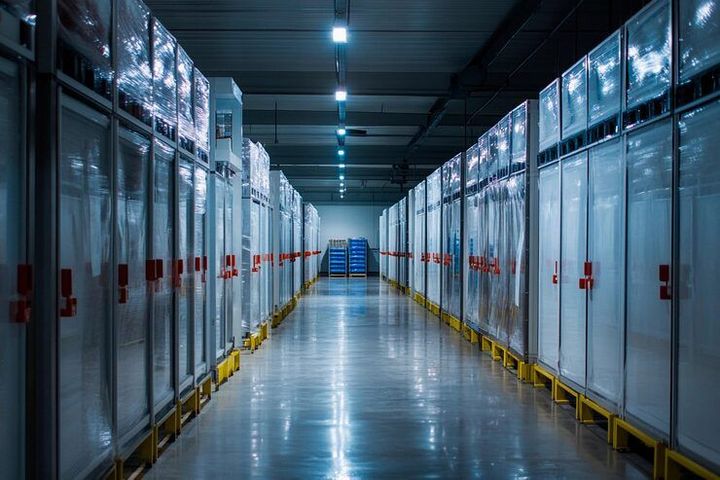
Refrigerated Storage Logistics Information With Cold Chain Planning and Efficiency
Refrigerated storage logistics is an important part of modern supply chain management. It involves storing, handling, transporting, and distributing temperature-sensitive products under controlled environmental conditions.
The process is commonly known as cold chain logistics because products remain within an appropriate temperature range throughout their movement from production facilities to final destinations.
The development of refrigerated storage logistics is closely connected to the growth of food processing, international trade, pharmaceutical distribution, and modern transportation. Before advanced refrigeration systems became widely available, transporting perishable products over long distances was difficult because exposure to unsuitable temperatures could reduce product quality and shorten shelf life.
Today, refrigerated warehouses, temperature-controlled trucks, insulated containers, and monitoring technologies help maintain suitable storage conditions. These systems support the movement of products such as dairy items, seafood, frozen foods, fresh vegetables, flowers, and certain temperature-sensitive healthcare materials.
Understanding Cold Chain Logistics
Cold chain logistics refers to a coordinated system that maintains specific temperature conditions during storage, transportation, and distribution. Every stage must be managed carefully because temperature variations can affect product quality and safety.
The main components include:
Refrigerated warehouses for temporary and long-term storage.
Temperature-controlled vehicles for transportation.
Insulated packaging for additional thermal protection.
Monitoring devices for recording temperature conditions.
Inventory management systems for tracking product movement.
These components work together to reduce temperature fluctuations and maintain product integrity.
How Refrigerated Storage Works
Refrigerated storage facilities use cooling equipment to control internal temperatures. Depending on the products being handled, facilities may include chilled rooms, frozen storage areas, and specialized temperature-controlled sections.
Cooling systems remove heat from enclosed spaces and maintain the required environmental conditions. Air circulation, insulation, humidity management, and door-opening procedures also influence refrigeration performance.
Different products require different temperature ranges. Therefore, warehouse operators establish storage conditions according to product characteristics, manufacturer instructions, and applicable safety requirements.
Importance
Refrigerated storage logistics plays an important role in food distribution, international commerce, healthcare supply chains, and agricultural production. It helps businesses move temperature-sensitive products between different locations while maintaining their required environmental conditions.
For everyday consumers, effective cold chain planning supports the availability of fresh food and properly handled temperature-sensitive products. It also helps reduce spoilage during storage and transportation.
Supporting Food Quality and Safety
Food products can deteriorate when exposed to unsuitable temperatures for extended periods. Refrigerated storage helps slow down processes that contribute to spoilage and supports appropriate food preservation.
Common applications include:
Dairy products such as milk, cheese, and yogurt.
Fresh produce, including fruits and vegetables.
Seafood and meat products.
Frozen meals and packaged foods.
Temperature-sensitive ingredients used in food manufacturing.
Maintaining appropriate conditions throughout transportation is particularly important because temporary temperature changes may affect product quality.
Reducing Product Waste
Agricultural producers, food processors, distributors, and retailers depend on refrigerated logistics to manage perishable inventory. Poor temperature control can result in damaged products, rejected shipments, and unnecessary waste.
An organized cold chain helps reduce these problems through appropriate packaging, storage planning, inventory rotation, and continuous monitoring.
Supporting Healthcare Distribution
Some healthcare products require controlled temperatures during storage and transportation. Refrigerated logistics supports the distribution of selected vaccines, biological materials, laboratory supplies, and other temperature-sensitive products.
Special handling procedures, validated packaging, and documented temperature records are important for maintaining appropriate conditions.
Improving Supply Chain Coordination
Cold chain planning connects manufacturers, warehouse operators, transportation companies, distributors, and retailers. Coordinated planning helps reduce unnecessary delays and supports predictable inventory movement.
It also helps organizations identify potential disruptions before they affect product quality.
Recent Updates
Refrigerated storage logistics continues to develop through automation, digital monitoring, energy management, and improvements in transportation equipment. Recent industry developments from 2024 through 2026 reflect a growing interest in improving visibility, operational efficiency, and environmental performance.
Smart Temperature Monitoring
Digital monitoring technologies are becoming increasingly important in refrigerated warehouses and transportation networks. Connected sensors can record temperature, humidity, and equipment conditions.
Some systems transmit information to centralized dashboards, allowing operators to identify unusual temperature changes and investigate potential problems.
Artificial Intelligence in Cold Chain Planning
Artificial intelligence is increasingly being explored for warehouse planning, demand forecasting, route optimization, and equipment monitoring.
These applications can help organizations analyze historical information, identify operational patterns, and plan inventory movement more effectively. Their accuracy depends on data quality, system integration, and appropriate human supervision.
Energy-Efficient Refrigeration
Refrigeration equipment requires considerable energy, particularly in facilities operating continuously. As a result, warehouse operators are exploring improved insulation, efficient compressors, variable-speed systems, and advanced cooling controls.
Alternative refrigerants and refrigeration technologies are also receiving attention because environmental performance is becoming an important consideration.
Automated Warehouse Operations
Automated storage and retrieval systems, conveyor equipment, barcode scanners, and warehouse management platforms are changing refrigerated warehouse operations.
Automation can support inventory identification, product movement, and temperature-zone management. However, equipment selection must account for low-temperature environments, maintenance requirements, and operational safety.
Common Refrigerated Storage Technologies
| Technology | Main Function | Practical Application |
|---|---|---|
| Cold storage rooms | Maintain controlled temperatures | Food and healthcare materials |
| Blast freezers | Rapidly lower product temperature | Food processing |
| Refrigerated trucks | Maintain temperature during transportation | Regional distribution |
| IoT sensors | Record environmental conditions | Warehouse monitoring |
| Warehouse management systems | Organize inventory and movement | Storage operations |
| Thermal packaging | Reduce exposure to external temperatures | Sensitive shipments |
Laws or Policies
Refrigerated storage logistics is influenced by food safety regulations, transportation requirements, environmental standards, and industry-specific guidelines. The exact rules depend on the country, product category, and type of transportation involved.
International supply chains may also need to follow requirements established by importing and exporting countries.
Food Safety Requirements
Food handling regulations generally establish expectations for temperature control, hygiene, storage conditions, transportation, and traceability.
Organizations handling perishable foods may need documented procedures covering:
Appropriate temperature ranges for different products.
Cleaning and sanitation of storage areas.
Prevention of cross-contamination.
Temperature monitoring and recordkeeping.
Inspection of transportation equipment.
Procedures for handling temperature deviations.
The Hazard Analysis and Critical Control Points (HACCP) approach is widely used to identify potential food safety hazards and establish preventive controls.
Pharmaceutical Cold Chain Guidelines
Healthcare products may have additional storage and distribution requirements. Good Distribution Practice (GDP) guidelines address the appropriate handling, transportation, documentation, and monitoring of medicinal products.
Some products require validated temperature-controlled packaging and documented evidence that environmental conditions remained within approved limits.
Environmental and Refrigeration Regulations
Refrigeration systems may be subject to environmental rules concerning refrigerant selection, equipment maintenance, leakage prevention, and energy efficiency.
International environmental agreements, including the Montreal Protocol and its Kigali Amendment, influence the gradual reduction of substances associated with ozone depletion and high global warming potential.
Businesses operating across borders must understand the applicable national regulations and technical requirements rather than assuming that one standard applies everywhere.
Tools and Resources
Several digital tools and operational resources help organizations manage refrigerated storage logistics. These resources support inventory planning, transportation coordination, temperature monitoring, and regulatory documentation.
Cold Chain Monitoring Platforms
Temperature monitoring platforms collect information from sensors installed in warehouses, refrigerated vehicles, and shipping containers.
Important functions may include:
Real-time temperature readings.
Historical temperature reports.
Automated deviation notifications.
Humidity monitoring.
Equipment condition tracking.
Shipment monitoring records.
These platforms help operators understand environmental conditions throughout the distribution process.
Warehouse Management Software
Warehouse Management Systems (WMS) help organize inventory, storage locations, product identification, and warehouse activities.
For refrigerated facilities, useful capabilities include temperature-zone allocation, batch tracking, expiry monitoring, and inventory rotation.
First-expiry-first-out (FEFO) inventory management is particularly relevant for products with limited shelf life. It prioritizes inventory according to expiry dates rather than simply following the order in which products entered the warehouse.
Transportation Management Systems
Transportation Management Systems (TMS) help coordinate refrigerated shipments, delivery schedules, vehicle allocation, and transportation routes.
Some platforms also integrate vehicle temperature information with shipment tracking. This provides greater visibility into transportation conditions.
Planning and Monitoring Resources
Organizations can also use practical templates and calculation tools, including:
Cold storage capacity calculators.
Refrigeration energy consumption calculators.
Temperature monitoring logs.
Warehouse inspection checklists.
Refrigerated vehicle maintenance records.
Shipment tracking spreadsheets.
Inventory rotation templates.
These resources support consistent documentation and operational planning. Their usefulness depends on accurate information, regular updates, and appropriate staff training.
FAQs
What Is Refrigerated Storage Logistics?
Refrigerated storage logistics involves storing, handling, transporting, and distributing temperature-sensitive products under controlled environmental conditions. It is commonly used for food, agricultural products, and selected healthcare materials.
How Does Cold Chain Planning Improve Efficiency?
Cold chain planning coordinates warehouse capacity, transportation schedules, refrigeration equipment, inventory movement, and temperature monitoring. Proper coordination can reduce delays, limit product spoilage, and improve supply chain visibility.
What Temperature Is Required for Cold Chain Storage?
The required temperature depends on the product. Chilled foods, frozen products, and temperature-sensitive healthcare materials have different storage requirements. Organizations should follow applicable regulations and manufacturer instructions.
What Technologies Are Used in Refrigerated Warehouses?
Common technologies include industrial refrigeration systems, IoT temperature sensors, automated storage equipment, warehouse management software, humidity monitoring devices, and digital inventory tracking platforms.
What Are the Main Challenges in Cold Chain Logistics?
Common challenges include temperature fluctuations, equipment failures, energy consumption, transportation delays, insufficient storage capacity, and inaccurate monitoring records. Effective planning and regular equipment inspections help manage these operational difficulties.
Conclusion
Refrigerated storage logistics supports the safe handling and movement of temperature-sensitive products across modern supply chains. Cold chain planning combines refrigeration equipment, warehouse management, transportation coordination, and continuous environmental monitoring. Digital technologies and energy-efficient refrigeration systems are increasingly influencing the development of this industry. Understanding operational requirements, product-specific temperature conditions, and relevant regulations is essential for maintaining reliable refrigerated storage operations.