Explore Wireless Security Cameras With Remote Monitoring and Smart Technology Details
Wireless security cameras are electronic monitoring devices designed to capture video and, in some models, audio from residential, commercial, and industrial environments.
They use wireless communication technologies, such as Wi-Fi, to transmit recordings or live footage to connected devices. This allows users to monitor different locations without depending entirely on traditional wired video surveillance systems.
The development of wireless security cameras comes from the growing need for flexible monitoring, improved property visibility, and convenient access to recorded information. Earlier surveillance systems generally depended on wired connections, dedicated recording equipment, and fixed monitoring stations. Advances in digital cameras, wireless networks, cloud computing, and mobile technology have gradually changed how video surveillance systems operate.
Modern wireless security cameras combine several technologies, including motion detection, infrared night vision, video recording, mobile applications, and remote monitoring. Some models also include artificial intelligence (AI), facial recognition features, object detection, and automated notifications. These functions help users understand activity around a monitored location without continuously watching a video screen.
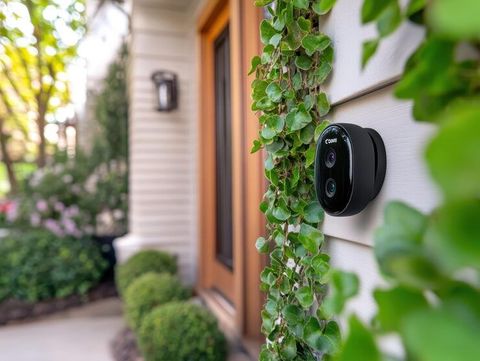
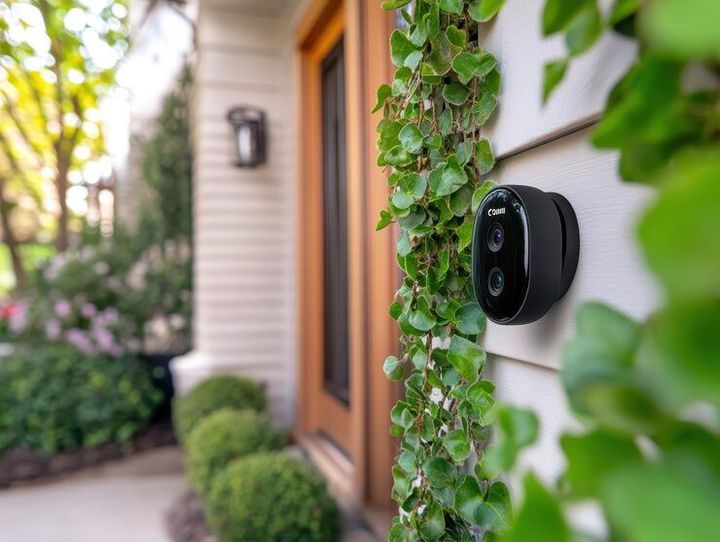
Wireless security camera systems are available in different configurations. Indoor cameras are commonly designed for rooms, offices, and shared spaces, while outdoor cameras generally include weather-resistant housings and mounting arrangements. Battery-powered models provide installation flexibility, whereas plug-in cameras require a continuous electrical connection.
Importance
Wireless security cameras have become relevant because residential properties, workplaces, retail environments, warehouses, and public facilities often require visual monitoring. They help address practical challenges such as observing entrances, checking unattended areas, reviewing unusual activity, and maintaining awareness of different locations.
Residential Security and Property Monitoring
Homeowners and residents use wireless home security cameras to monitor entrances, driveways, gardens, garages, and indoor spaces. Remote access allows authorized users to view camera footage through smartphones, tablets, or computers when they are away from the property.
Motion detection can identify movement within a camera's viewing area and generate notifications. This can help users distinguish between periods of normal activity and situations that may require further attention.
Business and Workplace Monitoring
Businesses use wireless surveillance cameras to observe reception areas, storage rooms, parking facilities, equipment locations, and building entrances. These systems can help document incidents and provide information when reviewing workplace security procedures.
Different camera arrangements may be required depending on the environment. Warehouses may need wide-angle coverage, while offices may require cameras focused on entry points and shared areas.
Remote Monitoring and Accessibility
Remote monitoring is an important feature of modern wireless security cameras. Instead of relying exclusively on a local monitoring screen, authorized users can access supported camera functions through an internet-connected application.
Common remote monitoring capabilities include:
Live video viewing through mobile devices.
Playback of recorded footage.
Motion-triggered notifications.
Camera status and battery monitoring.
Remote adjustment of selected camera settings.
Management of multiple cameras through one application.
Challenges Addressed by Wireless Technology
Wireless camera systems can reduce the need for extensive video cabling, particularly in locations where running wires is difficult. However, they still depend on appropriate power arrangements, network coverage, and compatible equipment.
The following table explains common camera categories and their general applications.
Camera Type | Main Features | Common Applications |
|---|---|---|
Indoor wireless camera | Compact design and indoor monitoring | Homes and offices |
Outdoor wireless camera | Weather-resistant construction | Gardens and entrances |
Battery-powered camera | Rechargeable or replaceable battery | Locations without nearby power outlets |
Wi-Fi security camera | Wireless network connectivity | Residential and commercial monitoring |
PTZ camera | Pan, tilt, and zoom controls | Large indoor and outdoor areas |
Smart AI camera | Automated object and activity detection | Advanced property monitoring |
Recent Updates
Wireless security camera technology continues to develop through improvements in image processing, wireless connectivity, artificial intelligence, and digital storage. Developments across the 2024–2026 period have placed greater attention on automated monitoring, cybersecurity, and flexible recording arrangements.
Artificial Intelligence and Smart Detection
AI-powered security cameras increasingly use image recognition to distinguish between different types of movement. Depending on the model, detection systems may identify people, vehicles, animals, or other objects rather than responding to every movement.
This development can help reduce unnecessary notifications caused by moving trees, changing light conditions, or passing animals. However, detection accuracy depends on camera positioning, software capabilities, lighting, and environmental conditions.
Improved Video Resolution and Night Vision
Camera manufacturers continue to develop higher-resolution recording capabilities. Full HD, 2K, and 4K formats provide different levels of image detail, although higher resolutions generally require more network bandwidth and storage capacity.
Night vision technology has also developed through infrared sensors, improved low-light image processing, and colour night vision features. These technologies help cameras capture useful footage when natural lighting is limited.
Cloud and Local Storage Options
Modern wireless surveillance cameras increasingly support different recording arrangements. Some systems store footage on remote cloud platforms, while others use memory cards, network video recorders, or connected storage devices.
Hybrid arrangements combine local recording with remote access. This approach provides flexibility for households and businesses that want to manage recording capacity, network usage, and data availability.
Stronger Cybersecurity Features
Connected cameras require protection against unauthorized access. Recent developments have placed greater emphasis on encrypted communication, secure device authentication, regular firmware updates, and multi-factor authentication.
Some newer camera systems also process selected information directly on the device. This edge computing approach can reduce the need to transmit every video frame to an external platform.
Smart Home Integration
Wireless security cameras are increasingly designed to work alongside other connected devices. Depending on compatibility, they may integrate with smart displays, lighting systems, door sensors, smart locks, and home automation platforms.
These connections allow different devices to respond to selected events. For example, a compatible lighting system may activate when a camera detects movement in a designated area.
Laws or Policies
The installation and operation of wireless security cameras are influenced by privacy, data protection, cybersecurity, and surveillance regulations. Requirements vary between countries and may also differ between residential, commercial, and public installations.
Since no specific target country has been identified, the following principles provide a general overview rather than a country-specific legal interpretation.
Privacy and Personal Data Protection
Video recordings may contain identifiable information, including people's faces, movements, and daily activities. Privacy laws in many jurisdictions regulate how organizations collect, store, process, and share this information.
Camera operators should consider the following principles:
Purpose limitation: Cameras should be used for clearly defined and lawful purposes.
Data minimization: Recording should focus on areas relevant to the intended monitoring purpose.
Transparency: People may need to receive notice when they enter monitored areas.
Storage limitation: Recordings should not be retained longer than necessary under applicable rules.
Data protection: Recorded footage should have appropriate technical and organizational safeguards.
Residential and Commercial Camera Placement
Property owners should consider the privacy expectations of neighbours, visitors, employees, and other individuals. Cameras positioned to monitor private rooms, neighbouring windows, changing areas, or other sensitive locations may create legal concerns.
Commercial environments may have additional requirements concerning employee monitoring, workplace transparency, and the handling of recorded information. Audio recording can also be subject to separate restrictions.
Cybersecurity and Equipment Standards
Some jurisdictions establish technical requirements for connected surveillance equipment, particularly systems used in government facilities or critical infrastructure. These requirements may address device testing, hardware security, software vulnerabilities, and network protection.
For example, regulations or procurement guidelines may require approved equipment, security assessments, or specific technical certifications. Businesses should examine applicable standards before installing large surveillance networks.
Responsible Camera Operation
A responsible monitoring arrangement generally includes:
Restricting camera access to authorized individuals.
Using strong passwords and secure account authentication.
Updating camera firmware when security updates become available.
Reviewing recording retention arrangements.
Avoiding unnecessary sharing of surveillance footage.
Establishing procedures for handling recorded information.
Tools and Resources
Different tools and digital platforms help users configure, operate, and maintain wireless security camera systems. Their usefulness depends on camera compatibility, network requirements, storage arrangements, and monitoring objectives.
Camera Management Applications
Mobile applications are commonly used to configure wireless cameras and access their main functions. Depending on the manufacturer, these applications may provide live viewing, recording playback, notification settings, device sharing, and camera status information.
Some applications also support multiple camera connections, allowing users to monitor several rooms or locations through one account.
Wi-Fi Network Testing Tools
Wireless connectivity affects video quality, notification delivery, and remote viewing performance. Network testing applications can help identify signal strength, connection interruptions, and internet speed limitations.
Useful network checks include:
Wi-Fi signal strength near the installation location.
Available upload bandwidth.
Router performance and connected device capacity.
Network coverage across indoor and outdoor areas.
Connection stability during continuous video transmission.
Cloud and Local Recording Platforms
Cloud recording platforms allow supported cameras to transfer video to remote storage systems. Local recording platforms use memory cards, network video recorders, or dedicated storage devices.
The following comparison explains their general differences.
Storage Method | Main Characteristics | Important Considerations |
|---|---|---|
Cloud storage | Remote video access and centralized recording | Internet availability and account security |
MicroSD card | Recording directly inside the camera | Card capacity and device compatibility |
Network video recorder | Centralized recording from connected cameras | Network configuration and storage capacity |
External storage | Footage stored on connected equipment | Backup arrangements and physical security |
Hybrid storage | Combination of local and remote recording | Multiple storage settings and access controls |
Camera Specification and Planning Resources
Product specification sheets and installation manuals help users understand technical requirements before setting up a surveillance system. They generally include information about camera resolution, viewing angle, wireless frequency, weather resistance, battery capacity, and supported storage options.
A basic camera planning checklist can also help identify the number of cameras required, intended monitoring areas, mounting positions, power arrangements, and network coverage.
FAQs
How Do Wireless Security Cameras Work?
Wireless security cameras capture video and transmit it through a wireless network to compatible devices or storage platforms. Users can access live footage, receive motion notifications, and review recordings through supported mobile applications.
Can Wireless Security Cameras Work Without Wi-Fi?
Some wireless security cameras support local recording through memory cards or other storage devices without continuous Wi-Fi access. However, remote monitoring, cloud recording, and mobile notifications generally require an internet connection.
What Is the Difference Between Battery-Powered and Wi-Fi Security Cameras?
Battery-powered cameras use rechargeable or replaceable batteries for electrical power, while Wi-Fi describes the wireless communication method. A camera can use both technologies simultaneously, allowing battery-powered operation and wireless video transmission.
How Does AI Improve Wireless Security Camera Monitoring?
AI improves monitoring by analysing video and identifying selected objects or activities. Depending on the camera, features may include human detection, vehicle recognition, activity classification, and customized motion alerts.
Are Wireless Security Cameras Safe for Privacy?
Wireless security cameras can support privacy through encrypted connections, restricted account access, secure passwords, and controlled recording settings. However, incorrect installation, weak authentication, excessive recording, and unauthorized footage sharing can create privacy and cybersecurity risks.
Conclusion
Wireless security cameras combine wireless connectivity, digital recording, remote monitoring, and smart detection technologies for residential and commercial surveillance. Developments in AI, video resolution, cloud storage, and cybersecurity continue to influence their capabilities. Understanding camera specifications, network requirements, storage arrangements, and privacy regulations is important when evaluating these systems. Responsible installation and secure data management remain essential parts of modern video surveillance.