Learn How Industrial Sensor Systems Improve Manufacturing Efficiency and Productivity
Industrial sensor systems play an important role in modern manufacturing by collecting information about machines, materials, environmental conditions, and production activities.
These systems use specialised devices to detect changes in temperature, pressure, movement, vibration, humidity, and other operating conditions. Industrial sensor systems help manufacturing facilities monitor equipment performance, maintain product quality, identify process variations, and improve overall productivity.
As manufacturing processes have become more automated, the need for accurate and continuous information has increased. Traditional production systems often depend on manual inspections and operator observations. Modern sensor-based systems provide real-time measurements that allow machines and control platforms to respond to changing operating conditions.
What Are Industrial Sensor Systems?
An industrial sensor system is a combination of sensing devices, electronic circuits, communication equipment, and monitoring software. Its primary function is to detect physical or chemical changes and convert them into information that can be interpreted by operators or automated control systems.
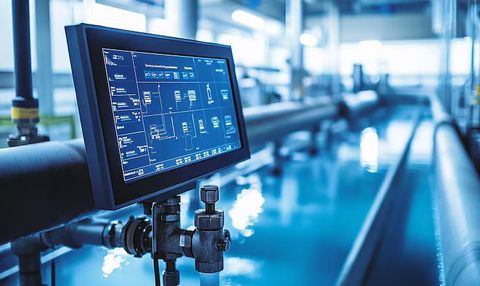
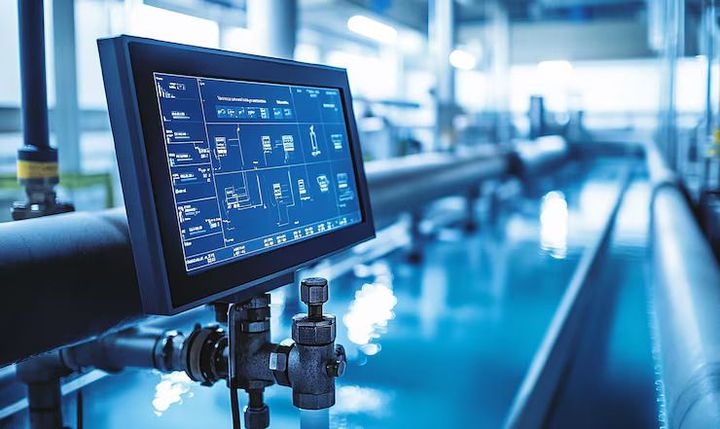
For example, a temperature sensor can monitor the heat inside an industrial furnace, while a pressure sensor can measure conditions inside a hydraulic machine. The collected information can be displayed on a control panel or transmitted to a programmable logic controller (PLC).
A typical industrial sensor system includes:
Sensing element: Detects a physical condition such as temperature, pressure, or movement.
Signal conditioning unit: Processes the sensor signal into a suitable form.
Communication interface: Transfers information through wired or wireless connections.
Control system: Receives sensor data and manages connected machinery.
Monitoring software: Displays measurements, operating conditions, and system alerts.
These components work together to support industrial monitoring and automation.
Common Types of Industrial Sensors
Different manufacturing activities require different sensing technologies. The selection depends on the operating environment, measurement range, material properties, and required accuracy.
Temperature sensors: Measure heat in ovens, furnaces, motors, and processing equipment. Thermocouples and resistance temperature detectors are common examples.
Pressure sensors: Monitor pressure in hydraulic systems, pneumatic equipment, pipelines, and industrial tanks.
Proximity sensors: Detect the presence or absence of nearby objects without direct physical contact.
Position sensors: Measure the location or movement of machine components.
Vibration sensors: Detect mechanical vibrations that may indicate imbalance, looseness, or bearing deterioration.
Flow sensors: Measure the movement of liquids and gases through industrial pipelines.
Humidity sensors: Monitor moisture levels in production environments and material storage areas.
Level sensors: Measure the quantity of liquid, powder, or granular material inside tanks and containers.
Each sensor provides information about a particular operating condition, helping manufacturing teams understand what is happening within their equipment.
Importance of Industrial Sensor Systems in Manufacturing
Industrial sensor systems matter because manufacturing facilities need consistent production conditions, reliable equipment operation, and accurate quality monitoring. Small changes in temperature, pressure, vibration, or material flow can affect the performance of machines and the quality of finished products.
Sensors help identify these changes before they develop into larger production problems. They also support automated decision-making by providing information to control systems without requiring constant manual observation.
How Industrial Sensors Improve Manufacturing Efficiency
Industrial sensors contribute to manufacturing efficiency in several ways.
Real-time process monitoring: Sensors continuously measure important operating conditions. Operators can identify unusual changes and adjust machine settings when necessary.
Reduced equipment downtime: Vibration, temperature, and pressure monitoring can help identify early signs of mechanical problems. Maintenance teams can investigate potential faults before equipment stops unexpectedly.
Improved product quality: Sensors monitor production variables that influence product dimensions, temperature, pressure, and consistency. This helps maintain manufacturing conditions within defined limits.
Better resource utilisation: Flow, energy, and temperature sensors provide information about how materials and utilities are being used during production.
Automated production control: Sensors supply information to PLCs and industrial control systems, allowing machines to adjust their operation according to programmed conditions.
Industrial Applications of Sensor Technology
Sensor technology is used across different manufacturing sectors because each industry has specific monitoring requirements.
| Industry | Common Sensors | Main Application |
|---|---|---|
| Automotive | Proximity and pressure sensors | Assembly and machine monitoring |
| Food processing | Temperature and humidity sensors | Processing and storage conditions |
| Pharmaceuticals | Temperature and pressure sensors | Controlled manufacturing environments |
| Chemical manufacturing | Flow and gas sensors | Process monitoring |
| Metalworking | Vibration and temperature sensors | Equipment condition monitoring |
| Packaging | Position and optical sensors | Product detection and alignment |
| Electronics | Temperature and proximity sensors | Component assembly |
Industrial Sensor Systems and Predictive Maintenance
Predictive maintenance is an approach that uses equipment data to identify possible maintenance requirements before a failure occurs. Industrial sensors play an important role because they continuously collect information about machine conditions.
For example, an increase in motor vibration may indicate bearing wear or mechanical imbalance. Similarly, unusual temperature changes may suggest friction, insufficient cooling, or electrical problems.
Maintenance teams can examine these measurements alongside equipment history to determine whether an inspection or repair is necessary. This approach supports planned maintenance and reduces dependence on fixed inspection schedules alone.
Recent Developments in Industrial Sensor Technology
Industrial sensor technology continues to develop through digital connectivity, artificial intelligence, wireless communication, and improved measurement capabilities. Current developments across 2024–2026 reflect the growing use of connected manufacturing systems and data-driven production management.
Industrial Internet of Things (IIoT)
The Industrial Internet of Things connects sensors, machines, controllers, and software platforms through industrial communication networks. This allows information from different production areas to be collected and reviewed through connected monitoring systems.
IIoT-based sensor networks can help manufacturing teams monitor equipment across multiple production lines. They also support the integration of machine data with production planning and maintenance platforms.
Artificial Intelligence and Sensor Data Analysis
Artificial intelligence is increasingly being used to analyse industrial sensor information. These systems can examine patterns in temperature, vibration, pressure, and machine operating conditions.
For example, machine learning models can compare current vibration readings with historical operating data to identify unusual patterns. Such analysis can support maintenance planning, although its accuracy depends on data quality, sensor placement, and appropriate model validation.
Wireless Industrial Sensors
Wireless sensors are becoming more common in industrial environments where installing cables may be difficult. They can transmit measurements through suitable industrial communication technologies.
Wireless systems are used for monitoring remote equipment, rotating machinery, storage facilities, and pipelines. However, signal reliability, battery management, network security, and operating conditions must be considered during installation.
Smart Sensors and Edge Computing
Smart sensors can perform certain processing functions within the sensing device itself. Some systems include diagnostic features, digital communication, and configuration capabilities.
Edge computing allows industrial data to be processed close to the equipment instead of sending every measurement to a distant server. This can support faster responses and reduce unnecessary data transmission.
Improved Sensor Accuracy and Reliability
Developments in sensor materials, electronic components, and calibration techniques are supporting more accurate measurements. Manufacturers are also focusing on sensor durability for environments involving heat, moisture, dust, chemicals, and mechanical vibration.
These improvements are particularly relevant to industries where operating conditions can change frequently.
Laws and Policies Affecting Industrial Sensor Systems in India
Industrial sensor systems in India operate within a regulatory environment that covers workplace safety, electrical equipment, industrial automation, environmental monitoring, and data protection. The applicable requirements depend on the manufacturing activity and the type of sensor installation.
Industrial Workplace Safety Regulations
Sensors can support workplace monitoring by detecting hazardous temperatures, pressure changes, gas concentrations, and equipment movement. However, they do not replace machine guards, emergency systems, or established safety procedures.
India's Occupational Safety, Health and Working Conditions Code, 2020, forms part of the country's occupational safety framework. Relevant provisions address workplace health, safety arrangements, and employer responsibilities, subject to applicable implementation requirements.
Industrial facilities should consider:
Appropriate sensor installation and positioning.
Regular inspection and calibration.
Electrical protection and safe wiring.
Alarm configuration for abnormal operating conditions.
Equipment maintenance and operator training.
Integration with suitable emergency protection systems.
Environmental Monitoring Requirements
Manufacturing facilities may need to monitor emissions, wastewater, temperature, and other environmental parameters under applicable pollution control requirements.
The Central Pollution Control Board (CPCB) and State Pollution Control Boards oversee relevant environmental regulations in India. Certain industrial categories may be subject to specific monitoring and reporting requirements.
Industrial sensors can support environmental monitoring by measuring relevant parameters and transmitting readings to connected monitoring platforms.
Electrical and Industrial Standards
Electrical and electronic sensor installations must consider applicable safety and technical standards. The Bureau of Indian Standards (BIS) develops standards covering electrical equipment, industrial products, and measurement-related requirements.
Facilities should also consider relevant industrial communication standards and equipment specifications when integrating sensors with PLCs, supervisory control systems, and industrial networks.
Tools and Resources for Industrial Sensor Systems
Several technical tools help manufacturing teams select sensors, evaluate measurements, configure monitoring networks, and maintain equipment.
Sensor Selection and Measurement Calculators
Engineering calculators help users understand measurement ranges and convert readings between different units. Common calculations include:
Celsius and Fahrenheit temperature conversion.
Pressure unit conversion.
Flow rate calculations.
Voltage and current measurements.
Distance and position measurements.
Sensor output scaling.
These tools help interpret sensor readings and prepare measurement configurations.
Industrial Automation Software
PLC programming software is used to configure controllers that receive and process sensor information. Supervisory Control and Data Acquisition (SCADA) platforms allow operators to monitor equipment, view measurements, and review system alarms.
Manufacturing Execution Systems (MES) can also connect production information with operational planning and quality management activities.
Calibration and Testing Equipment
Calibration equipment helps verify whether sensors provide measurements within their specified accuracy limits. Common instruments include:
Temperature calibrators for temperature sensors.
Pressure calibrators for pressure measurement devices.
Multimeters for electrical measurements.
Vibration analysers for mechanical monitoring.
Signal generators for testing electronic inputs and outputs.
Regular calibration helps maintain measurement reliability.
Industrial Communication and Monitoring Platforms
Industrial communication technologies such as Modbus, PROFINET, EtherNet/IP, and OPC UA allow connected devices to exchange information.
These technologies help integrate sensors with controllers, monitoring software, and manufacturing data platforms. The appropriate communication method depends on equipment compatibility, network design, and operational requirements.
Frequently Asked Questions About Industrial Sensor Systems
What Are Industrial Sensor Systems Used For?
Industrial sensor systems monitor physical conditions such as temperature, pressure, vibration, flow, humidity, and position. They help manufacturing facilities control production processes, monitor machinery, and maintain product quality.
How Do Industrial Sensors Improve Manufacturing Efficiency?
Industrial sensors provide real-time information about machine and production conditions. This information supports automated control, early fault detection, quality monitoring, and more organised maintenance planning.
What Are the Different Types of Industrial Sensors?
Common types include temperature sensors, pressure sensors, proximity sensors, vibration sensors, flow sensors, humidity sensors, level sensors, and position sensors. Each type measures a particular physical condition.
What Is the Role of IoT in Industrial Sensor Systems?
The Industrial Internet of Things connects sensors and manufacturing equipment through communication networks. It allows production teams to collect, analyse, and monitor information from different machines and facilities.
How Often Should Industrial Sensors Be Calibrated?
Calibration frequency depends on sensor specifications, operating conditions, manufacturer instructions, and measurement requirements. Sensors used in critical processes may require more frequent verification than those used for general monitoring.
Conclusion
Industrial sensor systems support modern manufacturing by providing accurate information about machines, materials, and production conditions. Temperature, pressure, vibration, flow, and proximity sensors help improve process monitoring, equipment maintenance, and product consistency. Developments in IIoT, artificial intelligence, wireless communication, and edge computing are expanding their role in connected manufacturing environments. Their effectiveness depends on appropriate selection, installation, calibration, and integration with industrial control systems.