Plastic Sheet Calendering Machines Information With Modern Manufacturing and Processing Techniques
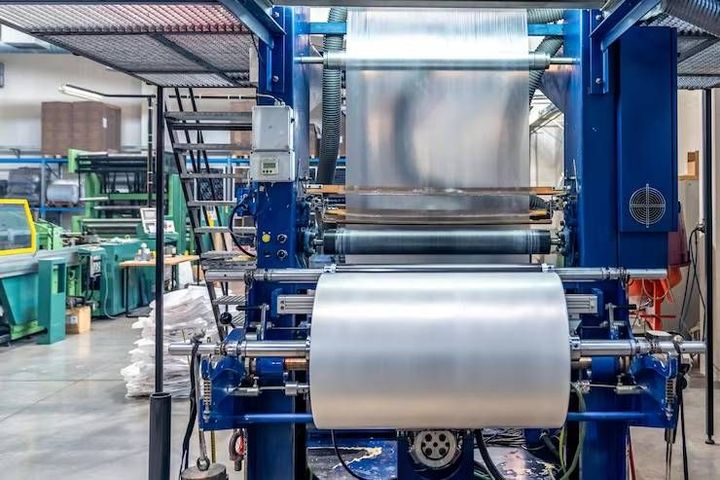
Plastic sheet calendering machines are industrial processing systems used to produce continuous sheets or films with controlled thickness, width, surface characteristics, and appearance.
The process involves passing a prepared plastic compound through a series of heated rollers that gradually form the material into a sheet. Calendering has a long history in polymer and rubber processing and remains relevant for applications where consistent sheet formation is required.
A typical plastic sheet calendering machine contains several major sections, including material preparation equipment, heated rollers, temperature controls, thickness adjustment mechanisms, cooling systems, surface treatment components, and winding or cutting equipment. Together, these components transform a plastic compound into a continuous sheet that can later be used in construction materials, packaging, flooring, automotive components, industrial products, and other applications.
The calendering process differs from extrusion in how the final sheet is formed. Extrusion generally pushes molten polymer through a die, while calendering uses rotating rolls to progressively spread and shape the material. Some manufacturing facilities use both technologies depending on the characteristics of the material and the required sheet properties.
How Plastic Sheet Calendering Works
The process usually begins with preparing and mixing the polymer with selected additives. Depending on the material, ingredients may include stabilizers, pigments, plasticizers, fillers, processing aids, or other formulation components.
The prepared material enters the calendering section after reaching a suitable processing condition. Heated rollers rotate at controlled speeds, creating a sheet between the roll surfaces. The gap between rollers, roll temperature, rotational speed, and material flow influence the resulting sheet.
After forming, the sheet can pass through cooling or surface-treatment stages. It may then be trimmed to a specified width and wound into rolls or cut into individual sheets.
Main Components of a Calendering Line
A modern plastic sheet calendering line may contain:
Mixing and material preparation equipment
Feeding systems for controlled material delivery
Heated calender rolls
Roll-gap adjustment mechanisms
Temperature control units
Thickness measurement systems
Cooling rollers
Surface embossing equipment
Edge-trimming systems
Sheet cutting equipment
Winding and roll-handling systems
Programmable control systems
The configuration depends on the polymer, sheet dimensions, surface requirements, production arrangement, and desired level of automation.
Importance
Plastic sheet calendering machines are important because many industrial products require sheet materials with controlled dimensions and predictable physical characteristics. Thickness variation can affect downstream cutting, forming, printing, laminating, or assembly processes, making process control an important part of manufacturing.
The technology is also useful for materials that need particular surface patterns or finishes. Embossing rollers can create textures, visual patterns, or functional surfaces while the sheet is being formed.
Applications of Calendered Plastic Sheets
Calendered plastic sheets can be used in a wide range of industries. Depending on material formulation and processing conditions, applications may include flooring layers, wall coverings, flexible membranes, packaging components, automotive interior materials, industrial liners, protective sheets, and other manufactured products.
The requirements vary by application. A flexible sheet may need controlled softness and elongation, while a rigid sheet may require dimensional stability and specific surface characteristics.
Production Quality and Consistency
Several variables influence calendering results. Roll temperature affects material flow, while the roll gap influences sheet thickness. Roll speed affects the time available for material processing and can influence output conditions.
Other variables include:
Material formulation
Polymer temperature
Roll surface condition
Roll alignment
Roll pressure
Cooling rate
Line speed
Sheet tension
Ambient conditions
Monitoring these variables helps operators understand changes in sheet quality and maintain defined production parameters.
Surface Characteristics
Calendering can produce smooth or textured surfaces depending on roll configuration. Embossing rollers can introduce patterns during sheet formation, while polished surfaces can support smoother finishes.
Surface characteristics can be important for appearance, grip, friction, printing, bonding, and other downstream functions. The required surface depends on the final application.
Recent Updates
From 2024 through 2026, plastic sheet calendering technology has continued to develop around automation, process monitoring, energy management, precision measurement, and digital production records. The general direction is toward greater integration between mechanical processing equipment and digital control systems.
Automated Thickness Control
Modern calendering lines can use continuous thickness measurement to monitor the sheet while it moves through the production line. Sensors can detect variations and provide information to control systems.
Automated roll-gap adjustment can then be used in suitable systems to maintain defined thickness parameters. The exact control method depends on machine design and material behavior.
Continuous measurement can also create production records that help operators examine trends over time. These records can be useful for process analysis and quality documentation.
Digital Process Monitoring
Programmable logic controllers and human-machine interfaces are widely used to coordinate calendering operations. Operators can monitor temperature, roll speed, line speed, material movement, and selected equipment conditions through centralized interfaces.
Industrial communication systems can connect the calendering line with other production equipment. This can allow information to move between material preparation, sheet formation, cooling, cutting, and winding stages.
Energy Management
Calendering involves heated rollers, motors, pumps, cooling equipment, and other energy-consuming components. Modern facility planning increasingly considers energy monitoring alongside machine performance.
Variable-speed drives can regulate motor operation in suitable applications. Temperature control systems can also regulate heating according to defined processing requirements rather than maintaining unnecessary heat levels.
Advanced Surface Processing
Calendering systems can incorporate more precise roll surfaces and embossing arrangements for specialized sheet applications. Digital design methods can help engineers develop surface patterns and prepare manufacturing specifications before physical roll production.
Surface inspection systems can also use cameras or sensors to identify selected visual defects, thickness changes, edge problems, or other variations. These systems are generally used as part of a wider quality-control process.
Recycled Polymer Processing
The use of recycled polymer feedstocks has increased interest in material preparation and process monitoring. Recycled materials can vary in composition, moisture, contamination, and thermal history.
Calendering systems processing such materials may therefore require careful material preparation and monitoring. Filtration, drying, mixing, and formulation control can be important depending on the polymer and application.
Laws or Policies
Plastic sheet calendering machines are affected by several categories of rules, including machinery safety, worker protection, electrical requirements, emissions controls, chemical handling provisions, and waste-management regulations. Exact requirements depend on the country, facility, polymer type, additives, and production environment.
Machinery Safety
Calendering equipment contains rotating rolls, heated surfaces, moving conveyors, cutting mechanisms, and electrical systems. These components can create mechanical and thermal hazards if appropriate protective measures are not used.
Safety provisions can include guarding, emergency-stop systems, interlocked access points, warning devices, safe operating procedures, and controlled maintenance access. Risk assessments generally consider points where operators could come into contact with moving or heated components.
Workplace Protection
Workers may interact with material preparation equipment, calender rolls, trimming systems, winding units, and control panels. Training and workplace procedures can address machine operation, personal protective equipment, emergency response, and maintenance isolation.
Energy-isolation procedures are particularly relevant when workers need to access moving machinery. Electrical, mechanical, pneumatic, hydraulic, and thermal energy may need to be controlled before maintenance activities.
Environmental Requirements
Plastic processing can generate production scrap, used process materials, packaging waste, and other residues. Facilities may need procedures for collecting, separating, recycling, or disposing of these materials.
Some formulations may also involve substances that require specific handling or workplace controls. Applicable environmental and chemical regulations depend on the materials used and the jurisdiction.
Tools and Resources
Planning and operating plastic sheet calendering machines involves several technical resources. Equipment specification sheets can provide information about roll dimensions, heating capacity, line speed, sheet width, thickness range, drive systems, and control architecture.
Process calculators can assist with material throughput, sheet dimensions, roll speed, cooling requirements, and production planning. Simulation and engineering software can also help examine equipment layouts and material flow before installation.
Useful resources include:
Roll-gap calculation worksheets
Sheet thickness measurement systems
Material formulation records
Process-temperature charts
Production monitoring dashboards
Equipment specification sheets
Preventive maintenance schedules
Electrical load calculations
Cooling-system calculations
Facility layout software
Quality inspection checklists
Industrial control-system documentation
A simplified comparison of major processing stages is shown below:
| Processing Stage | Main Function | Important Variable |
|---|---|---|
| Material Preparation | Mixes and conditions feedstock | Formulation and temperature |
| Feeding | Delivers material to the rolls | Feed rate |
| Calendering | Forms continuous sheet | Roll gap and temperature |
| Embossing | Creates surface patterns | Roll surface and pressure |
| Cooling | Reduces sheet temperature | Cooling rate |
| Trimming | Removes unwanted edges | Sheet width |
| Inspection | Checks selected properties | Thickness and surface |
| Winding | Forms finished rolls | Tension and alignment |
Digital production records can also help connect process information with maintenance and quality-control activities. When multiple machines are integrated, compatible control systems and communication protocols become important considerations.
FAQs
What are plastic sheet calendering machines?
Plastic sheet calendering machines are industrial systems that form polymer materials into continuous sheets using controlled rollers. They can regulate thickness, width, temperature, surface texture, cooling, and winding.
How does a plastic sheet calendering machine work?
Prepared plastic material is delivered to heated rollers, where it is progressively spread and formed into a continuous sheet. The sheet can then be cooled, trimmed, inspected, embossed, cut, or wound depending on the production process.
What affects plastic sheet calendering quality?
Important factors include polymer formulation, roll temperature, roll gap, roll speed, pressure, cooling conditions, sheet tension, roll alignment, and material preparation.
What modern manufacturing techniques are used with calendering machines?
Modern techniques can include automated thickness measurement, digital process monitoring, machine controls, surface inspection, variable-speed drives, automated roll adjustment, and connected production records.
Where are calendered plastic sheets used?
Calendered sheets can be used in flooring, wall coverings, flexible membranes, automotive materials, packaging components, industrial liners, protective sheets, and other applications. The appropriate material and processing conditions depend on the intended use.
Conclusion
Plastic sheet calendering machines use controlled rollers, heating, cooling, measurement, and material handling systems to produce continuous polymer sheets. Modern manufacturing increasingly combines calendering equipment with automated thickness control, digital monitoring, surface inspection, and energy-management systems. Process results depend on material formulation, machine settings, roll condition, cooling, and other production variables. Safe operation also requires attention to machine protection, worker procedures, environmental controls, and applicable regulations.