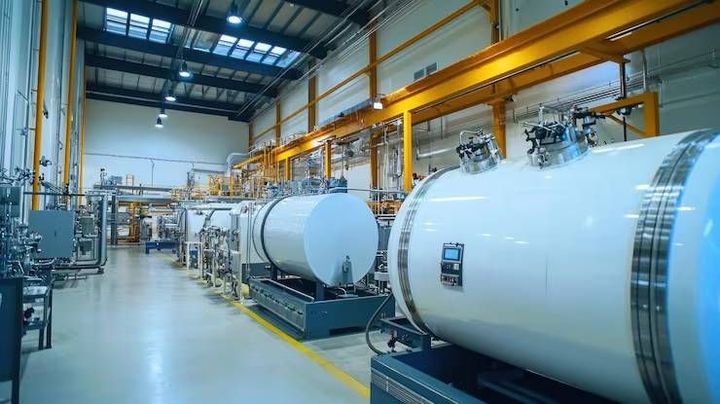
Learn How Oxygen PSA Plants Produce High-Purity Oxygen for Industrial Use
Oxygen is an important industrial gas used in manufacturing, metal processing, water treatment, chemical production, and several other industrial activities. Oxygen Pressure Swing Adsorption (PSA) plants provide a method of generating oxygen directly at industrial facilities instead of depending entirely on externally supplied gas cylinders or liquid oxygen deliveries.
An Oxygen PSA plant uses a technology called Pressure Swing Adsorption to separate oxygen from ordinary atmospheric air. The process relies on special materials known as molecular sieves, which selectively retain nitrogen while allowing oxygen to pass through. The resulting oxygen-enriched gas can be collected, stored, and distributed for different industrial applications.
What Is an Oxygen PSA Plant?
An Oxygen PSA plant is an oxygen generation system designed to produce oxygen from compressed air. It uses pressure differences and adsorption materials to separate nitrogen and other unwanted components from the air.
Atmospheric air contains approximately 21% oxygen and 78% nitrogen, along with small quantities of argon, carbon dioxide, water vapour, and other gases. PSA technology separates much of the nitrogen, increasing the oxygen concentration in the resulting gas.
Industrial oxygen PSA systems commonly produce oxygen with concentrations around 90–95%, depending on equipment configuration and operating conditions. This concentration is suitable for many industrial processes, although applications requiring different purity levels may need alternative technologies.
How Pressure Swing Adsorption Technology Works
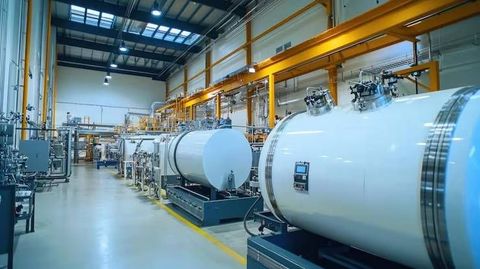
Pressure Swing Adsorption uses two or more adsorption vessels containing zeolite molecular sieve material. These vessels operate through alternating pressurization and depressurization cycles.
When compressed air enters a vessel, nitrogen molecules are preferentially adsorbed by the zeolite material. Oxygen passes through the vessel and moves towards the product gas outlet.
Once the adsorption material approaches its nitrogen retention capacity, the system changes operating modes. The pressure inside the vessel decreases, allowing the retained nitrogen to leave through an exhaust pathway. The regenerated vessel can then participate in another separation cycle.
This repeated process helps maintain a relatively continuous oxygen output.
Main Components of an Industrial Oxygen PSA Plant
An industrial oxygen generation plant contains several interconnected components.
Air compressor: Supplies atmospheric air at the required pressure.
Air filtration system: Removes dust and other airborne particles.
Air dryer: Reduces moisture before the air enters the adsorption system.
Air receiver tank: Provides compressed-air storage and stabilizes supply.
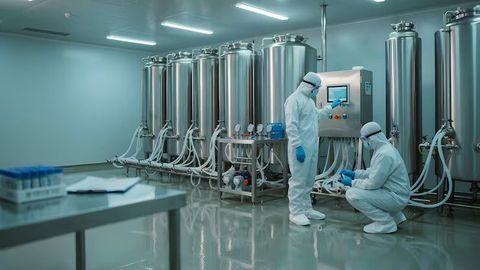
Molecular sieve vessels: Separate nitrogen from oxygen-enriched gas.
Oxygen storage tank: Holds the generated oxygen before distribution.
Control panel: Monitors pressure, operating cycles, and system performance.
Oxygen analyser: Measures oxygen concentration in the generated gas.
Each component contributes to the overall operation, reliability, and oxygen quality of the plant.
Importance
Industrial oxygen generation has become important because many manufacturing operations depend on a consistent supply of oxygen. Industries use oxygen to improve combustion efficiency, support chemical reactions, and maintain specific operating conditions.
An on-site oxygen generation system can help industrial facilities manage their gas requirements through an integrated production arrangement. It also reduces dependence on transportation schedules associated with externally supplied oxygen.
Industries That Use Oxygen PSA Plants
Different industries use PSA oxygen generation according to their process requirements.
1. Metal Manufacturing: Oxygen supports steel production, metal cutting, furnace operations, and other thermal processes. Higher oxygen concentrations can help improve combustion conditions in suitable applications.
2. Glass Manufacturing: Oxygen-enriched combustion can support glass melting processes. It helps manufacturers manage furnace performance and combustion characteristics.
3. Wastewater Treatment: Oxygen is used in biological wastewater treatment systems to support microorganisms responsible for breaking down organic matter.
4. Chemical Manufacturing: Various chemical reactions require oxygen as an input gas. PSA oxygen plants can provide a continuous supply for selected oxidation processes.
5. Mining and Mineral Processing: Oxygen is used in certain metallurgical operations, mineral processing activities, and industrial combustion systems.
6. Aquaculture: Oxygen can support water oxygenation systems used in fish farming and controlled aquatic environments.
Industrial Benefits of On-Site Oxygen Generation
Oxygen PSA plants provide several operational advantages:
Continuous production: Automated operating cycles support a regular oxygen supply.
Reduced transportation dependence: Oxygen can be generated at the facility where it is needed.
Adjustable production: Plant configurations can accommodate different oxygen demand levels.
Monitoring capabilities: Sensors and analysers help track oxygen purity and operating conditions.
Flexible installation: Systems are available in different capacities for small and large industrial facilities.
However, the actual advantages depend on plant design, electricity availability, maintenance requirements, and the oxygen demand of the application.
PSA Oxygen Versus Other Oxygen Production Methods
Industries generally consider PSA and cryogenic air separation when selecting an oxygen production method. These technologies use different principles and have different production characteristics.
| Feature | PSA Oxygen Plant | Cryogenic Oxygen Plant |
|---|---|---|
| Separation method | Pressure swing adsorption | Low-temperature air separation |
| Main technology | Zeolite molecular sieves | Cooling and distillation |
| Typical oxygen purity | Around 90–95% | Can reach very high purity |
| Production scale | Small to medium and selected large applications | Generally medium to very large |
| Start-up characteristics | Relatively quick | Longer cooling and start-up process |
| Main applications | Industrial processes and on-site oxygen supply | Large-scale industrial oxygen production |
The appropriate technology depends on required purity, production volume, operating conditions, and application requirements.
Recent Updates
Developments in industrial oxygen generation are increasingly focused on automation, energy management, monitoring, and equipment reliability. Modern PSA oxygen plants incorporate digital controls and improved monitoring arrangements to support more consistent operation.
Improvements in PSA Plant Automation
Modern control systems can coordinate compressor operation, adsorption cycles, pressure adjustments, and oxygen monitoring. Programmable logic controllers (PLCs) help manage the operating sequence between adsorption vessels.
Some installations also include human-machine interfaces (HMIs), which allow operators to view important operating information through a central display.
Common monitored parameters include:
Compressed-air pressure.
Oxygen production flow rate.
Oxygen concentration.
Operating temperature.
Adsorption cycle duration.
Equipment alarms and operating status.
These features help operators identify operating irregularities and understand changes in plant performance.
Energy Efficiency and Equipment Design
Energy consumption remains an important consideration in oxygen generation because air compression requires electricity. Manufacturers and engineering teams continue to focus on compressor efficiency, pressure optimization, improved air preparation, and better system integration.
Variable-frequency drives can adjust compressor motor speed according to changing air demand. Improved filtration and moisture removal can also help protect molecular sieve materials and maintain system performance.
Remote Monitoring and Predictive Maintenance
Industrial monitoring technologies are becoming more common in oxygen generation installations. Connected sensors can collect information about pressure, temperature, oxygen concentration, and equipment operating hours.
Some systems use this information to identify unusual operating patterns. Predictive maintenance approaches can help maintenance teams investigate potential equipment problems before they interrupt normal plant operation.
These developments do not eliminate the need for physical inspections, scheduled maintenance, or trained operators.
Laws or Policies
Industrial oxygen PSA plants are influenced by workplace safety regulations, pressure equipment requirements, electrical installation rules, gas handling standards, and environmental requirements. Specific obligations vary according to the country, plant capacity, installation location, and intended application.
Industrial Oxygen Safety Requirements
Oxygen is not itself a fuel, but it strongly supports combustion. Increased oxygen concentration can make materials ignite more easily and burn more intensely.
Industrial facilities generally need appropriate oxygen handling procedures, ventilation arrangements, equipment inspections, and employee safety training.
Important safety considerations include:
Keeping oil and grease away from oxygen-contact equipment.
Using materials compatible with oxygen applications.
Preventing leaks in pipelines and connections.
Maintaining suitable ventilation.
Installing pressure protection devices.
Keeping ignition sources away from oxygen-enriched areas.
Pressure Vessel and Equipment Regulations
PSA plants contain compressed-air receivers, adsorption vessels, and oxygen storage equipment. These components must be designed, installed, inspected, and maintained according to applicable pressure equipment requirements.
Depending on the jurisdiction, relevant frameworks may include pressure vessel codes, electrical safety standards, machinery regulations, and industrial workplace requirements.
International Standards and Quality Controls
Several international standards provide guidance for industrial gas equipment, pressure systems, and oxygen handling.
Examples include:
ISO standards: Provide technical frameworks for equipment quality, safety, and management systems.
ASME Boiler and Pressure Vessel Code: Addresses the design and construction of applicable pressure equipment.
IEC standards: Cover electrical equipment, control systems, and related safety considerations.
NFPA guidance: Addresses fire protection and hazards associated with oxygen-enriched environments.
These frameworks do not automatically apply to every installation. Facilities must identify the standards adopted by their relevant national or regional authorities.
Tools and Resources
Various technical tools help engineers, plant operators, and maintenance teams understand and manage oxygen PSA systems. These resources support equipment selection, capacity planning, operational monitoring, and routine inspections.
Oxygen Plant Capacity Calculators
Oxygen capacity calculators help estimate the production requirements of an industrial facility. They typically use oxygen flow rate, operating pressure, expected demand, and required oxygen concentration.
Production capacity is commonly expressed in normal cubic metres per hour (Nm³/h) or cubic metres per hour, depending on the measurement conditions.
Oxygen Purity Analysers
Oxygen analysers measure the concentration of oxygen in the generated gas. These instruments help operators confirm whether the output remains within the required operating range.
Different analyser technologies are available, including electrochemical and paramagnetic instruments. Selection depends on measurement accuracy, operating conditions, calibration requirements, and application.
Pressure and Flow Monitoring Instruments
Pressure gauges, flow meters, and temperature sensors provide information about plant operating conditions.
Operators can use these measurements to identify changes in compressed-air supply, oxygen output, and system performance.
Maintenance and Monitoring Resources
Useful operational resources include:
PSA plant operation manuals.
Molecular sieve inspection records.
Compressor maintenance schedules.
Oxygen purity monitoring logs.
Pressure vessel inspection documents.
Equipment troubleshooting checklists.
Industrial oxygen safety procedures.
These resources help maintain consistent operating practices and support equipment management.
FAQs
How Does an Oxygen PSA Plant Produce High-Purity Oxygen?
An oxygen PSA plant uses compressed atmospheric air and zeolite molecular sieves to separate nitrogen. The nitrogen is retained during pressurization and released during depressurization, while oxygen-enriched gas passes through the system.
What Is the Typical Oxygen Purity of an Industrial PSA Plant?
Industrial oxygen PSA plants commonly produce oxygen with concentrations around 90–95%. Actual purity depends on the plant configuration, molecular sieve condition, operating pressure, and system settings.
What Is the Difference Between PSA and Cryogenic Oxygen Generation?
PSA technology separates nitrogen through adsorption, while cryogenic technology separates gases through cooling and distillation. PSA is commonly used for on-site oxygen generation, whereas cryogenic systems are generally associated with larger production requirements and higher purity levels.
Which Industries Use PSA Oxygen Generation Systems?
Common applications include steel manufacturing, glass production, wastewater treatment, chemical processing, mining, and aquaculture. The suitability of PSA oxygen depends on the purity and flow requirements of each process.
How Often Does an Oxygen PSA Plant Require Maintenance?
Maintenance frequency depends on operating hours, equipment design, environmental conditions, and manufacturer specifications. Routine activities include filter replacement, compressor inspection, analyser calibration, leak checks, and molecular sieve performance monitoring.
Conclusion
Oxygen PSA plants generate oxygen by separating nitrogen from compressed atmospheric air through pressure swing adsorption technology. Their applications extend across metal manufacturing, chemical processing, wastewater treatment, glass production, and other industrial activities. Automation, improved monitoring, and energy management continue to influence modern oxygen generation system design. Understanding plant components, oxygen purity, operating principles, and applicable safety requirements provides a useful foundation for understanding industrial oxygen production.