Modular Production Equipment Guide With Scalable Manufacturing Technology and Engineering Solutions
Modular production equipment refers to manufacturing machinery designed around separate, connected units that can perform individual production tasks. Instead of building an entire production line as one fixed structure, manufacturers can arrange modules for material handling, processing, assembly, inspection, packaging, and other operations.
The concept comes from the need to adapt industrial equipment to different products, production volumes, factory layouts, and process requirements. Traditional production lines can involve tightly connected machinery, making major changes difficult when products or production requirements change. Modular production equipment separates important functions into manageable sections that can be configured as needed.
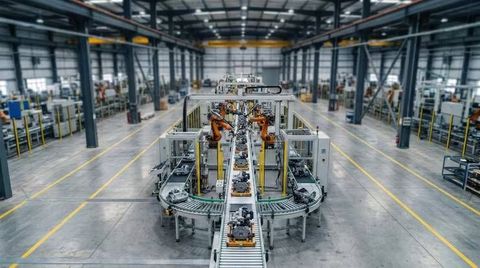
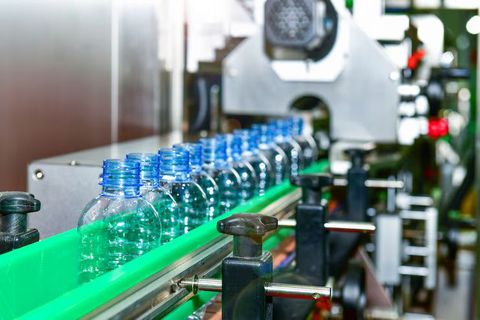
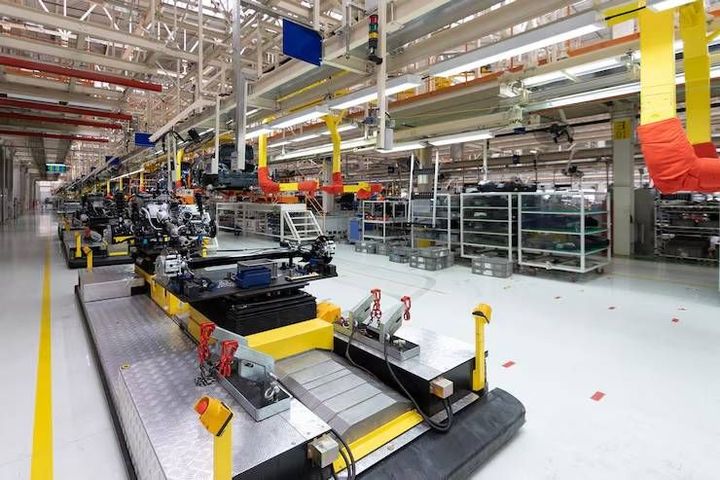
A modular manufacturing system may include conveyors, robotic cells, CNC equipment, automated inspection units, feeders, storage modules, control systems, sensors, and packaging equipment. Each module can communicate with other parts of the production system through industrial networks and automation controllers.
Scalable manufacturing technology extends this concept by allowing production capacity to expand through additional equipment, parallel modules, software changes, or process improvements. This makes modular production relevant to factories handling different product sizes, production volumes, and manufacturing processes.
How modular production systems work
A modular production line generally begins with a defined production sequence. Materials enter the system, move between processing stations, undergo inspection, and continue toward assembly, packaging, or another final operation.
Each module performs a specific function while exchanging information with other modules. Sensors can monitor position, temperature, pressure, speed, or material movement. Programmable logic controllers and industrial computers can coordinate these activities.
The modular structure can also simplify equipment replacement or rearrangement. For example, a manufacturer may add an automated inspection module between two existing production stages without redesigning every section of the facility.
Main equipment categories
Modular production equipment can be grouped according to its function.
- Material handling modules move components between production stages.
- Processing modules perform cutting, forming, machining, molding, welding, or other physical operations.
- Assembly modules combine components using manual, semi-automated, or robotic processes.
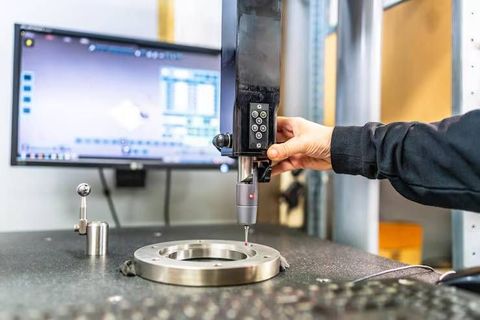
- Inspection modules use sensors, cameras, measurement equipment, or testing systems.
- Packaging modules prepare finished products for storage and distribution.
- Control modules coordinate machines, collect production information, and manage operating sequences.
This structure allows different combinations of equipment to support different manufacturing environments.
Importance
Modular production equipment matters because manufacturing requirements can change frequently. Product variations, production volumes, factory layouts, material requirements, and quality expectations may change during the operating life of a facility.
A fixed production line can be difficult to modify when a new process is introduced. Modular manufacturing technology provides a framework in which individual sections can be adjusted while other parts remain operational.
The approach also affects several groups within manufacturing. Engineers use modular systems when designing production layouts, operators interact with individual machine sections, maintenance teams work with separate equipment units, and managers evaluate capacity and production planning.
Addressing production challenges
Manufacturing facilities commonly face several operational challenges:
- Changing product specifications
- Variable production volumes
- Limited factory space
- Equipment compatibility requirements
- Increasing automation needs
- Data collection requirements
- Quality inspection demands
- Workforce training requirements
Modular equipment can address these challenges by dividing a complex production process into smaller functional units. This can make system planning and troubleshooting easier because individual modules have defined roles.
Scalable manufacturing technology is particularly relevant when production capacity changes over time. A facility may begin with a limited number of processing or assembly stations and later integrate additional modules when operational requirements increase.
Flexibility and factory planning
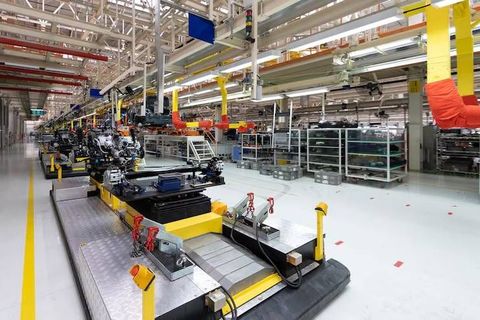
Factory planning is another important consideration. Modular equipment can be arranged in linear, U-shaped, cellular, or other layouts depending on material flow and available space.
For example, a production facility may use a compact cell for assembling small components, while a larger manufacturing environment may connect multiple processing and inspection modules through automated material handling systems.
The following table shows common modules and their roles.
| Module Type | Primary Function | Typical Technologies | Main Consideration |
|---|---|---|---|
| Material Handling | Component movement | Conveyors, robots, feeders | Material flow |
| Processing | Product transformation | CNC, presses, molding systems | Process accuracy |
| Assembly | Component integration | Robots, fixtures, torque tools | Repeatability |
| Inspection | Quality verification | Cameras, sensors, gauges | Measurement capability |
| Packaging | Product preparation | Wrappers, fillers, labeling systems | Product protection |
| Control | System coordination | PLCs, industrial PCs, HMIs | System integration |
| Data Collection | Production monitoring | Sensors, software platforms | Data consistency |
Recent Updates
Recent developments in modular production equipment have focused on digital connectivity, automation, energy management, flexible robotics, and data-based production monitoring. Modern systems increasingly combine physical equipment with software that provides information about machine conditions and production activities.
Industrial Internet of Things technology has become an important part of this development. Connected sensors can collect information from individual modules and transmit it to control or monitoring platforms. This information can help production teams understand equipment status, process conditions, and operating patterns.
Greater use of robotics
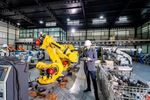
Robotic modules are becoming more adaptable to different production tasks. Depending on the application, robotic systems may handle components, perform assembly, load machines, conduct inspection, or move materials.
Collaborative robots are also being integrated into selected production environments where human workers and automated equipment operate in shared areas. Appropriate risk assessment, guarding, operating procedures, and training remain important.
Digital manufacturing integration
Manufacturers are increasingly connecting modular equipment with manufacturing execution systems, enterprise software, digital twins, and industrial analytics platforms. These connections can create a more complete view of production activity.
Digital twins can represent equipment or production processes within software environments. Engineers can use these models to examine layouts, production sequences, equipment interactions, and potential changes before implementing physical modifications.
Energy and resource monitoring
Energy efficiency has also become an important design consideration. Sensors and monitoring systems can track electricity use, compressed air consumption, temperature, motor operation, and other process variables.
Modern production equipment may include variable-speed drives, efficient motors, automated shutdown functions, and energy monitoring features. These technologies can help facilities understand how different modules contribute to overall resource consumption.
Modular automation and software
Software-based configuration is another developing area. Industrial controllers and automation platforms increasingly support standardized communication protocols and configurable control functions.
This can make it easier to integrate equipment from different stages of a production process, although compatibility still depends on communication standards, hardware interfaces, software architecture, and manufacturer specifications.
Laws or Policies
Rules affecting modular production equipment vary by country, industry, machine type, and intended use. Because requirements differ between jurisdictions, manufacturers and facility operators generally need to identify the regulations applicable to their specific location and equipment category.
Machinery safety requirements
Machinery regulations commonly address hazards involving moving components, electrical systems, heat, pressure, noise, unexpected startup, and automated movement. Risk assessment is an important part of equipment design and operation.
Typical safety measures may include:
- Physical guards around hazardous moving parts
- Emergency stopping systems
- Safety interlocks
- Warning indicators
- Protective sensors
- Safe maintenance procedures
- Operator instructions
- Appropriate personal protective equipment
Electrical and control-system requirements
Electrical safety rules may apply to control panels, wiring, motors, sensors, drives, and automation equipment. Electromagnetic compatibility requirements may also apply where electronic equipment could interfere with other systems.
Production facilities may additionally need to address pressure equipment, lifting equipment, environmental controls, fire protection, noise exposure, and workplace safety depending on the application.
Environmental considerations
Some modular production systems generate waste materials, emissions, wastewater, heat, or noise. Environmental rules can therefore influence equipment selection and factory layout.
Where applicable, facilities may need permits, monitoring systems, waste-management procedures, or emissions controls. Requirements should be assessed according to the industry and jurisdiction rather than assumed to be identical worldwide.
Tools and Resources
Several tools can support the planning and operation of modular production equipment. Computer-aided design software can be used to create equipment layouts, machine arrangements, and production cells.
Simulation software can model material movement, robotic paths, production sequences, and equipment interactions before physical installation. Manufacturing execution platforms can organize production information, while industrial analytics tools can process sensor data.
Other useful resources include:
- Equipment specification sheets for technical parameters
- Machine manuals for operating and maintenance information
- Factory layout templates for production planning
- Capacity calculators for estimating throughput requirements
- Risk assessment templates for identifying machine hazards
- Industrial communication documentation for system integration
- Maintenance management platforms for equipment records
- Energy monitoring software for resource analysis
Standardized documentation is especially important in modular systems because multiple machines and control platforms may interact with one another.
FAQs
What is modular production equipment?
Modular production equipment consists of separate machine or automation units that can be arranged and connected to perform manufacturing processes. Modules may handle material movement, processing, assembly, inspection, packaging, or control.
How does scalable manufacturing technology work?
Scalable manufacturing technology allows production capacity or functionality to change through additional modules, parallel equipment, software configuration, or process adjustments. The exact approach depends on the production system and factory requirements.
What equipment is used in a modular production line?
A modular production line may include conveyors, robotic systems, CNC machines, assembly stations, inspection cameras, sensors, feeders, packaging equipment, PLCs, industrial computers, and human-machine interfaces.
What are the advantages of modular production equipment?
Modular systems can provide greater flexibility in equipment arrangement and production planning. They can also separate complex processes into functional units, which may simplify system expansion, troubleshooting, and process modification.
What should be considered when planning modular manufacturing systems?
Important considerations include production flow, equipment compatibility, available space, safety requirements, automation level, data connectivity, maintenance access, energy consumption, operator interaction, and applicable regulations.
Conclusion
Modular production equipment divides manufacturing processes into connected functional units that can support flexible factory layouts and changing production requirements. Scalable manufacturing technology extends this approach through adaptable machinery, automation, robotics, digital connectivity, and production monitoring. Recent developments increasingly connect physical equipment with software, sensors, and industrial data systems. Safety regulations, electrical requirements, environmental controls, and industry-specific rules remain important considerations when designing and operating modular production systems.