Learn How Plywood Press Machines Improve Panel Quality and Production Efficiency
Plywood is an engineered wood panel made by joining thin layers of wood veneer with adhesive. The veneer sheets are normally arranged with their grain directions alternating between layers. This cross-layer construction helps create panels with useful strength, stability, and resistance to movement.
The basic idea behind pressing plywood has existed for many years, but modern equipment has introduced greater control over pressure, temperature, pressing time, and panel handling. These factors influence how effectively the veneer layers bond together. A consistent pressing process can also help reduce differences between panels produced during the same manufacturing cycle.
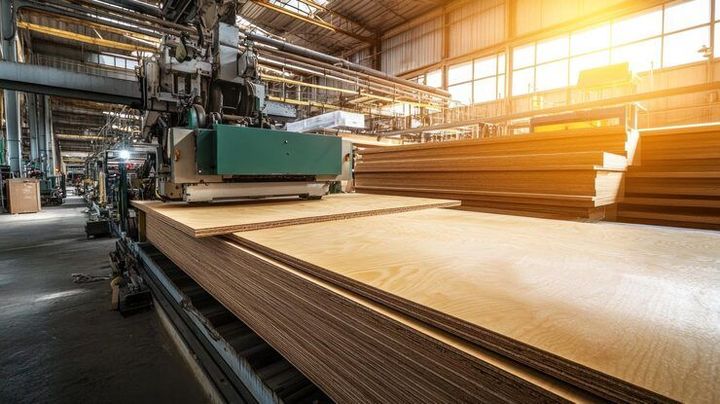
Plywood press machines are used in manufacturing environments where multiple veneer layers must be consolidated into a stable panel. Depending on the production system, equipment can include hydraulic presses, hot presses, cold presses, multi-opening presses, and automated press lines.
How the pressing process works
After veneer sheets are prepared and adhesive is applied, the layers are arranged in the required sequence. The assembled panel is then positioned inside the pressing equipment.
The press applies pressure across the panel surface. In hot pressing systems, heat is also transferred through the press plates. This combination helps the adhesive develop the required bond while bringing the veneer layers into close contact.
The main process variables include:
- Pressure applied across the panel
- Temperature of the press plates
- Pressing duration
- Veneer moisture condition
- Adhesive characteristics
- Panel thickness
- Number of veneer layers
Correct coordination of these factors is important because excessive or insufficient pressure can influence panel structure and bonding performance.
Main types of plywood press machines
Different production requirements can call for different press configurations. A hydraulic plywood press uses hydraulic cylinders to generate pressing force and is commonly associated with controlled compression of wood panels.
A hot press combines pressure and heat. It is widely associated with adhesive curing during plywood production. A cold press relies mainly on pressure and is used for processes where heat is not required at the same stage.
Multi-opening presses can process several panels or panel stacks within one pressing system. Automated systems may integrate loading, pressing, unloading, and process monitoring to reduce manual handling.
Importance
Plywood press machines matter because panel quality depends on more than the condition of the wood veneer. The adhesive must create suitable contact between layers, and the pressing stage helps establish that contact throughout the panel.
Inconsistent pressing can contribute to problems such as weak bonding, uneven thickness, surface irregularities, or internal gaps. A controlled pressing process helps manufacturers maintain more consistent production conditions and identify process variations earlier.
Improving panel quality
One major function of a plywood press machine is maintaining pressure across the panel surface. Uniform pressure helps bring the veneer layers together and supports consistent adhesive contact.
Temperature control is particularly important in hot pressing. If heat distribution varies significantly across a press plate, adhesive curing can progress differently in different parts of a panel. Modern equipment therefore focuses on maintaining controlled thermal conditions.
Panel thickness is another important quality factor. Pressing conditions can influence how closely the veneer layers consolidate. A suitable process helps maintain dimensions within the intended manufacturing range.
Supporting production efficiency
Production efficiency involves more than increasing the number of panels processed. It also includes reducing unnecessary interruptions, maintaining predictable cycle times, and limiting material losses associated with inconsistent processing.
Modern plywood press machines may include automated pressure controls, temperature monitoring, programmable operating cycles, and digital process displays. These features allow operators to monitor important variables without relying entirely on manual adjustments.
Automation can also improve repeatability. When similar panels are processed under consistent programmed conditions, variations caused by manual operation may be reduced.
Problems addressed by controlled pressing
A properly managed pressing stage can help address several manufacturing challenges:
- Uneven pressure across a panel
- Inconsistent adhesive curing
- Variations in panel thickness
- Veneer separation
- Surface unevenness
- Excessive processing interruptions
- Difficult manual monitoring
- Variations between production batches
These issues are important for manufacturers because panel performance can influence downstream activities such as cutting, machining, finishing, and installation.
People and industries affected
Plywood manufacturing affects several parts of the wood products sector. Veneer producers, panel manufacturers, furniture manufacturers, construction-material processors, and other wood-product operations may depend on consistent plywood quality.
For general users, the quality of plywood can influence the stability and appearance of finished products. Manufacturing equipment therefore has an indirect effect on furniture components, interior panels, structural applications, packaging materials, and other products that use engineered wood.
Recent Updates
The plywood manufacturing sector has increasingly focused on automation, process monitoring, energy management, and digital control. Recent equipment development has generally moved toward systems that provide operators with more information about pressing conditions.
Digital process monitoring
Modern press systems can incorporate digital sensors for monitoring pressure and temperature. Data from these sensors can help operators identify changes during a pressing cycle.
Some systems can record process information for production analysis. This can make it easier to compare operating conditions between batches and investigate quality variations.
Improved hydraulic control
Hydraulic technology continues to be important in plywood pressing. Contemporary systems can use electronically controlled hydraulic components to manage pressure changes during different stages of a cycle.
Controlled pressure application can help avoid sudden mechanical changes that may affect panel structure. It also provides greater flexibility when different panel specifications are processed.
Energy and heat management
Energy efficiency has become an important consideration in industrial wood processing. Press manufacturers are increasingly focused on improved heating systems, insulation, thermal distribution, and process control.
Efficient heat transfer can support consistent adhesive curing while reducing unnecessary thermal losses. The exact energy performance depends on machine design, operating conditions, panel specifications, and facility infrastructure.
Automation and production integration
Another current trend is integration between pressing equipment and other production stages. Automated loading and unloading systems can reduce repetitive material handling.
Digital control systems can also connect pressing information with broader production monitoring platforms. This approach supports more organized production records and can help identify recurring process variations.
The direction of development from 2024 through 2026 has generally emphasized greater automation, better process visibility, and more precise control rather than simply increasing mechanical pressing force.
Laws or Policies
Plywood manufacturing is influenced by several categories of rules, although the exact requirements differ between countries and regions. Manufacturers normally need to consider product standards, workplace safety requirements, environmental rules, machinery requirements, and wood-material regulations applicable to their operating location.
Product and material standards
Engineered wood products may need to meet applicable technical standards for dimensions, bonding performance, moisture characteristics, structural properties, or intended applications.
The relevant standard depends on the market, product category, and application. Manufacturers typically establish quality-control procedures around the requirements applicable to their products.
Workplace safety
Plywood press machines contain moving components, heated surfaces, hydraulic systems, and substantial mechanical forces. Workplace safety rules therefore commonly address machine guarding, emergency controls, operator training, maintenance procedures, and safe material handling.
Safety requirements should be considered during machine installation, operation, inspection, and maintenance.
Environmental considerations
Wood processing can involve adhesive emissions, wood dust, waste material, wastewater, and energy consumption. Environmental requirements may apply to emissions control, waste handling, ventilation, and workplace exposure.
Rules can vary considerably by jurisdiction, so manufacturers need to identify the regulations that apply to their specific facility and production process.
Wood sourcing and traceability
Some markets also have requirements concerning legally sourced timber and responsible supply chains. Documentation may be required to establish the origin or legal status of wood materials.
These requirements are separate from the mechanical operation of a plywood press machine but can influence the broader plywood manufacturing process.
Tools and Resources
Several tools can help operators and production teams understand and manage plywood pressing processes. The appropriate tools depend on the machine design and manufacturing requirements.
Pressure and temperature monitoring
Digital pressure gauges, temperature sensors, and data-logging systems can provide information about pressing conditions. These instruments can help operators identify deviations from established process parameters.
Production calculation tools
Manufacturers may use spreadsheets or production calculators to estimate panel dimensions, veneer requirements, pressing cycles, material usage, and production capacity.
A basic production planning table can organize important variables:
| Production factor | Typical purpose |
|---|---|
| Panel thickness | Defines the finished panel specification |
| Veneer layers | Determines panel construction |
| Press pressure | Supports layer consolidation |
| Press temperature | Supports adhesive curing in hot pressing |
| Pressing time | Determines cycle duration |
| Panel dimensions | Defines the working area requirement |
| Number of openings | Influences batch capacity |
| Monitoring data | Supports process consistency |
These values should be established according to the materials, adhesive system, equipment design, and applicable manufacturing specifications rather than using one universal setting.
Maintenance resources
Machine manuals, inspection checklists, maintenance schedules, hydraulic-system documentation, and electrical diagrams can support routine equipment management.
Common inspection areas may include hydraulic components, heating elements, press plates, seals, sensors, electrical connections, and safety systems. Regular inspection helps identify mechanical or control issues before they interfere with production.
Digital reference platforms
Technical standards databases, equipment manuals, manufacturer documentation, industrial training platforms, and engineering calculation software can provide useful background information. Production teams may also use digital maintenance-management platforms to organize inspection records and equipment history.
FAQs
What is a plywood press machine?
A plywood press machine is industrial equipment used to apply controlled pressure to layers of wood veneer during plywood production. Hot press systems also apply heat to support adhesive curing.
How does a plywood press machine improve panel quality?
A plywood press machine can support consistent pressure, controlled temperature, and defined pressing cycles. These conditions help create more uniform bonding and panel thickness when the materials and process are properly prepared.
What is the difference between a hot press and a cold press?
A hot press applies both pressure and heat, making it suitable for adhesive systems that require elevated temperatures for curing. A cold press mainly applies mechanical pressure and is used for processes where heating is not required at that stage.
What factors affect plywood press machine performance?
Important factors include pressure, temperature, pressing duration, veneer moisture, adhesive characteristics, panel thickness, press-plate condition, and machine maintenance. Changes in any of these factors can influence the pressing result.
Can automation improve plywood production efficiency?
Automation can improve process repeatability by controlling pressing cycles, monitoring operating conditions, and reducing some manual handling activities. Its effect depends on equipment configuration, production layout, operator practices, and material preparation.
Conclusion
Plywood press machines are an important part of engineered wood panel manufacturing because they help consolidate veneer layers under controlled conditions. Pressure, temperature, pressing time, material preparation, and equipment maintenance all influence panel consistency. Recent developments have focused on digital monitoring, automation, hydraulic control, and improved energy management. Manufacturing requirements are also shaped by applicable product standards, workplace safety rules, environmental requirements, and material-traceability policies.