Learn How Automated Storage Systems Improve Warehouse Efficiency and Inventory Management
Automated Storage and Retrieval Systems (AS/RS) are warehouse technologies designed to store, locate, and retrieve goods with limited manual movement. They combine storage structures, computer controls, sensors, conveyors, lifts, shuttles, or robotic equipment to organize inventory within a defined area.
Automated storage systems developed from the need to manage growing inventories while making better use of warehouse space and improving the accuracy of material movement.
Modern warehouses handle many product types, quantities, and order patterns. Traditional storage methods can require workers to travel repeatedly between storage locations, verify inventory manually, and coordinate several material-handling activities. Automated storage systems introduce controlled processes that connect inventory records with physical storage locations, helping warehouses manage these activities in a more structured way.
Context
What Are Automated Storage Systems?
Automated storage systems are equipment and software arrangements that place inventory into designated locations and retrieve it when required. Depending on the warehouse design, these systems can handle pallets, cartons, bins, containers, or individual items.
An automated storage and retrieval system generally includes several connected elements:
- Storage racks or compartments that organize physical inventory.
- Conveyors or transport equipment that move materials between warehouse areas.
- Automated cranes, shuttles, lifts, or robotic units that access storage positions.
- Sensors and identification systems that track material movement.
- Warehouse management software that records inventory locations and transactions.
The system receives information about an item and determines where it should be stored or retrieved. This creates a connection between the digital inventory record and the physical warehouse location.
How the Technology Developed
Warehouse automation emerged as businesses needed more organized methods for handling increasing volumes of materials. Early automated systems focused on pallet storage and retrieval, particularly in facilities where vertical space could be used efficiently.
Technology later expanded to smaller storage units, robotic mobile systems, shuttle-based arrangements, and goods-to-person workstations. Modern automated storage systems can therefore range from large pallet-handling installations to compact systems designed for bins and individual products.
Common Types of Automated Storage Systems
Different warehouse requirements call for different equipment configurations. Common categories include:
- Pallet AS/RS for large or heavy loads.
- Mini-load AS/RS for smaller containers and cartons.
- Shuttle systems for high-density storage lanes.
- Vertical lift modules for enclosed vertical storage.
- Carousel systems that bring stored items to a designated access point.
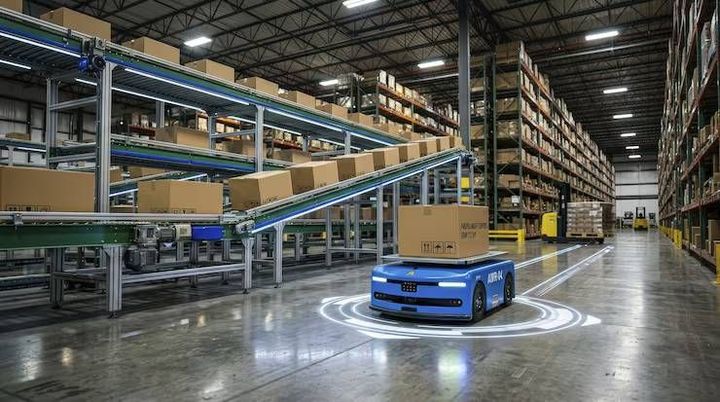
- Robotic storage systems that move containers or shelves within a controlled area.
The appropriate configuration depends on inventory characteristics, available space, throughput requirements, building structure, and integration with existing warehouse processes.
Importance
Improving Warehouse Space Utilization
Warehouse floor area is limited, while inventory requirements can change continuously. Automated storage systems can use vertical space and compact storage arrangements to organize more inventory within a defined footprint.
Vertical storage is particularly relevant in buildings where ceiling height provides additional usable space. Instead of relying primarily on floor-level access, automated equipment can retrieve materials from elevated storage positions.
Reducing Unnecessary Material Movement
In conventional warehouses, workers may walk or travel considerable distances to locate and collect inventory. Automated storage systems can bring containers or pallets toward designated work areas, reducing unnecessary movement inside the storage zone.
This approach is often called goods-to-person handling. Instead of an employee traveling to the inventory location, automated equipment transports the required material to an access point.
Supporting Inventory Accuracy
Inventory accuracy depends on correctly identifying items, quantities, and locations. Automated systems can record storage and retrieval transactions electronically, reducing dependence on handwritten records or manual location updates.
Barcode scanners, radio-frequency identification, sensors, and warehouse management software can work together to maintain digital inventory records. However, automation does not eliminate the need for accurate data, system maintenance, and appropriate operating procedures.
Supporting Warehouse Workers
Automation changes how people interact with warehouse inventory. Workers may spend less time traveling through storage aisles and more time performing activities such as order verification, packing, inspection, exception handling, and system supervision.
The effect depends on the specific warehouse process. Automated equipment can also introduce new responsibilities involving equipment monitoring, maintenance coordination, software operation, and safety procedures.
Key Warehouse Effects
| Warehouse factor | Traditional approach | Automated storage approach |
|---|---|---|
| Storage location | Manually assigned or recorded | System-controlled location management |
| Inventory movement | Primarily manual | Automated or semi-automated movement |
| Vertical space | May be underused | Can be integrated into storage design |
| Inventory records | Manual and digital processes | Greater system integration |
| Picking method | Person-to-goods common | Goods-to-person can be used |
| Tracking | Scanning or manual checks | Sensors, scanners, and software |
| Access control | Physical procedures | System-controlled access in many designs |
Recent Updates
Integration With Warehouse Software
Recent warehouse automation developments increasingly connect automated storage equipment with warehouse management systems and warehouse control software. This integration allows inventory records, equipment activity, and material movements to communicate through a shared digital process.
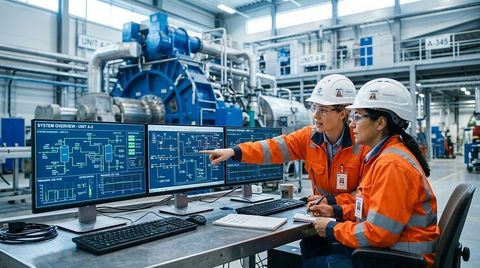
Warehouse operators can use software dashboards to monitor inventory locations, equipment status, order queues, and system exceptions. Better connectivity also supports data analysis for identifying bottlenecks and operational patterns.
Growth of Robotic Storage
Robotic storage has become an important area of warehouse automation. Mobile robots can move shelves, containers, or products within designated operating zones, while robotic systems can also support picking and replenishment activities.
The growing use of sensors, machine vision, navigation technology, and software coordination is expanding the range of tasks that can be automated. Human workers remain important for supervision, exception management, maintenance, quality checks, and activities that require judgment.
Greater Focus on Flexible Automation
Warehouse requirements can change because of product variety, seasonal demand, facility expansion, or changes in order patterns. As a result, warehouse automation is increasingly designed around modular equipment and software that can adapt to changing workflows.
Flexible automated storage systems can include scalable storage modules, configurable software rules, and transport equipment that can work across multiple warehouse processes.
Data-Based Inventory Management
Modern systems generate operational data about inventory movements, storage utilization, retrieval activity, and equipment performance. This information can help warehouse managers understand how storage capacity is being used and where process delays occur.
Data should still be interpreted carefully because automated measurements depend on sensor accuracy, system configuration, and the quality of inventory records.
Laws or Policies
Workplace Safety Requirements in India
In India, warehouse automation is influenced by workplace safety requirements, machinery safety practices, electrical requirements, fire protection provisions, and building-related rules. Requirements can vary according to the facility, equipment, industry, and location.
Automated storage systems can involve moving machinery, elevated loads, electrical equipment, sensors, conveyors, and restricted operating zones. Facilities therefore need appropriate safeguards such as guarding, emergency controls, access management, inspection procedures, and worker training.
Electrical and Fire Safety
Automated warehouse equipment normally requires electrical installations that meet applicable technical and safety requirements. Fire protection planning is also important because storage density, rack configuration, electrical equipment, and stored materials can affect facility safety arrangements.
Warehouses may need appropriate fire detection, emergency access, evacuation arrangements, and fire protection systems according to applicable building and safety requirements.
Data and Digital Systems
Warehouse management platforms can process operational information about inventory, equipment, employees, and transactions. Organizations should therefore consider applicable data protection, cybersecurity, access-control, and record-management requirements when connecting warehouse equipment to digital systems.
Specific compliance requirements depend on the organization and the type of information being processed. Automated storage equipment should also be operated according to manufacturer instructions and applicable workplace rules.
Tools and Resources
Warehouse Management Software
Warehouse management software helps maintain inventory records, storage locations, replenishment rules, receiving information, and order activity. Integration with automated storage systems allows digital instructions to coordinate physical inventory movement.
Warehouse Layout Tools
Warehouse planning software and layout tools can help visualize racks, aisles, conveyors, workstations, loading areas, and automated equipment. These tools are useful for evaluating how storage capacity and material flow interact.
Inventory Calculators
Inventory planning calculators can estimate storage capacity, inventory turnover, order volumes, replenishment requirements, and space utilization. Such calculations provide planning information rather than guaranteed operational results.
Barcode and RFID Systems
Barcode and RFID technologies help identify inventory as it enters, moves through, or leaves a warehouse. Their usefulness depends on appropriate labeling, scanning procedures, hardware configuration, and database accuracy.
Equipment Monitoring Platforms
Monitoring platforms can provide information about equipment status, alarms, operating cycles, and maintenance requirements. These systems can help warehouse teams identify operational interruptions and coordinate technical inspections.
FAQs
What are automated storage systems?
Automated storage systems use equipment, sensors, software, and storage structures to place and retrieve inventory with limited manual handling. They can be designed for pallets, cartons, bins, or individual items.
How do automated storage systems improve warehouse efficiency?
Automated storage systems can reduce unnecessary travel, organize storage locations, support faster material movement, and connect physical inventory with digital records. Results vary according to warehouse design and operating conditions.
What is an automated storage and retrieval system?
An automated storage and retrieval system, commonly called AS/RS, is a controlled arrangement that automatically stores and retrieves inventory using equipment such as cranes, shuttles, lifts, or robotic systems.
Can automated storage systems improve inventory management?
They can support inventory management by maintaining electronic location records, recording material movements, and coordinating storage and retrieval instructions. Accurate data and proper system operation remain essential.
Are automated storage systems suitable for every warehouse?
No single system is appropriate for every facility. Suitability depends on inventory characteristics, building dimensions, throughput requirements, storage density, workflow, software integration, safety requirements, and available infrastructure.
Conclusion
Automated storage systems connect physical warehouse storage with software-controlled inventory management and material movement. They can support better space utilization, reduce unnecessary travel, improve inventory visibility, and organize repetitive storage and retrieval activities. Recent developments increasingly combine robotics, sensors, warehouse software, and data analysis to create more connected warehouse environments. Safety procedures, accurate inventory information, equipment maintenance, and applicable regulations remain important parts of automated warehouse operations.