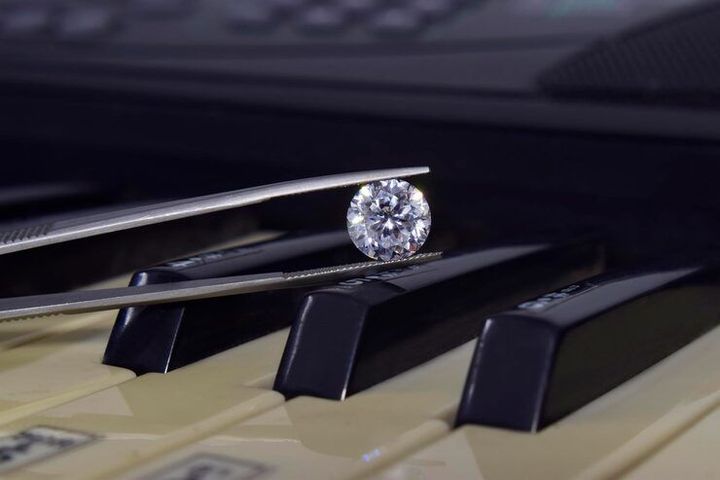
Lab Grown Diamond Guide for Understanding Modern Diamond Creation and Key Details
Lab grown diamonds are diamonds created through controlled technological processes rather than formed naturally deep within the Earth. They have the same basic chemical composition and crystal structure as natural diamonds, consisting primarily of carbon arranged in a diamond crystal lattice.
Modern diamond creation uses specialized equipment to reproduce conditions that allow carbon atoms to form diamond material.
The development of laboratory diamond technology began from scientific research into high-pressure materials and industrial diamond production. Over time, techniques became more precise, allowing manufacturers to create gem-quality diamonds with characteristics suitable for jewelry and other applications.
Two primary methods are used today: Chemical Vapor Deposition, commonly called CVD, and High Pressure High Temperature, known as HPHT. Both methods create diamond material, but their processes and equipment are different.
CVD uses a controlled chamber containing carbon-containing gases. Energy is introduced into the chamber, allowing carbon atoms to deposit onto a diamond seed and gradually form a larger crystal. HPHT uses high pressure and high temperature to reproduce conditions associated with natural diamond formation.
The resulting rough diamond can then undergo cutting, polishing, grading, and sometimes additional treatment. The finished stone can have characteristics such as color, clarity, carat weight, cut, and shape that are examined using established gemological methods.
How Lab Grown Diamonds Are Created
The production process generally begins with a small diamond seed. The seed provides a crystal structure onto which additional carbon material can form.
In CVD production, the seed is placed inside a controlled chamber. Carbon-containing gas is introduced, and energy creates a plasma that separates the gas molecules. Carbon atoms then deposit on the seed in layers.
HPHT production uses a different approach. Carbon material is placed in a specialized high-pressure system with a diamond seed. Under controlled pressure and temperature conditions, carbon dissolves and subsequently crystallizes around the seed.
After growth, the rough diamond may be examined and prepared for cutting. Cutting determines the final shape and proportions, while polishing creates the finished surfaces that influence how the diamond interacts with light.
Diamond Characteristics
Lab grown diamonds are evaluated using many of the same characteristics used for natural diamonds. These commonly include carat weight, color, clarity, cut, shape, polish, and symmetry.
Carat refers to weight rather than physical size alone. Two diamonds with the same carat weight can have different dimensions depending on their shape and proportions.
Color describes the visible body color of a diamond. Clarity refers to internal characteristics and surface features. Cut relates to the proportions, facet arrangement, and finishing of the stone and can influence brightness and visual appearance.
Importance
Understanding lab grown diamonds matters because they have become an established part of the modern diamond industry. Consumers, jewelry designers, manufacturers, gem laboratories, and retailers may encounter both laboratory-created and naturally formed diamonds within the same broader market.
The distinction between the two is primarily their origin. Natural diamonds form through geological processes over very long periods, while lab grown diamonds are created through controlled technological processes over a much shorter production period.
Lab Grown and Natural Diamonds
Lab grown and natural diamonds share important physical and chemical characteristics, but they have different formation histories. A laboratory-created diamond is not simply a diamond imitation because it has a diamond crystal structure.
Diamond simulants are different. Materials such as cubic zirconia and some forms of synthetic moissanite can resemble diamonds visually but have different chemical compositions and physical properties.
The following table summarizes the distinction:
| Characteristic | Lab Grown Diamond | Natural Diamond | Diamond Simulant |
|---|---|---|---|
| Origin | Controlled laboratory process | Geological formation | Manufactured or naturally occurring alternative material |
| Main Composition | Carbon | Carbon | Depends on material |
| Crystal Structure | Diamond crystal structure | Diamond crystal structure | Different from diamond |
| CVD or HPHT | Common production methods | Not a production method | Generally not applicable |
| Gemological Identification | Can be identified as laboratory-created | Identified as natural | Identified as non-diamond material |
| Cutting | Faceted or other shapes | Faceted or other shapes | Various shapes |
Why Identification Matters
Identification helps distinguish laboratory-created diamonds from natural diamonds and from non-diamond materials. Gem laboratories can use specialized instruments to examine growth characteristics, inclusions, fluorescence, spectroscopy, and other properties.
A grading or identification document can provide information about the examined stone. The document may identify its laboratory origin, measurements, carat weight, color, clarity, cut characteristics, and other relevant details.
Applications Beyond Jewelry
Diamonds are not limited to decorative use. Diamond material has industrial applications because of properties such as hardness, thermal conductivity, chemical resistance, and optical characteristics.
Industrial diamond applications can include cutting and grinding tools, heat-management components, scientific instruments, optical equipment, and specialized electronic research. Laboratory production allows researchers and manufacturers to control certain characteristics for particular technical applications.
Recent Updates
From 2024 through 2026, lab grown diamond technology has continued to develop through improvements in crystal growth, production control, cutting, grading, and identification. The broader industry has also placed greater attention on clear disclosure of laboratory origin and the distinction between laboratory-created diamonds and natural stones.
Improvements in Crystal Growth
CVD and HPHT systems have become increasingly sophisticated. Production equipment can control variables such as temperature, pressure, gas composition, energy input, and growth conditions.
Improved control can support more consistent crystal growth and can help manufacturers produce larger or more specialized diamond material. However, growth results can still vary depending on equipment, seed material, process parameters, and subsequent treatment.
Color and Post-Growth Treatment
Laboratory-created diamonds can display different color characteristics. Some stones may undergo additional treatment after growth to modify or improve their visual characteristics.
Treatments can involve processes intended to change color or other properties. Such treatments are separate from the fundamental process used to create the diamond and should be disclosed where applicable under relevant industry and consumer-information standards.
Identification Technology
As laboratory diamond production develops, gemological laboratories continue to use analytical equipment to distinguish growth methods and origins. Spectroscopic techniques, imaging, fluorescence analysis, and other laboratory methods can reveal characteristics associated with different growth environments.
Identification is important because visual inspection alone may not reliably establish whether a polished diamond is laboratory-created or naturally formed.
Digital Diamond Documentation
Digital records and grading databases are increasingly used to connect a diamond with its documentation. Information may include measurements, grading details, identification numbers, and images.
Digital documentation can make it easier to compare records with the physical inscription or identifying characteristics of a particular stone. The exact information depends on the laboratory issuing the document.
Laws or Policies
Lab grown diamonds are affected by consumer-protection rules, jewelry disclosure standards, gemstone terminology, precious-metal requirements, import procedures, and trade regulations. The specific legal framework differs by country and can change over time.
Disclosure of Laboratory Origin
A laboratory-created diamond should be clearly identified as laboratory-grown, laboratory-created, or another legally recognized term where required. It should not be represented as a naturally mined diamond.
The distinction is important because origin is a material characteristic of the stone. Jewelry descriptions, invoices, grading documents, and product labels may need to identify laboratory origin according to applicable rules.
Diamond Documentation
Grading laboratories can issue documents describing the characteristics of individual diamonds. These may identify whether the stone is laboratory-created and may provide information about color, clarity, cut, measurements, and carat weight.
Documentation terminology is not identical across all laboratories. Readers should therefore understand the definitions used by the organization that issued the document.
International Trade
International diamond trade can involve customs procedures, import and export documentation, sanctions screening, origin information, and other regulatory controls. Requirements can differ according to the countries involved and the type of transaction.
Laboratory-created diamonds and natural diamonds can have different documentation requirements. Businesses involved in international trade need to follow the rules applicable to their specific activities.
Jewelry Metal Requirements
When a lab grown diamond is placed into a ring, bracelet, necklace, or other jewelry item, the surrounding metal can be subject to separate standards. Gold, platinum, and silver may be covered by purity, hallmarking, or identification requirements depending on the jurisdiction.
Tools and Resources
Several tools can help readers understand lab grown diamonds. Diamond measurement charts explain relationships between dimensions, shapes, and carat weight. Gemological references can explain color, clarity, cut, fluorescence, symmetry, and other characteristics.
Laboratory documentation is another important resource. A grading or identification report can provide information about a specific stone rather than relying solely on a general description.
Useful resources include:
Diamond grading reports
Gemstone identification references
Diamond shape charts
Carat and measurement calculators
Diamond proportion diagrams
Spectroscopy reference materials
Digital grading databases
Jewelry design software
Diamond inscription verification tools
Gemological terminology guides
Jewelry measurement templates
A simplified overview of the two major growth methods is shown below:
| Growth Method | Basic Process | Main Controlled Conditions |
|---|---|---|
| CVD | Carbon deposits onto a diamond seed | Gas composition, energy, temperature, pressure |
| HPHT | Carbon crystallizes around a diamond seed | High pressure, high temperature, growth environment |
Choosing a Diamond Shape
Lab grown diamonds can be cut into many of the same shapes used for natural diamonds. Round, oval, cushion, emerald, pear, marquise, radiant, and princess shapes are commonly recognized in jewelry design.
Shape is separate from cut quality. A round diamond can have different cut characteristics, while an emerald-shaped diamond can also vary in proportions, polish, and symmetry.
Understanding Diamond Reports
A diamond report can contain several technical fields. Readers may encounter carat weight, measurements, color grade, clarity grade, cut information, polish, symmetry, fluorescence, and comments concerning treatments or growth origin.
The report should be considered together with the actual stone. A laboratory document describes the characteristics identified during examination and does not replace an understanding of the terminology used.
FAQs
What is a lab grown diamond?
A lab grown diamond is a diamond created through a controlled technological process rather than geological formation. CVD and HPHT are the two main methods used to create laboratory diamonds.
How are lab grown diamonds made?
CVD creates diamond by depositing carbon onto a diamond seed within a controlled chamber. HPHT uses high pressure and high temperature to encourage carbon to crystallize around a diamond seed.
Are lab grown diamonds real diamonds?
Lab grown diamonds have a diamond crystal structure and are primarily composed of carbon, like natural diamonds. They are different from diamond simulants, which have different chemical compositions and crystal structures.
How can a lab grown diamond be identified?
Specialized gemological equipment can examine growth characteristics, spectroscopy, fluorescence, inclusions, and other features. A laboratory report can identify the examined stone and provide additional grading information.
What are the main characteristics of a lab grown diamond?
Important characteristics include carat weight, color, clarity, cut, shape, polish, symmetry, measurements, and growth origin. Some stones may also have information concerning post-growth treatments.
Conclusion
Lab grown diamonds are diamonds created through controlled CVD or HPHT processes rather than geological formation. They can possess the diamond crystal structure and are evaluated using characteristics such as carat weight, color, clarity, cut, shape, and symmetry. Recent developments have focused on growth control, identification technology, digital documentation, and clearer origin disclosure. Regulations concerning laboratory origin, jewelry descriptions, trade documentation, and precious metals vary according to jurisdiction.