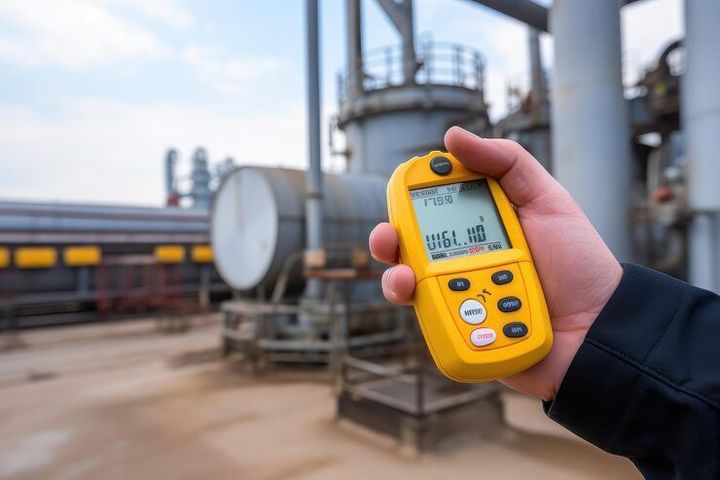
Industrial Decibel Monitoring Devices Information With Noise Assessment and Monitoring Details
Industrial decibel monitoring devices are instruments used to measure sound levels in workplaces, production facilities, construction areas, transportation environments, and other locations where machinery or equipment creates noise.
These devices help convert sound pressure into measurable decibel values, making it easier to understand how loud an environment is and how noise changes over time.
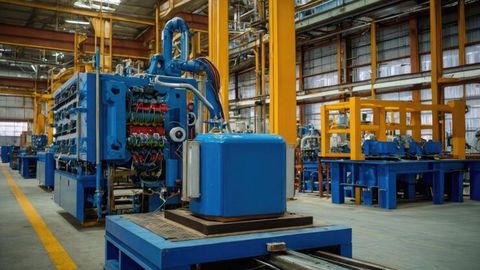
Industrial noise can come from motors, compressors, pumps, generators, ventilation equipment, cutting systems, presses, conveyors, and other mechanical processes. Because sound levels can vary throughout a working period, noise assessment often involves repeated measurements rather than relying on a single reading.
Understanding Decibel Measurement
A decibel, commonly written as dB, is a logarithmic unit used to describe sound level. This means that a small numerical change does not represent a simple proportional change in acoustic energy.
Many industrial decibel monitoring devices can measure A-weighted sound levels, represented as dB(A). A-weighting adjusts measurements to reflect the approximate sensitivity of human hearing across different frequencies. Other measurements may use C-weighting, represented as dB(C), particularly when low-frequency or peak sounds need additional consideration.
Types of Monitoring Devices
Different instruments are designed for different monitoring purposes. Common categories include:
- Sound level meters for spot measurements and general environmental assessments.
- Integrating sound level meters for measurements that vary over a period.
- Personal noise dosimeters for assessing an individual's noise exposure during a working period.
- Acoustic calibrators for checking whether a measurement instrument is operating within its required calibration range.
- Data-logging sound meters for recording measurements that can later be reviewed and analyzed.
The appropriate instrument depends on the purpose of the assessment, the duration of monitoring, the characteristics of the noise, and the applicable measurement procedure.
Importance
Noise assessment matters because prolonged or intense workplace noise can affect communication, concentration, comfort, and hearing. Excessive noise can also make it harder for workers to hear alarms, instructions, warning signals, or other important sounds.
Industrial decibel monitoring provides measurable information that can help organizations understand where noise levels are elevated and whether conditions vary during different production activities.
Who Is Affected by Industrial Noise
Industrial noise can affect several groups, including machine operators, maintenance personnel, production workers, contractors, nearby workers, and people located close to industrial facilities.
The potential exposure pattern differs between individuals. A person working beside a machine throughout a shift may experience a different exposure from someone who enters the same area periodically.
Why Noise Assessment Requires More Than One Reading
A single measurement may not represent the overall acoustic environment. Machinery can start and stop, production rates can change, and different processes can create different sound patterns.
A structured assessment may therefore examine:
- Average sound level during a selected period.
- Maximum recorded level.
- Peak sound pressure where relevant.
- Duration of exposure.
- Frequency characteristics.
- Differences between operating conditions.
- Location-specific sound levels.
These measurements can create a clearer picture of how noise behaves rather than relying on an isolated observation.
Example Noise Monitoring Data
| Measurement Item | Typical Purpose |
|---|---|
| dB(A) | General assessment of sound as perceived by human hearing |
| dB(C) | Assessment where lower-frequency or high-level sounds are relevant |
| Maximum level | Identifies the highest measured sound level during a period |
| Peak level | Captures very short-duration high sound pressure events |
| Time-weighted average | Represents exposure over a defined monitoring period |
| Exposure duration | Shows how long a person or area experiences a particular noise level |
The values in this table describe measurement concepts rather than universal legal limits. Applicable limits depend on the jurisdiction, workplace conditions, measurement method, and relevant regulation.
Recent Updates
From 2024 through 2026, industrial noise monitoring has increasingly incorporated digital measurement, automated data recording, and software-based analysis. Modern instruments can store large quantities of measurement information, allowing users to examine changes across production periods rather than manually recording every observation.
Digital Noise Monitoring
Digital sound meters increasingly combine measurement hardware with internal memory, displays, data logging, and computer or mobile-device connectivity. These features can make it easier to organize measurements from multiple areas.
Some systems also provide graphical representations of sound levels over time. This can help identify periods when machinery creates higher noise levels, such as during startup, material handling, or particular production cycles.
Continuous Monitoring Trends
Continuous or scheduled monitoring is becoming more relevant where noise conditions change frequently. Instead of checking an area only occasionally, organizations can collect measurements during different operating conditions and compare the results.
Network-connected monitoring systems may also allow measurements from multiple locations to be reviewed through centralized software. Such systems can be useful for facilities with several production zones.
Improved Measurement Features
Recent equipment trends include improved data storage, automated time histories, configurable frequency analysis, and easier transfer of measurement records. However, additional features do not automatically make an instrument appropriate for every regulatory assessment.
Instrument selection still needs to consider accuracy, measurement range, calibration requirements, environmental conditions, and the applicable technical standard.
Laws or Policies
Industrial noise is regulated differently across jurisdictions. Workplace safety authorities and environmental agencies may establish requirements covering occupational noise exposure, environmental noise, measurement procedures, hearing protection, recordkeeping, and workplace controls.
Workplace Noise Rules
Many regulatory systems distinguish between short-duration high noise and longer-duration exposure. Some rules use an exposure limit combined with a specified measurement duration, while others apply different criteria depending on the industry or workplace activity.
For this reason, an industrial decibel monitoring device should not be selected solely because it displays a particular numerical range. The measurement capabilities should correspond with the applicable assessment method.
Environmental Noise Requirements
Environmental noise policies can address sound that travels beyond an industrial facility. These requirements may consider the time of day, surrounding land use, measurement location, tonal characteristics, and duration of noise.
Industrial facilities may therefore need separate approaches for occupational noise inside a workplace and environmental noise outside the facility.
Calibration and Measurement Procedures
Reliable noise assessment generally requires properly maintained and calibrated equipment. Acoustic calibration before or after measurement can help identify whether an instrument's response has changed.
Records may include the instrument identification, calibration information, measurement location, date and time, operating conditions, weighting settings, and measured results. Consistent documentation makes later review easier.
Because regulations vary, readers should consult the applicable national or regional authority for the specific legal requirements governing their location.
Tools and Resources
Noise monitoring involves more than the measuring instrument itself. Several supporting tools can help organize measurements and interpret results.
Sound Level Meters and Dosimeters
A sound level meter is generally appropriate when measuring sound at a particular location. A personal noise dosimeter is designed around exposure experienced by an individual over a period.
For detailed workplace assessments, both approaches may be relevant because area measurements and personal exposure measurements answer different questions.
Acoustic Calibrators
An acoustic calibrator produces a controlled sound level at a specified frequency. It can be used with compatible measurement instruments to check their response before and after monitoring.
Calibration records should be retained according to the applicable measurement procedure and equipment requirements.
Noise Assessment Software
Software platforms can organize recorded measurements, display time histories, calculate exposure-related metrics, and generate reports. Spreadsheet applications can also be used for simpler datasets when calculations are properly structured.
Useful records may include:
- Measurement location
- Equipment identification
- Date and monitoring period
- Sound level readings
- Weighting settings
- Maximum and peak values
- Operating conditions
- Calibration information
- Notes about unusual events
Noise Mapping
Noise mapping combines measurements from multiple locations to show how sound levels vary across a facility or surrounding area. A map can help illustrate areas with different acoustic conditions and support a broader assessment of noise distribution.
FAQs
What are industrial decibel monitoring devices used for?
Industrial decibel monitoring devices measure sound levels produced by machinery, equipment, production processes, and other sources. The resulting data can be used for workplace noise assessment, environmental monitoring, exposure analysis, and documentation.
How does an industrial noise assessment work?
An industrial noise assessment generally identifies noise sources, selects appropriate measurement locations, records sound levels under relevant operating conditions, and analyzes the results according to the applicable measurement procedure.
What is the difference between a sound level meter and a noise dosimeter?
A sound level meter measures sound at a location, while a noise dosimeter is generally worn by an individual to record personal noise exposure over a period. The two instruments therefore provide different types of information.
Why is dB(A) commonly used for industrial noise monitoring?
dB(A) applies an A-weighting that approximates the frequency response of human hearing. It is widely used for assessing general noise exposure, although other weightings may be required for particular measurements.
How often should industrial noise monitoring be performed?
The appropriate monitoring frequency depends on workplace conditions, changes in machinery or production processes, applicable regulations, and previous assessment results. Facilities with changing noise conditions may require more frequent measurements than environments with stable conditions.
Conclusion
Industrial decibel monitoring devices provide measurable information about sound levels from machinery, equipment, and industrial processes. Noise assessment can involve sound level meters, dosimeters, calibration equipment, data logging, and software analysis. Modern monitoring systems increasingly emphasize digital recording and longer-term data analysis, while regulatory requirements continue to vary by jurisdiction and application. Accurate measurement depends on suitable equipment, appropriate procedures, calibration, and clear documentation.