Ice Cave Photography Tips for Capturing Frozen Landscapes and Crystal Formations
Ice cave exploration adventures provide an opportunity to discover natural underground ice formations, frozen chambers, icy tunnels, and unusual geological structures.
Ice cave exploration involves entering naturally formed or glacier-related spaces to observe their structures, colors, textures, and environmental characteristics.
Many visitors consider ice cave guided tours when planning outdoor adventures in colder destinations. These experiences provide opportunities to understand glacier environments while learning about natural processes. However, ice caves are dynamic environments, meaning their appearance and accessibility can change throughout the year.
What Are Ice Caves?
Ice caves are underground or partially enclosed spaces containing significant ice formations. Some develop within glaciers through melting water channels, while others form in rocky environments where freezing temperatures preserve accumulated ice.
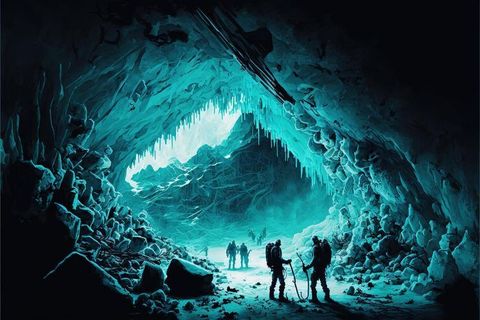
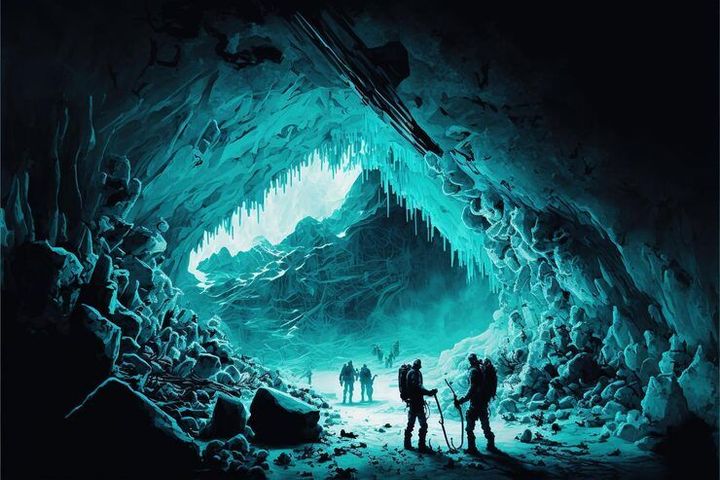
Their interiors may feature transparent walls, frozen ceilings, narrow passages, and naturally sculpted surfaces. Blue and turquoise shades sometimes appear because dense ice absorbs certain wavelengths of light.
Importance of Ice Cave Exploration
Exploring ice caves provides educational and recreational value. Visitors can observe geological structures, understand glacial movement, and learn how temperature influences natural landscapes.
These environments also help researchers study glacier behavior, seasonal changes, and the relationship between water and ice. For travelers, guided glacier cave tours provide structured opportunities to experience landscapes that are otherwise difficult to access.
Educational and Environmental Benefits
Ice cave exploration introduces visitors to several important environmental concepts:
Glacier formation: Understanding how accumulated snow gradually becomes dense ice.
Water movement: Observing how melting water creates channels and passages.
Climate awareness: Learning how temperature changes influence glacier conditions.
Geological processes: Discovering how natural forces shape underground environments.
These experiences can encourage greater awareness of fragile mountain ecosystems and changing environmental conditions.
Popular Destinations for Ice Cave Exploration
Several destinations are associated with glacier caves and seasonal ice formations. Their accessibility depends on weather, glacier conditions, and local safety arrangements.
Iceland is particularly recognized for its glacier environments, including areas around Vatnajökull. Other opportunities exist in parts of Norway, Switzerland, Austria, and Alaska.
Types of Exploration Experiences
Ice cave adventure trips can include guided walking experiences, glacier excursions, photography activities, and educational visits. Some destinations provide seasonal access to naturally formed glacier caves.
Travelers researching Iceland ice cave excursions should consider seasonal conditions, transportation arrangements, group requirements, and the experience level needed for particular routes.
Planning an Ice Cave Adventure
Preparation is important because glacier environments involve cold temperatures, uneven surfaces, and changing conditions. Travelers should research destinations before arranging an excursion.
Ice cave exploration packages may include transportation, specialist guides, protective equipment, and scheduled activities. Package details differ between destinations, so visitors should review the specific arrangements carefully.
Essential Clothing and Equipment
Appropriate preparation generally includes:
Insulated jackets and thermal clothing.
Waterproof trousers and weather-resistant footwear.
Gloves, warm socks, and protective headwear.
Helmets and other protective equipment when required.
Cameras with suitable protection against cold conditions.
Equipment requirements depend on the destination and the planned route. Visitors should follow the instructions provided by qualified guides.
Ice Cave Safety and Environmental Conditions
Ice caves can change quickly because of temperature fluctuations, melting water, falling ice, and structural movement. A passage that appears accessible at one time may become unsafe later.
For this reason, visitors should avoid entering unfamiliar caves independently. Guided exploration is generally more appropriate because experienced professionals can assess access conditions and explain necessary precautions.
Important Safety Considerations
Visitors should understand these basic precautions:
Follow the guide's instructions throughout the experience.
Stay within designated exploration areas.
Avoid touching unstable ice formations.
Never enter restricted or closed passages.
Check weather and local access information before departure.
Travelers should also understand that excursions may be postponed or canceled when environmental conditions become unsuitable.
Comparing Ice Cave Exploration Options
Different exploration experiences involve varying levels of physical activity, preparation, and accessibility.
| Exploration Type | Main Activity | General Consideration |
|---|---|---|
| Guided ice cave tours | Walking inside accessible caves | Suitable routes depend on conditions |
| Glacier cave excursions | Exploring glacier environments | May require specialist equipment |
| Ice cave photography | Capturing natural ice formations | Lighting conditions can vary |
| Glacier hiking tours | Walking across glacier surfaces | Physical preparation is important |
| Educational cave visits | Learning about ice formation | Focuses on geological knowledge |
Responsible Ice Cave Tourism
Responsible exploration helps protect delicate natural environments. Ice formations can be damaged through unnecessary contact, littering, or entering restricted spaces.
Visitors should respect local conservation guidelines, avoid disturbing wildlife, and carry their waste out of natural areas. Choosing organized activities that follow appropriate environmental and safety practices can also support responsible tourism.
Frequently Asked Questions
When Is the Best Time for Ice Cave Exploration?
The suitable season depends on the destination. Some glacier caves are accessible during colder months, while other locations have different seasonal arrangements.
Are Guided Glacier Cave Tours Suitable for Beginners?
Some guided experiences accommodate beginners, depending on the route, weather, and physical requirements. Visitors should check experience requirements before booking.
What Equipment Is Needed for Ice Cave Hiking Tours?
Typical requirements include warm clothing, waterproof footwear, gloves, and protective equipment. Additional equipment may be supplied according to the activity.
Are Ice Cave Exploration Packages Available Throughout the Year?
Availability varies by location and environmental conditions. Some caves are seasonal, while others have more consistent access arrangements.
Conclusion
Ice cave exploration offers opportunities to discover unusual natural formations and understand glacier environments. Careful planning, suitable clothing, qualified guidance, and environmental awareness are important parts of the experience. By respecting local safety requirements and natural surroundings, visitors can enjoy educational and memorable outdoor exploration.