Hydraulic Control Units Overview With Hydraulic Technology and Technical Information
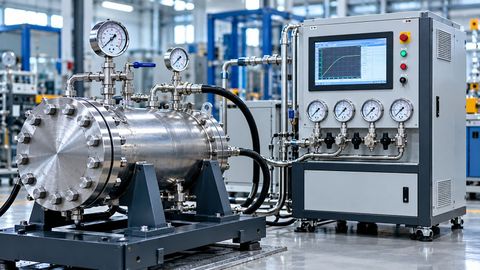
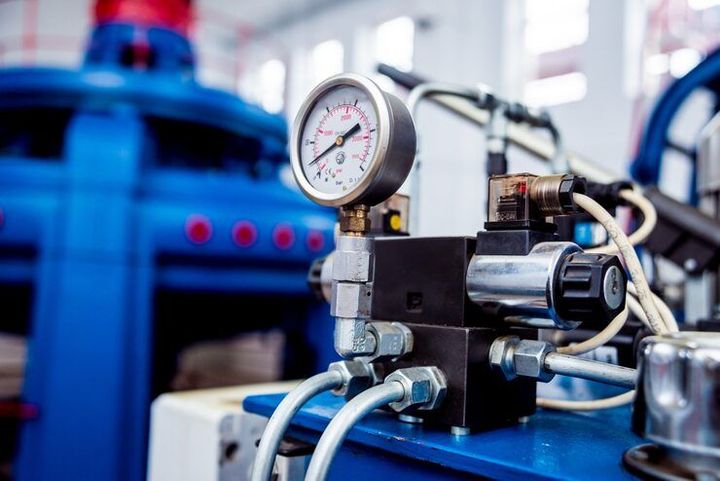
Hydraulic control units are assemblies used to manage the movement, pressure, direction, and flow of hydraulic fluid within a machine. They connect hydraulic power sources with actuators such as cylinders and hydraulic motors, allowing mechanical equipment to perform controlled movements.
Hydraulic technology has developed from basic fluid-pressure systems into sophisticated control arrangements used in industrial machinery, construction equipment, agricultural machines, material-handling systems, manufacturing equipment, and mobile machinery. The underlying principle is relatively simple: pressurized fluid transfers energy from one location to another.
A typical hydraulic system contains a reservoir, pump, control unit, actuator, piping or hoses, and control elements. The pump moves hydraulic fluid, while the hydraulic control unit determines where that fluid travels and how much pressure or flow is available to the actuator.
How Hydraulic Control Works
Hydraulic control units operate by directing fluid through specific pathways. Directional valves can determine whether an actuator extends, retracts, or remains stationary. Pressure-control valves help limit or regulate pressure, while flow-control valves influence actuator speed.
Electronic sensors and controllers can also be integrated into modern hydraulic systems. These components can monitor pressure, temperature, position, and flow, allowing machines to adjust hydraulic operation according to changing conditions.
Main Components
Common components found in hydraulic control units include:
- Hydraulic valves for directing and regulating fluid
- Manifolds for connecting several hydraulic pathways
- Pressure-control devices for managing system pressure
- Flow-control components for regulating fluid movement
- Filters for reducing contamination within hydraulic circuits
- Sensors for measuring operating conditions
- Accumulators for storing hydraulic energy temporarily
- Hoses and fittings for transferring fluid between components
The exact configuration depends on the machine, required pressure, flow rate, actuator type, operating environment, and control method.
Importance
Why Hydraulic Control Units Matter
Hydraulic control units are important because precise fluid control directly affects how hydraulic machinery behaves. Poor control can result in irregular movement, excessive pressure, overheating, component wear, or inefficient energy use.
For general users, hydraulic technology may not be visible because many components are enclosed inside machinery. However, hydraulic control systems can influence lifting, pressing, positioning, steering, clamping, drilling, forming, and other mechanical operations.
Industries using hydraulic control units commonly include manufacturing, construction, agriculture, transportation, mining, energy, marine equipment, and material handling.
Problems They Help Address
Hydraulic control units help machines manage several technical challenges:
- Controlling actuator direction
- Maintaining suitable hydraulic pressure
- Regulating movement speed
- Protecting components from excessive pressure
- Managing multiple hydraulic functions
- Monitoring system conditions
- Reducing uncontrolled machine movement
- Coordinating hydraulic and electronic controls
Modern systems may combine hydraulic components with electronic sensors and programmable controllers. This approach is often called electro-hydraulic control and can provide more precise machine operation.
Hydraulic Control Unit Types
Different applications require different arrangements. A simple unit may use manually operated valves, while a complex industrial hydraulic control unit can include proportional valves, electronic controls, sensors, and diagnostic functions.
| Hydraulic Control Unit Type | Main Function | Common Application |
|---|---|---|
| Directional control unit | Controls fluid direction | Cylinders and actuators |
| Pressure control unit | Regulates system pressure | Industrial machinery |
| Flow control unit | Controls fluid flow | Speed regulation |
| Electro-hydraulic unit | Combines electronics and hydraulics | Automated equipment |
| Manifold control unit | Integrates multiple valves | Compact hydraulic systems |
| Mobile hydraulic unit | Controls hydraulic functions on mobile equipment | Construction and agricultural machinery |
Recent Updates
Digital Hydraulic Technology
Recent developments in hydraulic control technology have increasingly focused on electronic monitoring, sensor integration, energy efficiency, and automation. Instead of relying only on mechanical valve operation, newer systems can combine hydraulic components with electronic controllers.
Sensors can collect information about pressure, temperature, position, and flow. A controller can then use this information to adjust valves or other components. This creates a feedback system in which hydraulic operation can respond to machine conditions.
Energy Efficiency and System Monitoring
Hydraulic equipment can lose energy through pressure drops, heat generation, leakage, and unnecessary fluid movement. Modern hydraulic control systems increasingly use variable-displacement pumps, electronically controlled valves, load-sensing arrangements, and improved system monitoring to manage energy more effectively.
Another development is condition monitoring. Temperature and pressure information can help identify unusual operating conditions before they develop into larger equipment problems. This does not eliminate mechanical inspection, but it can provide additional information for maintenance planning.
Compact Hydraulic Assemblies
Hydraulic manifold technology has also developed toward more compact arrangements. Instead of connecting every valve through separate external piping, several control functions can be integrated into a manifold block.
This can reduce the number of external connections and create a more organized hydraulic circuit. Compact designs can be particularly useful where machine space is limited.
Updated Standards and Certification Activity
Technical standardization continues to evolve. In India, the Bureau of Indian Standards maintains standards covering machinery safety and hydraulic-related components, while its standards portal provides access to current standard information. BIS also lists recent changes to its conformity-assessment framework through 2026.
The Machinery and Electrical Equipment Safety framework has also undergone amendments and updates during 2025 and 2026. Its scope includes several categories of machinery, including construction, earthmoving, mining, pumping, and other equipment where applicable.
Laws or Policies
Machinery Safety Requirements in India
Hydraulic control units are generally components within larger machines, so applicable requirements depend on the complete equipment, its application, and the standards relevant to that machine.
India's Occupational Safety, Health and Working Conditions framework includes provisions concerning machinery safeguarding and workplace safety. The framework addresses areas such as safe machinery operation, lifting equipment, workplace conditions, and protection of workers from machinery-related hazards.
For hydraulic equipment used in factories or industrial environments, organizations may therefore need to consider workplace safety requirements alongside technical standards applicable to the equipment.
BIS Standards
BIS standards can provide technical specifications and safety principles for particular equipment and components. BIS explains that certification is generally voluntary unless a product is specifically brought under mandatory requirements through government notifications or quality-control orders.
The BIS standards system also provides a way to search standards by product name or Indian Standard number and review related amendments and technical information.
Because hydraulic control units can be part of many different machine categories, the applicable standard should be determined according to the complete machine and its intended application rather than assuming that one requirement applies to every hydraulic assembly.
Tools and Resources
Hydraulic Design and Calculation Tools
Several technical tools are useful when studying or designing hydraulic systems. Hydraulic pressure-flow calculators can help users understand relationships between pressure, flow, actuator force, and actuator speed.
Common resources include:
- Hydraulic circuit diagrams for understanding fluid pathways
- Pressure and flow calculators for basic system calculations
- Valve sizing references for selecting suitable control components
- Hydraulic cylinder calculators for estimating force and movement
- Fluid-selection charts for comparing hydraulic-fluid characteristics
- Manufacturer technical manuals for component specifications
- CAD software for hydraulic manifold and machine design
- Condition-monitoring instruments for measuring pressure and temperature
- Standards databases for checking applicable technical requirements
Understanding Technical Specifications
Important specifications may include maximum operating pressure, rated flow, valve configuration, port size, operating temperature, fluid compatibility, response characteristics, and electrical requirements where electronic controls are used.
A hydraulic control unit should always be considered as part of the wider hydraulic circuit. A component that appears suitable by pressure rating alone may not be appropriate if its flow capacity, fluid compatibility, temperature range, connection type, or control method does not match the complete system.
FAQs
What is a hydraulic control unit?
A hydraulic control unit is an assembly that manages hydraulic fluid pressure, flow, and direction within a machine. It commonly includes valves, manifolds, sensors, pressure-control components, and related hydraulic parts.
How does a hydraulic control unit work?
It directs pressurized hydraulic fluid toward the required actuator while regulating pressure and flow. Depending on the design, manual valves, electronic controls, sensors, or programmable controllers may manage these functions.
What are the main hydraulic control unit components?
Common hydraulic control unit components include directional valves, pressure valves, flow-control valves, manifolds, filters, sensors, accumulators, hoses, and fittings. The actual combination varies by application.
What is an electro-hydraulic control unit?
An electro-hydraulic control unit combines hydraulic components with electronic controls. Sensors can provide information about pressure, temperature, position, or flow, while electronic controllers can adjust hydraulic valves according to operating conditions.
Why is hydraulic pressure important?
Hydraulic pressure affects the force that an actuator can produce and must remain within the limits of the system components. Excessive pressure can create safety risks and component damage, while insufficient pressure can prevent machinery from performing its intended movement.
Conclusion
Hydraulic control units provide the connection between hydraulic power generation and controlled machine movement. Their functions include regulating pressure, directing fluid, controlling flow, and coordinating hydraulic actuators. Recent hydraulic technology increasingly combines valves and manifolds with electronic sensors, controllers, monitoring systems, and energy-management features. Applicable safety requirements and technical standards depend on the machine, application, and regulatory framework involved.