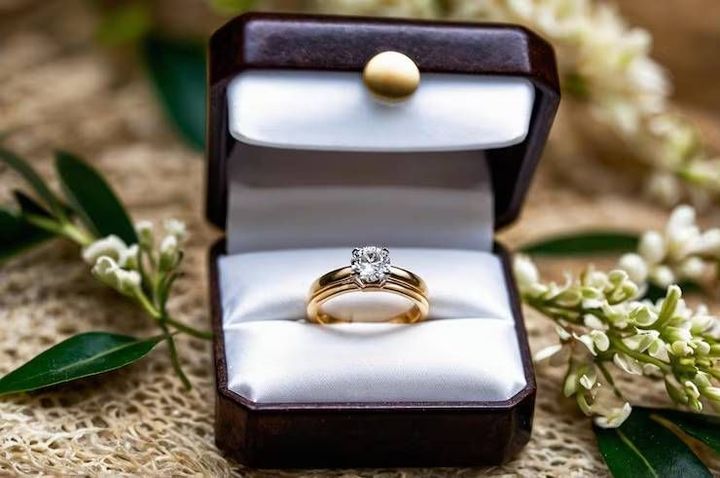
Halo Engagement Rings Information With Diamond Settings and Design Ideas
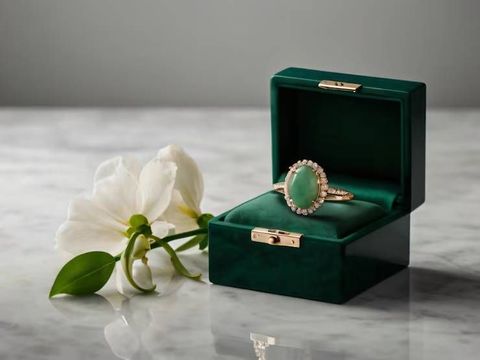
Halo engagement rings feature a central gemstone surrounded by a circle of smaller diamonds or other gemstones. This arrangement creates a distinctive outline around the main stone and adds detail to the ring's overall appearance.
Halo engagement rings are available in various shapes, metals, diamond arrangements, and setting styles, making them a recognizable option within contemporary and traditional jewellery designs.
The halo design developed from decorative jewellery traditions in which smaller stones framed a central gemstone. Similar arrangements appeared in antique jewellery, particularly during periods when intricate metalwork and carefully arranged gemstones were important design elements. Modern manufacturing methods have expanded these traditional ideas through improved stone placement, precision settings, and a wider selection of diamond shapes.
A typical halo engagement ring consists of three main elements: the centre stone, the surrounding halo, and the ring band. Some designs include additional diamonds along the band, while others maintain a simple metal structure to emphasize the central arrangement. Double halos, hidden halos, and geometric variations provide further design possibilities.
Understanding these features helps people compare halo engagement rings with solitaire, three-stone, and other engagement ring styles. The choice depends on personal preferences, everyday activities, maintenance requirements, and the relationship between the centre stone and the surrounding diamonds.
Importance
Why Halo Engagement Rings Matter
Halo engagement rings remain relevant because they combine decorative detail with a flexible design structure. The surrounding diamonds can create a more elaborate appearance without requiring the centre stone to be the only visual feature. Depending on the arrangement, the halo can also make the central gemstone appear larger than its actual dimensions.
This visual effect is particularly noticeable when the smaller diamonds closely follow the outline of the centre stone. However, the result depends on the halo's width, the size of the individual diamonds, the centre stone's shape, and the setting height. A halo does not change the actual carat weight or physical dimensions of the main gemstone.
Who May Prefer This Design
Halo engagement rings appeal to people with different jewellery preferences. Some appreciate the detailed appearance, while others prefer the additional sparkle created by multiple diamonds.
Common design preferences include:
Classic styling: A single halo surrounding a round diamond in a traditional metal band.
Contemporary styling: Geometric halos, asymmetrical arrangements, or contrasting metal colours.
Vintage-inspired styling: Milgrain edges, engraved bands, and intricate metalwork.
Minimal styling: A small halo with a narrow band and limited additional decoration.
Elaborate styling: Double halos, diamond-set shoulders, or a coordinated wedding band.
Everyday Considerations
The arrangement of small diamonds introduces practical considerations. Halo settings contain more individual stones and small spaces where dust, soap residue, and other debris can accumulate. Regular cleaning and occasional professional inspection help maintain the appearance and structural condition of the ring.
Setting height also affects comfort and usability. Higher settings may catch on clothing or gloves, while lower-profile designs can be more convenient during everyday activities. The band width, ring size, and placement of decorative stones should also be considered when evaluating comfort.
Recent Updates
Contemporary Halo Engagement Ring Trends
Recent design developments through 2024–2026 reflect a broad interest in personalisation, alternative gemstone shapes, and combinations of traditional and contemporary elements. Rather than following a single dominant style, current designs accommodate different preferences in colour, proportions, and decorative detail.
Oval and elongated centre stones remain prominent in modern halo designs because their proportions create a distinctive outline. Pear-shaped, emerald-cut, cushion-cut, and radiant-cut gemstones also appear in halo arrangements. Each shape produces a different visual effect, depending on the orientation and spacing of the surrounding diamonds.
Hidden halos have also attracted attention. In this design, a small circle of diamonds sits beneath the centre stone rather than forming a visible frame from above. This arrangement adds detail when the ring is viewed from the side while preserving the main gemstone's outline from a top-down perspective.
Metal Choices and Personalisation
White gold, yellow gold, rose gold, and platinum continue to provide different backgrounds for halo diamond settings. White metals often create a visually continuous appearance with colourless diamonds, while yellow and rose gold introduce warmer tones. The choice of metal can influence the overall style and the ring's maintenance requirements.
Personalisation may include engraved bands, coloured centre gemstones, mixed-metal construction, or variations in halo shape. Laboratory-grown diamonds are another option in the contemporary jewellery market. They have essentially the same chemical composition and crystal structure as natural diamonds, although their origins differ.
The following table compares common halo engagement ring designs.
Design type | Main features | General appearance |
|---|---|---|
Classic single halo | One circle of small diamonds | Balanced and traditional |
Double halo | Two surrounding diamond circles | More elaborate and detailed |
Hidden halo | Diamonds beneath the centre stone | Subtle side-view detail |
Oval halo | Oval centre with matching outline | Elongated appearance |
Cushion halo | Square or rectangular centre with rounded corners | Soft, vintage-inspired styling |
Coloured gemstone halo | Centre stone framed by diamonds | Contrast between colours |
Vintage halo | Decorative metalwork and detailed settings | Antique-inspired character |
These descriptions explain general design differences rather than fixed standards. Individual rings can combine several features, such as an oval centre stone, a hidden halo, and a diamond-set band.
Diamond Shape, Size, and Proportion
The relationship between the centre stone and the surrounding diamonds is important when assessing halo engagement rings. A narrow halo creates a different visual balance from a wider arrangement, even when both rings contain centre stones of similar dimensions.
The centre stone's cut quality, proportions, and alignment also affect how light interacts with the ring. Small diamonds can contribute additional sparkle, but the appearance depends on their quality, placement, and cleanliness. A well-proportioned design generally maintains a consistent outline without distracting gaps or uneven spacing.
Laws or Policies
Jewellery Disclosure and Consumer Protection
The rules governing engagement rings vary by country, so there is no single worldwide policy covering every aspect of diamond jewellery. Relevant requirements may address accurate product descriptions, gemstone identification, metal purity, consumer rights, and the disclosure of treatments or laboratory-grown origins.
Descriptions of diamonds should distinguish between natural and laboratory-grown stones when that distinction is relevant to the transaction. Claims about carat weight, gemstone identity, metal purity, and treatments should be supported by appropriate documentation or testing. Independent grading reports can help readers understand a diamond's reported characteristics, although a grading report does not automatically establish the quality of the entire ring.
Hallmarking and Metal Purity
Precious-metal marking systems help identify the composition or purity of gold, platinum, and other regulated metals. The applicable marking requirements depend on the country and the type of jewellery involved.
For example, Indian jewellery buyers may encounter Bureau of Indian Standards hallmarking requirements for covered precious-metal articles. Hallmarking and the associated identification system can help establish metal purity, but they do not independently verify every diamond characteristic.
People comparing halo engagement rings should distinguish between a metal hallmark, a diamond grading report, and a retailer's product description. Each serves a different purpose, and none should be treated as a substitute for all the others.
Advertising and Product Descriptions
Jewellery advertising should describe features accurately and avoid unsupported claims about durability, gemstone quality, or long-term value. Terms describing diamond origin, clarity, colour, and certification should correspond to the actual item and its supporting records.
Consumers should also understand the written terms associated with resizing, repairs, returns, and warranties. These conditions may differ by seller and jurisdiction, so the applicable documentation is more informative than a general statement about industry practices.
Tools and Resources
Diamond Evaluation Tools
Several tools can help readers understand the characteristics of halo engagement rings before comparing individual designs. Their usefulness depends on the accuracy of the information entered and the reliability of the underlying data.
Diamond proportion diagrams: Illustrate measurements and the relationship between a gemstone's dimensions.
Diamond grading reports: Provide information about characteristics such as carat weight, colour, clarity, and cut where applicable.
Ring size charts: Help estimate finger size, although professional measurement can be more reliable when sizing is uncertain.
Ring design configurators: Allow users to compare centre stone shapes, metal colours, halo arrangements, and band styles.
Jewellery maintenance guides: Explain routine cleaning practices and signs that a setting may require inspection.
Comparing Design Specifications
A structured comparison can make the differences between two rings easier to understand. Recording the same information for each design reduces the likelihood of comparing unrelated specifications.
Specification | What to examine | Why it matters |
|---|---|---|
Centre stone | Shape, dimensions, and carat weight | Establishes the main gemstone's characteristics |
Halo arrangement | Single, double, or hidden | Defines the surrounding design |
Small diamonds | Number, dimensions, and reported quality | Influences visual detail and maintenance |
Metal | Type and purity | Affects appearance and care requirements |
Setting height | Low, medium, or high profile | Influences comfort and snagging potential |
Band design | Width, thickness, and decoration | Affects proportions and daily wear |
Documentation | Grading report and metal markings | Helps verify specified characteristics |
Care and Maintenance Resources
Routine care helps prevent the gradual accumulation of dirt around small diamonds. A soft brush, lukewarm water, and a suitable mild cleaning solution may be appropriate for some rings, but the correct method depends on the gemstone, metal, and setting. Harsh chemicals, abrasive materials, and unsuitable cleaning equipment may damage certain finishes or gemstones.
A jeweller can inspect the prongs, halo alignment, and band for signs of wear. This is particularly relevant for rings with many small stones because a loose diamond may be difficult to notice during ordinary use. Professional assessment is also appropriate when the ring has visible damage or when the wearer is uncertain about a safe cleaning method.
FAQs
What Is a Halo Engagement Ring?
A halo engagement ring has a central gemstone surrounded by smaller diamonds or other gemstones. The arrangement creates a decorative border and can make the centre stone appear larger, depending on the design.
Do Halo Engagement Rings Make Diamonds Look Bigger?
Yes, the surrounding diamonds can create an optical effect that makes the centre stone appear larger. The effect depends on the halo's dimensions, the centre stone's shape, and the overall setting proportions.
What Is the Difference Between a Single and Double Halo?
A single halo has one circle of surrounding stones, while a double halo has two. A double halo generally creates a wider, more elaborate appearance and includes additional small stones.
Are Halo Diamond Rings Suitable for Everyday Wear?
They can be suitable for everyday wear when the setting is well constructed and maintained. Lower-profile designs may reduce snagging, while regular inspections can help identify loose stones or worn prongs.
How Should Halo Engagement Rings Be Cleaned?
Cleaning methods depend on the gemstone and setting materials. Gentle cleaning may be appropriate for many diamond rings, but the manufacturer's care instructions or a qualified jeweller's guidance should be followed when the correct method is uncertain.
Conclusion
Halo engagement rings combine a central gemstone with surrounding diamonds to create a distinctive frame and a range of decorative possibilities. Design variations include classic single halos, double halos, hidden halos, and arrangements featuring different gemstone shapes and metal colours. Proportions, setting height, metal purity, and maintenance requirements are important considerations when understanding these rings. Accurate product descriptions and appropriate documentation help clarify gemstone characteristics and metal composition.