Green Jewellery Packaging Ideas With Eco-Friendly Designs and Packaging Materials
Green jewellery packaging refers to the use of environmentally conscious materials and designs for storing, protecting, and presenting jewellery. Traditional jewellery packaging often includes plastic inserts, synthetic fabrics, laminated paper, and decorative materials that can be difficult to recycle.
Eco-friendly alternatives focus on reducing unnecessary waste while maintaining the protection and appearance expected from jewellery boxes, pouches, and gift packaging.
The concept has developed alongside growing awareness of waste management, responsible material use, and sustainable product design. Jewellery items such as rings, necklaces, earrings, bracelets, and pendants often require individual compartments or protective wrapping. Green jewellery packaging ideas address these needs through recyclable paper, reusable fabric pouches, moulded pulp inserts, and other materials selected with their environmental impact in mind.
Sustainable packaging does not necessarily mean removing all decoration or protection. Instead, it involves considering the entire packaging design, including the materials used, the amount of packaging required, its durability, and what happens after the jewellery is unpacked.
Common Materials Used in Green Jewellery Packaging
Several materials can be used to create environmentally conscious jewellery boxes and pouches. Each has different properties, making it suitable for particular jewellery types and packaging purposes.
Recycled paper and cardboard: These materials are commonly used for jewellery boxes, sleeves, inserts, and outer packaging. Their environmental performance depends on recycled content, coatings, adhesives, and local recycling facilities.
Kraft paper: Recognised by its natural brown appearance, kraft paper is used for boxes, wrapping, tags, and paper pouches. Uncoated varieties are generally easier to recycle than heavily laminated alternatives.
Organic cotton: Cotton pouches can protect small jewellery pieces and may be reused for storage. Their environmental impact depends on farming practices, processing, dyeing, and how frequently they are reused.
Jute and other plant-based fibres: These materials can create textured pouches and drawstring bags. Their suitability depends on fibre processing, stitching, durability, and the additional materials used.
Moulded paper pulp: Made from processed paper fibres, moulded pulp can form protective inserts for rings, earrings, and pendants.
Wood and bamboo: These materials can be used for rigid jewellery boxes. Their sustainability depends on responsible sourcing, manufacturing methods, coatings, and product lifespan.
The appropriate material depends on the jewellery item's shape, weight, fragility, and storage requirements.
Importance
Green jewellery packaging matters because packaging waste can accumulate across manufacturing, distribution, retail, gifting, and online deliveries. Small jewellery boxes may contain several separate layers, including an outer carton, a foam insert, a fabric lining, a plastic sleeve, and decorative wrapping. Some of these components are difficult to separate for recycling.
Eco-friendly jewellery packaging ideas help address this issue by reducing unnecessary materials, improving recyclability, and encouraging the reuse of durable containers. They also help consumers understand how packaging choices relate to waste reduction and resource conservation.
Benefits for Consumers and the Environment
Packaging decisions affect jewellery makers, retailers, manufacturers, gift buyers, and people who store jewellery at home. A thoughtfully designed package can protect jewellery while limiting the amount of material that becomes waste.
Important considerations include:
Waste reduction: Smaller boxes and fewer unnecessary layers can reduce the amount of packaging discarded after use.
Material recovery: Paper-based packaging without unsuitable coatings or mixed-material components may be easier to recycle where appropriate facilities exist.
Repeated use: Durable boxes and fabric pouches can serve as jewellery storage containers after the original packaging purpose has ended.
Product protection: Proper inserts and secure closures help prevent scratches, tangling, and damage during transportation.
Material awareness: Clear packaging labels can explain whether a component is reusable, recyclable, compostable, or intended for another disposal route.
Sustainable packaging also involves practical challenges. A lightweight paper box may not provide sufficient protection for a heavy jewellery item during shipping. Similarly, a compostable material may not break down effectively in ordinary household waste conditions. Selecting materials requires balancing protection, durability, disposal options, and environmental considerations.
Green Jewellery Packaging Ideas for Different Items
The design should reflect the size, shape, and fragility of the jewellery being packaged.
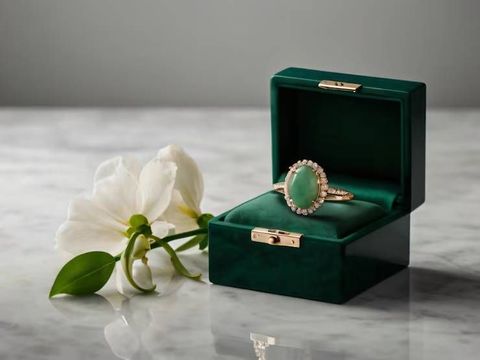
Rings: Small cardboard boxes with paper-based inserts can hold rings securely and reduce the need for plastic foam.
Necklaces: Flat cardboard holders with slots or carefully positioned attachments can help prevent chains from tangling.
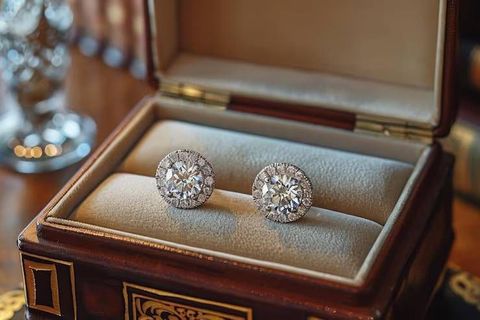
Earrings: Recycled paper cards with small holes or secure fittings can keep pairs together.
Bracelets: Longer boxes or fabric pouches can accommodate wider designs without excessive packaging.
Gift sets: A reusable rigid box with removable paper compartments can hold several pieces while supporting future storage.
These approaches demonstrate that eco-friendly packaging can remain practical and visually appealing without relying on unnecessary decorative layers.
Recent Updates
Recent developments in green jewellery packaging have focused on material transparency, simplified packaging structures, recycled content, and designs intended for repeated use. Across the packaging industry, manufacturers are exploring ways to reduce unnecessary components and improve the compatibility of packaging with existing waste-management systems.
Emerging Eco-Friendly Packaging Designs
Minimalist jewellery packaging has become an important design direction. Plain kraft boxes, understated printed labels, paper-based inserts, and restrained decoration can create a clean appearance while reducing the number of materials involved. The environmental outcome still depends on the materials selected and how the packaging is manufactured and disposed of.
Another development is the use of packaging made from recycled fibres and agricultural by-products. Depending on their processing and availability, these materials may provide alternatives to some conventional packaging components. Their suitability must be assessed against requirements such as strength, moisture resistance, appearance, and product protection.
Reusable packaging is also receiving attention. Fabric pouches, sturdy jewellery boxes, and compact containers can remain useful after the initial presentation. However, reuse provides a meaningful environmental benefit only when the packaging is used repeatedly and its durability justifies the resources required to produce it.
Comparison of Eco-Friendly Jewellery Packaging Materials
| Packaging material | Common application | Main consideration |
|---|---|---|
| Recycled cardboard | Jewellery boxes and sleeves | Check coatings and local recycling acceptance |
| Kraft paper | Wrapping and outer packaging | Consider strength and moisture protection |
| Cotton fabric | Reusable jewellery pouches | Reuse frequency and textile production matter |
| Jute fabric | Drawstring bags and gift packaging | Check lining materials and durability |
| Moulded paper pulp | Protective inserts | Assess shape, strength, and recyclability |
| Wood or bamboo | Rigid jewellery boxes | Check sourcing, finishes, and product lifespan |
The table provides a general comparison rather than a universal environmental ranking. Material production, transportation, reuse, and disposal can change the overall impact of each option.
Laws or Policies
Green jewellery packaging is influenced by waste-management rules, packaging regulations, recycling systems, and environmental-claim requirements. The applicable rules depend on the country where the packaging is manufactured, supplied, imported, or discarded.
Packaging Regulations in India
In India, the Plastic Waste Management Rules, 2016, as amended, provide a framework for managing plastic waste. Extended Producer Responsibility requirements for plastic packaging establish responsibilities for covered producers, importers, and brand owners, subject to the applicable provisions and exemptions.
The framework is relevant to jewellery businesses that use plastic sleeves, synthetic inserts, protective films, or other plastic packaging. Businesses should check the current requirements applicable to their activities rather than assuming that all packaging is subject to identical obligations.
India's waste-management framework also encourages appropriate segregation, collection, recycling, and responsible disposal. Replacing certain plastic components with paper or fabric may change how packaging is managed, but alternative materials still need to be assessed for their own environmental effects.
Environmental Claims and Packaging Labels
Environmental descriptions should be accurate and supported by evidence. Terms such as recyclable, compostable, biodegradable, and recycled content refer to different properties and should not be treated as interchangeable.
For example, a recyclable cardboard box may not be accepted by every local recycling programme if it has certain coatings or attached components. Similarly, a compostable pouch may require specific industrial composting conditions rather than ordinary household disposal.
Packaging labels can help explain material composition and disposal instructions. Businesses should avoid broad environmental claims that cannot be substantiated and should review relevant consumer-protection, labelling, and packaging requirements in their target market.
Tools and Resources
Several practical tools can help with planning green jewellery packaging and comparing material options. The aim is to understand the packaging requirements before selecting a design.
Packaging Planning and Material Assessment
A packaging checklist can help identify the dimensions, protective features, materials, and disposal requirements of each component. A simple spreadsheet can record the packaging weight, recycled content, number of components, expected reuse, and local recycling compatibility.
Useful resources include:
Packaging material calculators: These can help estimate material quantities based on box dimensions, thickness, and packaging volume.
Material supplier specifications: Technical documents can explain fibre content, coatings, adhesives, durability, and relevant certifications.
Local recycling guidance: Municipal waste-management information can clarify which materials are accepted by nearby recycling facilities.
Packaging design software: Computer-aided design tools can help develop box dimensions, inserts, folds, and layouts before physical samples are produced.
Life-cycle assessment resources: These provide frameworks for examining environmental impacts across material production, transportation, use, and disposal.
A Practical Packaging Selection Checklist
Before choosing eco-friendly jewellery packaging, consider the following points:
Product protection: Determine whether the packaging can prevent scratches, tangling, movement, and damage.
Material composition: Check whether the box, insert, lining, adhesive, and decoration use compatible materials.
Recyclability: Confirm whether the packaging can be processed through the waste-management facilities available in the intended market.
Reuse potential: Assess whether the box or pouch is durable and useful beyond its initial purpose.
Labelling: Provide accurate information about material composition and disposal where appropriate.
Packaging quantity: Avoid adding unnecessary layers, oversized boxes, or decorative components that do not serve a practical purpose.
Testing sample packaging can help identify weaknesses before a design is adopted for regular use. The assessment should include both the appearance of the package and its performance during handling and transportation.
FAQs
What are the most common green jewellery packaging ideas?
Common ideas include recycled cardboard boxes, kraft paper sleeves, cotton or jute pouches, moulded paper inserts, and reusable jewellery containers. The appropriate choice depends on the jewellery type, required protection, and available disposal options.
Which eco-friendly materials are suitable for jewellery boxes?
Recycled cardboard and responsibly sourced paperboard are commonly used for jewellery boxes. Wood and bamboo can also be suitable for durable containers when sourcing and finishes are considered. The material should protect the jewellery while remaining appropriate for the intended reuse or disposal route.
Is kraft paper jewellery packaging environmentally friendly?
Kraft paper packaging can be a practical option because uncoated paper is generally compatible with paper recycling systems where facilities accept it. However, plastic laminates, unsuitable adhesives, and other mixed materials may affect recyclability. The full packaging design should be assessed rather than considering the paper alone.
How can jewellery packaging be reused?
Sturdy jewellery boxes can be used for home storage, while fabric pouches can hold individual pieces during travel. Paper inserts may also be retained when they remain useful for organising earrings, rings, or necklaces. Reuse depends on the packaging remaining durable and functional.
What should be checked before choosing sustainable jewellery packaging?
Consider material composition, product protection, packaging weight, recycled content, expected reuse, and local disposal facilities. Environmental claims should also be supported by reliable information, particularly when packaging is described as biodegradable, compostable, or recyclable.
Conclusion
Green jewellery packaging combines product protection with thoughtful material selection, efficient design, and responsible disposal. Recycled cardboard, kraft paper, moulded pulp, reusable fabric pouches, and durable containers provide several options for different jewellery types. The environmental impact of each option depends on its production, composition, useful lifespan, and disposal conditions. A practical packaging approach considers the entire package rather than relying on a single material label to determine its sustainability.