Certified Gemological Appraisals Guide With Diamond Grading and Jewelry Insights
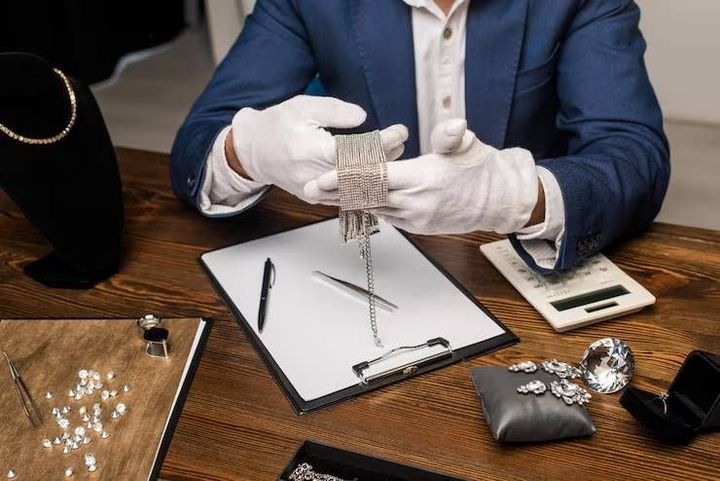
Certified gemological appraisals are structured evaluations used to document the identity, characteristics, quality factors, and stated value of gemstones, diamonds, and jewelry. A qualified gemologist examines an item using visual inspection, measurement equipment, gemological instruments, and established grading principles.
Gemological appraisal developed from the need to identify precious materials and document jewelry characteristics more consistently. As diamonds, colored gemstones, precious metals, and finished jewelry became more widely traded, professional examination became useful for separating physical characteristics from assumptions based on appearance alone.
A diamond grading report and a jewelry appraisal are related but are not identical documents. A grading report generally describes characteristics such as diamond color, clarity, cut-related features, measurements, and carat weight. An appraisal may examine the complete jewelry item and assign a monetary value for a stated purpose, such as insurance documentation, estate planning, or replacement analysis.
What a Gemological Appraisal Examines
The examination can include several physical and descriptive elements:
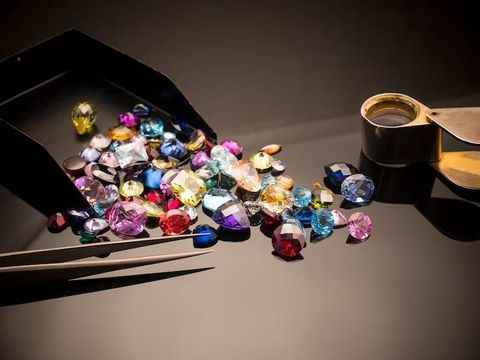
- Gemstone identity, including whether a stone is diamond, ruby, sapphire, emerald, or another material
- Natural, laboratory-grown, or treated characteristics when these can be determined
- Carat weight and gemstone measurements
- Color, clarity, transparency, and cutting characteristics
- Precious-metal type and markings
- Mounting design, construction, and condition
- Diamond grading information when an appropriate laboratory report is available
- Photographs, identifying marks, and other documentation
The final document should clearly state what was examined, the purpose of the valuation, the assumptions used, and the limitations of the assessment.
Diamond Grading and Appraisal Differences
Diamond grading usually focuses on objective characteristics. The familiar 4Cs—color, clarity, cut, and carat weight—provide a standardized framework for describing many diamonds.
An appraisal goes further by considering the complete item and the purpose of the valuation. For example, a ring appraisal may describe the center diamond, smaller diamonds, metal, design, condition, and other relevant characteristics before determining a stated value under a defined market assumption.
| Document or Assessment | Main Purpose | Typical Information |
|---|---|---|
| Diamond grading report | Describe diamond characteristics | 4Cs, measurements, proportions, identifying details |
| Gem identification report | Identify gemstone material | Species, variety, treatments, laboratory observations |
| Jewelry appraisal | Establish a stated value | Item description, materials, condition, valuation basis |
| Insurance appraisal | Document replacement-related value | Detailed item description and stated replacement value |
| Estate appraisal | Support estate documentation | Identification, condition, valuation basis, supporting details |
Importance
Certified gemological appraisals matter because jewelry can contain materials that are difficult to identify accurately through appearance alone. Two stones may look similar while differing significantly in composition, treatment, origin characteristics, or laboratory classification.
Documentation also helps create a consistent record. Jewelry can change hands, be repaired, redesigned, inherited, or submitted for insurance purposes. A detailed appraisal provides information that may otherwise be difficult to reconstruct later.
Who Uses Gemological Appraisals
Different people may need an appraisal for different reasons. Common situations include:
- Jewelry owners documenting valuable pieces
- Families preparing estate records
- Collectors maintaining records of gemstones
- Individuals documenting inherited jewelry
- Insurance policyholders maintaining item descriptions
- Jewelry professionals requiring gemological information
- Institutions handling collections or donated objects
The purpose matters because valuation terminology can vary. An insurance-related replacement figure, fair market value, liquidation value, and other valuation concepts are not interchangeable.
Why Documentation Matters
A detailed appraisal can record measurements, identifying features, photographs, gemstone descriptions, metal information, and condition observations. These details can make a jewelry item easier to recognize later.
Documentation is also useful when an item has distinctive characteristics. Engraving, mounting style, gemstone arrangement, dimensions, and photographs can help distinguish one piece from another.
Recent Updates
The gemological field has continued to change as laboratory-grown diamonds, advanced treatments, digital documentation, and improved analytical equipment have become more common. These developments have increased the importance of clearly identifying the material being evaluated.
Laboratory-Grown Diamonds
Laboratory-grown diamonds have become an established category within the diamond market. They possess the same basic crystal structure as natural diamonds, but their origin is different. Modern gemological laboratories use specialized equipment to distinguish laboratory-grown diamonds from natural diamonds.
This distinction is important in diamond grading and jewelry appraisal because the origin category can affect the description and valuation methodology used in an appraisal.
Digital Gemological Documentation
Digital records are increasingly used alongside printed reports. High-resolution photographs, report databases, digital certificates, laser inscriptions, and electronic records can make identification information easier to store and retrieve.
Digital documentation does not automatically make an assessment more accurate. The reliability of a report still depends on the qualifications of the examiner, examination methods, laboratory procedures, and information available at the time of assessment.
Advanced Testing Equipment
Modern gemological laboratories use instruments designed to examine optical, physical, and spectroscopic characteristics. Equipment may help identify treatments, distinguish natural gemstones from synthetic materials, and separate laboratory-grown diamonds from natural diamonds.
For consumers, this means that a visual examination alone may not provide enough information for certain gemstones or diamonds. Some conclusions require laboratory-level testing.
Laws or Policies
Gemological appraisal practices are affected by consumer protection rules, advertising requirements, valuation standards, insurance documentation requirements, and disclosure rules. Exact requirements differ among jurisdictions, so an appraisal prepared for one country or legal purpose may not automatically satisfy another country's requirements.
Disclosure of Gemstone Characteristics
A professional appraisal should distinguish between facts that were directly observed and conclusions based on testing, documentation, or assumptions. Information concerning laboratory-grown diamonds, gemstone treatments, synthetic materials, and imitation materials should be presented clearly when relevant.
Valuation Terminology
The valuation basis should be identified in the document. Terms such as replacement value, market value, and liquidation value describe different concepts and should not be treated as interchangeable.
Government agencies and professional organizations in many jurisdictions also maintain rules concerning precious-metal descriptions, consumer disclosures, taxation, insurance documentation, and professional valuation practices. Requirements can change, particularly as laboratory-grown gemstones and digital documentation become more common.
Appraisal Qualifications
A person preparing a gemological appraisal may have specialized education in gemology, valuation, jewelry manufacturing, or related disciplines. Credentials vary internationally, so readers should distinguish between gemological training, laboratory grading qualifications, and formal valuation expertise.
Tools and Resources
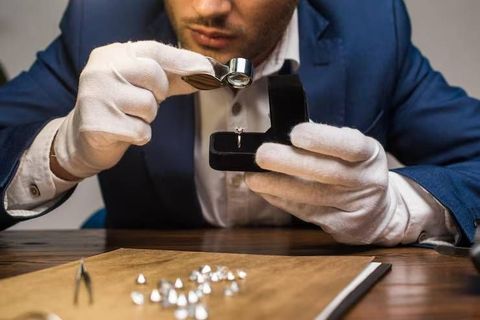
Several tools can help people understand and organize gemological information. Professional gemologists may use precision scales, microscopes, refractometers, spectroscopes, polariscopes, ultraviolet equipment, diamond testers, and other analytical instruments.
Useful Resources for Jewelry Documentation
Common resources include:
- Diamond grading reports
- Gemstone identification reports
- Jewelry appraisal templates
- Digital jewelry inventories
- High-resolution item photographs
- Precious-metal identification records
- Measurement and weight records
- Laboratory report verification databases
- Insurance documentation forms
A jewelry inventory can include photographs, dimensions, gemstone descriptions, metal markings, report numbers, purchase documentation where available, and previous appraisal records.
Understanding an Appraisal Report
Readers can usually review several important sections:
- Item identification describes the jewelry or gemstone being examined.
- Gemstone information explains type, measurements, weight, color, clarity, and relevant characteristics.
- Metal information identifies the stated or tested precious-metal content.
- Condition describes visible wear, damage, repairs, alterations, or other observations.
- Valuation basis explains why a particular monetary figure was assigned.
- Limitations identify assumptions, testing restrictions, or information that could not be independently verified.
A report should be read as a document prepared for a specific purpose rather than as a universal statement of what an item will be worth in every situation.
FAQs
What is a certified gemological appraisal?
A certified gemological appraisal is a documented examination of a gemstone or jewelry item prepared by a qualified professional under a stated valuation purpose. It can describe materials, characteristics, condition, and an applicable value.
How does diamond grading differ from a jewelry appraisal?
Diamond grading focuses primarily on the characteristics of an individual diamond, including color, clarity, cut-related factors, and carat weight. A jewelry appraisal can evaluate the complete piece, including gemstones, metal, design, condition, and the selected valuation basis.
Why are certified gemological appraisals important for jewelry?
They create a documented record of an item's physical characteristics and stated value. This information can be useful for insurance records, estate documentation, collection management, and future identification.
Can a gemological appraisal identify laboratory-grown diamonds?
Specialized gemological testing can distinguish laboratory-grown diamonds from natural diamonds. The exact examination method depends on the stone and the equipment available to the examiner or laboratory.
How often should a jewelry appraisal be reviewed?
The appropriate interval depends on the purpose of the appraisal, the type of jewelry, changes in market conditions, and changes to the item itself. A new appraisal may be appropriate when jewelry is substantially modified or when updated documentation is required.
Conclusion
Certified gemological appraisals provide structured documentation for diamonds, gemstones, precious metals, and complete jewelry pieces. Diamond grading reports primarily describe the characteristics of individual diamonds, while jewelry appraisals address broader descriptions and a defined valuation purpose. Recent developments involving laboratory-grown diamonds, digital records, and advanced testing have increased the importance of clear identification and disclosure. Understanding the purpose, methodology, terminology, and limitations of an appraisal helps readers interpret gemological documentation accurately.