Explore Diamond Jewelry With Popular Styles, Settings, and Quality Insights
Diamond jewelry combines naturally occurring or laboratory-grown diamonds with precious metals and decorative designs. It includes rings, necklaces, earrings, bracelets, and pendants created for personal expression, celebrations, formal occasions, and everyday wear.
Understanding diamond jewelry involves more than examining its appearance; the stone's characteristics, mounting design, metal type, craftsmanship, and documentation all influence its overall quality.
Diamonds are valued for their hardness, brilliance, and ability to reflect and disperse light. Natural diamonds form through geological processes deep within the Earth, while laboratory-grown diamonds are produced using controlled technological processes. Both consist primarily of crystalline carbon, although their origins and certain growth characteristics differ.
The diamond jewelry market includes traditional designs, contemporary collections, minimalist pieces, and elaborate decorative styles. Understanding these categories helps people compare jewelry based on appearance, durability, personal preferences, and long-term maintenance requirements.
Popular Diamond Jewelry Styles
Diamond jewelry styles vary according to the shape of the stone, the number of diamonds used, and the overall arrangement.
Solitaire jewelry features one central diamond, creating a simple and recognizable design.
Halo jewelry surrounds a central stone with smaller diamonds to create a broader visual appearance.
Three-stone jewelry combines a central diamond with two accompanying stones.
Pavé jewelry uses closely arranged small diamonds along a metal surface.
Cluster jewelry groups several diamonds into a decorative pattern.
Minimalist jewelry emphasizes clean lines, smaller stones, and uncomplicated settings.
Each style creates a different visual effect. The appropriate design depends on the intended use, comfort, personal taste, and how much maintenance the setting requires.
Understanding Diamond Shapes
Diamond shape refers to the stone's outline, while cut describes how its facets interact with light.
Round brilliant diamonds are widely recognized for their symmetrical appearance and light performance. Other shapes include oval, princess, emerald, pear, cushion, marquise, and radiant cuts. Each shape has distinctive proportions and visual characteristics, and some shapes may make inclusions or color differences more noticeable than others.
Importance
Why Diamond Quality Matters
Diamond quality influences appearance, durability, and how a stone compares with similar diamonds. Two stones of the same carat weight may look different because their proportions, clarity, color, and cutting quality vary.
The four Cs provide a widely used framework for evaluating diamonds:
Carat refers to the diamond's weight, not its physical dimensions alone.
Cut describes the proportions, symmetry, and finish that influence light performance.
Color grades indicate the degree of color in diamonds within grading systems designed for that purpose.
Clarity describes internal inclusions and external blemishes assessed under specified examination conditions.
These characteristics should be considered together. A larger diamond is not automatically more visually appealing, and a higher clarity grade may not produce an obvious difference to the unaided eye in every comparison.
Choosing Settings for Everyday Wear
A diamond setting holds the stone in place and contributes to the jewelry's appearance and practical characteristics. The setting should suit the stone's shape, the wearer's routine, and the level of protection required.
Common settings include:
Prong setting, which holds the stone using small metal supports and allows substantial light exposure.
Bezel setting, which surrounds the diamond's edge with a metal rim.
Pavé setting, which places numerous small diamonds close together.
Channel setting, which positions stones within a metal channel.
Tension-style setting, which uses a specially engineered structure to hold the stone.
Prong settings can expose more of a diamond, while bezel settings may provide greater edge protection. However, every setting requires suitable construction and periodic inspection to check for loose stones or worn components.
Comparing Jewelry Types
Jewelry type | Common characteristics | Practical consideration |
|---|---|---|
Diamond rings | Solitaire, halo, or multi-stone designs | Check fit and setting security |
Diamond earrings | Studs, hoops, and drop designs | Examine closures and matching |
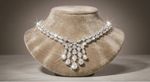
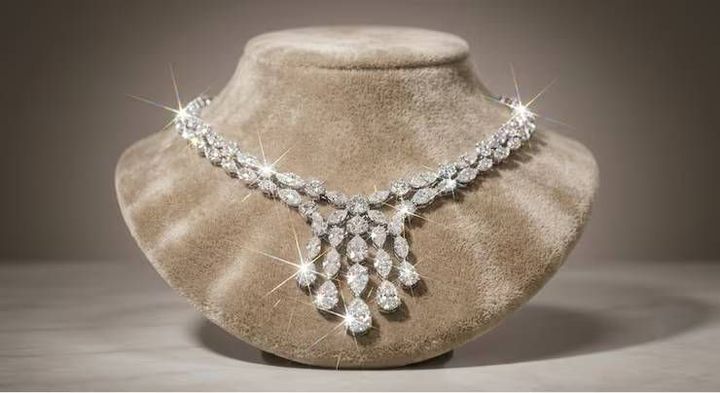
Diamond necklaces | Pendants and diamond-set chains | Check chain strength and clasp |
Diamond bracelets | Tennis and decorative link styles | Inspect links and fastening |
Diamond pendants | Single stones or grouped designs | Consider pendant weight and chain compatibility |
The table provides general comparisons. Individual pieces can differ considerably in construction, stone quality, and maintenance requirements.
Recent Updates
Natural and Laboratory-Grown Diamonds
From 2024 through 2026, natural and laboratory-grown diamonds remained important categories in jewelry discussions. Greater consumer awareness of laboratory-grown stones has increased attention to origin disclosure, grading documentation, and differences between the two categories.
Laboratory-grown diamonds can have physical and optical properties closely resembling those of natural diamonds. Specialized gemological testing may be needed to distinguish their origins reliably, making accurate identification and documentation important when comparing jewelry.
Neither origin alone determines every aspect of quality. Cut, color, clarity, carat weight, craftsmanship, and the accuracy of product descriptions remain relevant to evaluating an individual piece.
Digital Diamond Grading and Identification
Digital product records, grading reports, magnified imagery, and electronic inventory systems are increasingly used in jewelry retail and manufacturing. These tools can help document stone characteristics and make information easier to review before a purchase.
A digital description should not be treated as a substitute for reliable grading documentation when the characteristics of an individual diamond are important. Buyers should check that the report corresponds to the actual stone and understand which characteristics have been independently assessed.
Greater Attention to Origin and Traceability
Diamond origin, supply-chain documentation, and responsible sourcing continue to receive attention across the jewelry industry. Traceability programs may provide information about a stone's movement through parts of the supply chain, although the level of detail differs among programs.
Origin claims should be evaluated according to the documentation available. A general statement about responsible sourcing does not necessarily establish the complete history of an individual diamond.
Laws or Policies
Diamond Disclosure and Consumer Protection
Rules governing jewelry descriptions, advertising, product labeling, and consumer protection vary across jurisdictions. Sellers and manufacturers may be required to describe diamond origin, material composition, and product characteristics accurately under applicable laws.
Descriptions should distinguish natural diamonds from laboratory-grown diamonds. Terms relating to simulated diamonds, such as cubic zirconia, should also be used accurately because simulated stones do not have the same material composition as diamonds.
Consumers should examine written product specifications and retain relevant invoices, grading reports, warranties, and other documentation. These records can help clarify the characteristics represented at the time of purchase.
Grading Reports and Certification
Diamond grading reports document characteristics assessed under a particular laboratory's methods and standards. They may include measurements, carat weight, color grade, clarity grade, cut information, and identifying features.
A grading report is not necessarily a guarantee of market value, resale proceeds, or future price performance. Reports from different laboratories may vary in scope and grading approach, so the issuing organization and the exact contents of the document matter.
Metal Purity and Jewelry Markings
Jewelry may include markings that indicate the precious metal used, such as gold purity or platinum content. Marking and hallmarking requirements differ by jurisdiction, and a stamp should be interpreted according to the applicable system.
The setting's metal also affects appearance, maintenance, and durability. White gold, yellow gold, rose gold, and platinum have different visual properties and may require different care practices.
Tools and Resources
Diamond Quality Comparison Tools
Diamond comparison tools help organize information about multiple stones. A useful comparison should include carat weight, measurements, cut information where applicable, color, clarity, origin, grading laboratory, and the details of the mounting.
A structured comparison table can prevent attention from focusing on a single characteristic. For example, two diamonds with the same carat weight may have different face-up dimensions or light performance because of their proportions and cutting quality.
Jewelry Inspection and Care
Routine inspection can help identify loose settings, damaged clasps, and worn components before a stone becomes detached. A jeweler can assess mounting security and determine whether professional cleaning or repair is appropriate.
General care practices include:
Store individual pieces separately to reduce scratching.
Remove jewelry before activities that may expose it to impacts or harsh chemicals.
Clean according to the metal and stone manufacturer's guidance.
Inspect prongs, clasps, and links periodically.
Avoid harsh cleaning methods when the setting or gemstone treatment is unknown.
Ultrasonic cleaners are not appropriate for every diamond jewelry piece, particularly when stones have certain treatments, fractures, or delicate mountings. Cleaning methods should account for the entire piece rather than the diamond alone.
Understanding Jewelry Documentation
Useful records include a diamond grading report, purchase invoice, metal specifications, warranty terms, and any available origin documentation. These records can help establish what was represented about the jewelry and support later insurance or maintenance assessments where relevant.
Photographs and identifying numbers can also assist with recordkeeping. Documentation should be stored securely, particularly when it contains personal information or details about valuable possessions.
FAQs
What are the main types of diamond jewelry?
Common types include diamond rings, earrings, necklaces, bracelets, and pendants. Designs range from solitaire and halo settings to pavé, cluster, and multi-stone arrangements.
How can diamond jewelry quality be evaluated?
Diamond quality is commonly assessed through carat, cut, color, and clarity. The setting, metal quality, craftsmanship, grading documentation, and stone origin should also be considered.
What is the difference between natural and laboratory-grown diamonds?
Natural diamonds form through geological processes, while laboratory-grown diamonds are produced using technological processes. Both consist primarily of crystalline carbon, but their origins differ and may be identified through specialized gemological testing.
Which diamond setting is suitable for everyday jewelry?
Prong, bezel, channel, and other settings can be suitable when correctly designed for the stone and intended use. The choice depends on protection, appearance, comfort, and maintenance requirements.
Why is a diamond grading report important?
A grading report records specified characteristics of an individual diamond and helps with comparisons. Its value depends on the issuing laboratory, the scope of assessment, and whether the report matches the actual stone.
Conclusion
Diamond jewelry combines gemstone characteristics, setting design, metal composition, and craftsmanship to create a wide range of styles. Understanding the four Cs and comparing different settings helps explain why diamonds with similar weights may differ in appearance and documented quality. Accurate origin disclosure, reliable grading reports, and appropriate care are important considerations when evaluating jewelry. Natural and laboratory-grown diamonds have different origins, making clear identification and documentation relevant to informed comparisons.