Explore Sound Therapy With Singing Bowls, Sound Baths, and Mindfulness Techniques
Sound therapy is a wellness practice that uses tones, rhythms, vibrations, music, or other forms of structured sound as part of relaxation and mindfulness activities. Singing bowls, sound baths, tuning instruments, gentle percussion, guided listening, and breathing exercises are commonly associated with modern sound therapy practices.
The approach is generally centered on creating a calm environment where people can focus attention on sound and become more aware of their breathing and surroundings.
The use of sound for relaxation has historical connections with meditation, chanting, music traditions, and ceremonial practices across different cultures. Singing bowls are particularly associated with Himalayan and Buddhist traditions, although the modern wellness use of bowls has developed into a broader practice that is not limited to one cultural setting.
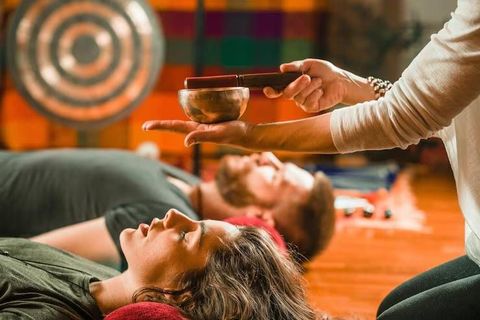
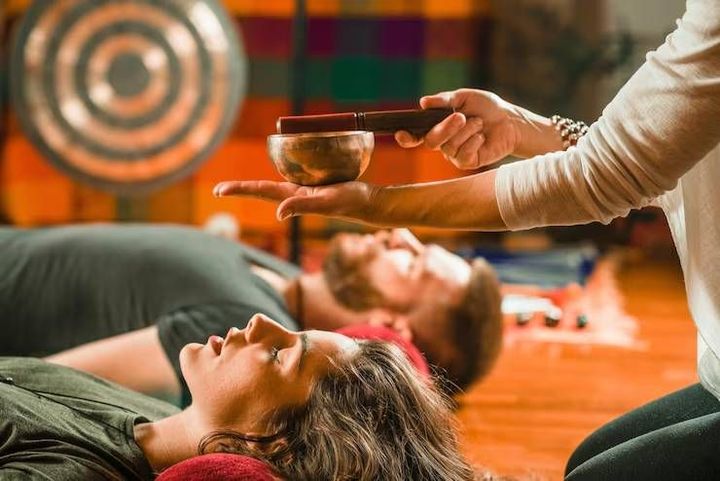
A sound bath is another common format. During a sound bath, participants usually remain seated or lying comfortably while different instruments produce sustained tones and rhythms. The term describes the experience of being surrounded by sound rather than being immersed in physical water.
Modern sound therapy may combine these practices with mindfulness techniques. Mindfulness involves paying attention to present experiences without becoming overly focused on judgment or distraction. In a sound-based session, attention may be directed toward the tone of a singing bowl, the rhythm of breathing, or the changing qualities of different sounds.
Importance
Sound therapy has become part of a wider interest in relaxation, mindfulness, meditation, and stress-management practices. Many people experience busy schedules, prolonged screen exposure, background noise, and difficulty creating quiet periods during everyday routines. Structured listening can provide a specific period for slowing down and focusing attention.
The practice can also be adapted for different preferences. Some people may prefer singing bowls, while others may respond more comfortably to gentle music, nature sounds, guided meditation, or rhythmic instruments. A sound bath can be conducted in a group environment, while sound-based mindfulness exercises can also be practiced individually.
Sound therapy should be understood as a complementary wellness activity rather than a replacement for medical assessment or treatment. Individual experiences can vary considerably, and research into specific sound therapy techniques continues to develop.
Common Areas of Use
Sound-based relaxation practices are commonly associated with:
- Relaxation and quiet periods
- Mindfulness and meditation sessions
- Breathing exercises
- Personal reflection
- Group wellness activities
- Sleep preparation routines
- Yoga and movement practices
- Stress-management routines
These activities generally focus on attention, relaxation, and awareness rather than diagnosing or treating a particular medical condition.
Singing Bowls and Sound Baths
Singing bowls produce tones when struck or played around their rim. Their sound can vary according to the bowl's size, shape, material, and playing technique. Practitioners may use one bowl or several bowls to create different tones during a session.
A sound bath may include singing bowls along with gongs, chimes, drums, bells, or other acoustic instruments. The arrangement can influence the overall sound environment, but there is no single standardized format for a sound bath.
Mindfulness Techniques
Mindfulness can make sound therapy more structured. Instead of simply listening to background sounds, a person can intentionally observe how a sound begins, changes, becomes quieter, and eventually disappears.
A simple exercise may involve sitting comfortably, taking natural breaths, and focusing attention on a single sound. When unrelated thoughts arise, attention can gradually return to the sound without treating the distraction as a failure.
Recent Updates
Recent developments in sound therapy have largely focused on accessibility, digital technology, research, and integration with established mindfulness practices. Sound-based wellness activities are increasingly presented through meditation applications, recorded sessions, online classes, and digital audio platforms.
Digital Sound Experiences
Digital platforms allow people to listen to singing bowl recordings, ambient soundscapes, guided mindfulness sessions, and meditation audio without attending a physical session. Headphones, speakers, and mobile devices can make these practices easier to incorporate into personal routines.
Digital audio also provides greater control over volume, duration, and listening environment. However, recorded sound is different from experiencing acoustic instruments in a physical room, where natural resonance and environmental acoustics influence the experience.
Greater Interest in Mindfulness
Sound baths are increasingly combined with breathing exercises, meditation, yoga, and other mindfulness approaches. This reflects a broader movement toward practices that emphasize attention, relaxation, and awareness rather than a single technique.
Some contemporary sessions also use structured sequences, beginning with breathing or quiet observation before introducing instruments. The session may gradually return to silence at the end.
Growing Attention to Evidence
Research into music, auditory stimulation, relaxation, and related wellness practices continues to develop. Different techniques are studied separately, so findings related to music or meditation should not automatically be interpreted as evidence for every form of sound therapy.
This distinction is important because claims about sound frequencies or vibrations sometimes go beyond what available evidence can establish. A neutral approach recognizes the potential relaxation value of the experience while avoiding unsupported medical claims.
Laws or Policies
Sound therapy is generally situated within broader rules governing wellness activities, professional practice, advertising, consumer protection, public venues, and health-related claims. Exact requirements vary by country, state, province, or municipality.
Wellness and Health Claims
Where sound therapy is presented as a wellness activity, advertising language generally needs to avoid misleading medical claims. Statements suggesting that a particular sound can diagnose, prevent, or cure a medical condition may fall under stricter health-related advertising requirements.
Clear wording is important when describing singing bowls, sound baths, or mindfulness techniques. Describing an activity as a relaxation or meditation practice is different from presenting it as a medical treatment.
Venue and Safety Considerations
Physical sound therapy sessions may also be affected by ordinary venue rules concerning occupancy, noise levels, accessibility, emergency procedures, and public safety. Practitioners using amplified instruments need to consider volume and the surrounding environment.
People who are sensitive to loud or sudden sounds may need quieter settings. Strong percussion, gongs, or amplified audio can be uncomfortable for some participants, so session design should take individual tolerance into account.
| Sound Therapy Element | Typical Purpose | Common Setting |
|---|---|---|
| Singing bowls | Focused listening and relaxation | Meditation rooms, studios |
| Sound baths | Immersive listening experience | Group wellness spaces |
| Chimes | Gentle tonal stimulation | Meditation and relaxation |
| Gongs | Sustained and changing tones | Group sound sessions |
| Guided breathing | Attention and relaxation | Individual or group practice |
| Mindfulness listening | Present-moment awareness | Personal practice |
Tools and Resources
A range of tools can support sound therapy and mindfulness routines. Traditional singing bowls remain widely used, while digital tools provide additional ways to create structured listening environments.
Audio and Digital Platforms
Meditation applications, audio libraries, streaming platforms, and digital recording tools can provide access to guided mindfulness sessions and sound-based recordings. Timer applications can also help structure sessions around specific periods of listening and silence.
Audio editing software may be useful for people creating personal soundscapes. Basic recording equipment can capture singing bowls, chimes, or environmental sounds for later listening.
Physical Instruments
Common instruments used in sound therapy environments include:
- Singing bowls
- Gongs
- Chimes
- Bells
- Tuning instruments
- Frame drums
- Hand percussion
- Acoustic sound makers
The sound produced by each instrument depends on its construction, playing method, surrounding room, and recording equipment.
Mindfulness Resources
Mindfulness workbooks, guided meditation programs, breathing timers, journals, and structured meditation courses can complement sound-based practices. These resources can help people distinguish between passive listening and intentional attention.
A simple journal can also record the duration of a session, the type of sound used, and general observations afterward. Such notes describe personal experiences rather than establishing medical effects.
FAQs
What is sound therapy with singing bowls?
Sound therapy with singing bowls is a wellness practice that uses the tones and resonance produced by bowls during relaxation or mindfulness activities. Sessions may involve focused listening, breathing, meditation, or periods of quiet observation.
What happens during a sound bath?
During a sound bath, participants generally sit or lie comfortably while instruments such as singing bowls, gongs, chimes, and percussion create a changing sound environment. The session may include periods of silence, breathing, or guided mindfulness.
Can sound baths be combined with mindfulness techniques?
Yes. A sound bath can include mindfulness techniques such as focused listening, breathing awareness, body awareness, and observation of thoughts. The combination can create a structured period for present-moment attention.
Are singing bowls a form of medical treatment?
Singing bowls are commonly used as part of relaxation and wellness activities. They should not automatically be considered a medical treatment, and claims about treating health conditions require appropriate evidence and professional context.
Is sound therapy suitable for everyone?
Individual responses to sound vary. Some people may find certain tones relaxing, while others may find loud, sudden, or continuous sounds uncomfortable. Volume, environment, session length, and personal preferences can influence the experience.
Conclusion
Sound therapy combines structured listening with practices such as singing bowls, sound baths, breathing exercises, and mindfulness. Its modern use draws from traditional sound practices while incorporating contemporary wellness and digital audio formats. Research continues to examine how sound, music, relaxation, and mindfulness relate to human wellbeing, while evidence differs across techniques. Clear distinctions between relaxation practices and medical treatment are important when discussing the role of sound therapy.