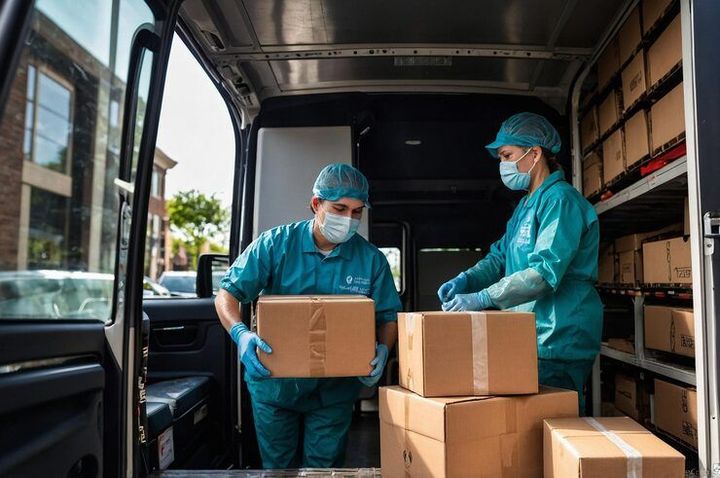
Pharmaceutical Transportation Information With Cold Chain Management and Compliance Insights
Pharmaceutical transportation is the process of moving medicines, vaccines, biological materials, and other healthcare products from manufacturing facilities to distribution centers, hospitals, pharmacies, laboratories, and other authorized destinations.
It involves specialized packaging, temperature monitoring, shipment planning, inventory management, and documentation to maintain product quality throughout the journey.
The need for pharmaceutical transportation developed as healthcare supply chains expanded across regions and countries. Many medical products require carefully controlled environmental conditions during storage and transportation. Exposure to excessive heat, freezing temperatures, moisture, or light may affect product stability and reduce its intended effectiveness.
Cold chain management is an important part of pharmaceutical logistics. It refers to the coordinated handling of temperature-sensitive products under specified conditions from the point of origin to the final destination. Depending on the product, transportation may require refrigerated vehicles, insulated containers, temperature-controlled warehouses, or validated packaging systems.
Pharmaceutical transportation also involves regulatory compliance, qualified logistics partners, trained personnel, and accurate shipment records. These elements help organizations identify potential risks and maintain traceability across complex distribution networks.
Importance
Protecting Product Quality
Pharmaceutical products can respond differently to environmental changes. Some require refrigerated conditions, while others must remain frozen or within a controlled room-temperature range. The appropriate limits depend on the manufacturer's stability information and product-specific handling instructions.
A temperature excursion occurs when a shipment moves outside its permitted temperature range. Even a short excursion may require an assessment before the affected products can be released for distribution. Proper monitoring and documented procedures help organizations identify these events and determine the appropriate response.
Supporting Healthcare Supply Chains
Pharmaceutical transportation connects manufacturers with healthcare facilities and distribution networks. Delays, inadequate packaging, and incorrect handling can interrupt the movement of essential medical supplies.
Reliable transportation planning helps coordinate production schedules, warehouse inventory, delivery routes, and receiving arrangements. These processes are particularly important for temperature-sensitive products that cannot remain indefinitely in temporary storage.
Addressing Common Transportation Challenges
Several operational challenges affect pharmaceutical logistics:
Temperature fluctuations: Changes in weather, loading conditions, or equipment performance may affect product temperatures.
Transit delays: Traffic congestion, flight changes, border inspections, and documentation problems may extend shipment duration.
Packaging failures: Damaged insulation, insufficient refrigerant, or incorrect container preparation may compromise temperature control.
Limited visibility: Missing sensor readings or incomplete tracking records can make it difficult to identify where a problem occurred.
Handling errors: Incorrect loading, delayed refrigeration, and inadequate staff training may create avoidable risks.
Who Is Affected?
Pharmaceutical transportation affects manufacturers, wholesalers, healthcare providers, logistics companies, regulatory authorities, and patients. Each participant has responsibilities related to product integrity, documentation, security, and appropriate handling.
For patients, effective pharmaceutical logistics supports the availability and quality of healthcare products. For organizations, it helps maintain inventory control, identify shipment risks, and demonstrate compliance with applicable requirements.
Recent Updates
Digital Temperature Monitoring
Pharmaceutical logistics increasingly uses digital monitoring equipment to provide visibility into shipment conditions. Temperature data loggers record readings throughout transportation, while connected sensors may transmit information to monitoring platforms.
These systems can help identify temperature deviations before a shipment reaches its destination. Depending on the technology, users may receive alerts when readings exceed configured limits or when equipment performance changes.
Digital records also simplify the review of transportation conditions. However, organizations still need suitable calibration procedures, data protection controls, and documented responses to alerts.
Greater Use of Data-Driven Logistics
Route planning platforms increasingly combine shipment locations, estimated transit times, weather information, and handling requirements. These capabilities can support decisions about vehicle selection, transfer points, and contingency arrangements.
Artificial intelligence and predictive analytics may help identify routes or transportation conditions associated with greater disruption risk. Their effectiveness depends on the quality of available data, system validation, and appropriate human oversight.
Packaging and Sustainability Developments
Insulated shipping containers, phase-change materials, reusable temperature-controlled packaging, and improved refrigerants are receiving attention across pharmaceutical supply chains. Packaging designs aim to maintain required conditions throughout expected transit periods while accounting for external temperatures and handling events.
Reusable packaging requires cleaning, inspection, maintenance, and appropriate return logistics. Environmental considerations must also be balanced against product protection, packaging validation, and applicable transportation requirements.
Comparison of Pharmaceutical Transportation Methods
Transportation method | Common applications | Temperature management considerations |
|---|---|---|
Refrigerated road transport | Regional and domestic distribution | Continuous monitoring and vehicle refrigeration |
Air freight | Long-distance and time-sensitive shipments | Airport transfers, handling delays, and validated packaging |
Sea freight | Selected international pharmaceutical shipments | Longer transit periods and container temperature control |
Insulated parcel transport | Smaller temperature-sensitive shipments | Validated packaging duration and refrigerant preparation |
Frozen transport systems | Products requiring subzero conditions | Specialized containers, temperature monitoring, and handling procedures |
The appropriate method depends on product stability, shipment volume, destination, transit duration, infrastructure, and applicable regulations.
Laws or Policies
Good Distribution Practices
Good Distribution Practice (GDP) principles describe procedures for maintaining pharmaceutical quality during storage and distribution. Requirements vary by jurisdiction, but commonly address staff training, premises, transportation equipment, documentation, security, and handling of temperature-sensitive products.
Organizations may need to demonstrate that their transportation arrangements are appropriate for the products involved. This can include evaluating carriers, maintaining written procedures, investigating deviations, and retaining relevant records.
GDP compliance is not limited to refrigeration. Product identification, shipment traceability, prevention of contamination, and protection against unauthorized access are also important considerations.
Temperature Control and Documentation
Pharmaceutical transportation procedures should reflect the storage conditions specified for each product. Temperature ranges must not be assumed to be identical across all medicines or biological materials.
Common documentation includes:
Shipment identification and product handling instructions.
Packaging configuration and preparation records.
Temperature monitoring data and equipment calibration records.
Dispatch, transfer, and delivery timestamps.
Records of deviations, investigations, and corrective actions.
These documents help organizations assess whether transportation conditions remained suitable and establish an auditable history of shipment handling.
International and National Regulatory Frameworks
Different authorities oversee pharmaceutical distribution, depending on the destination and type of product. International guidance provides common principles, while national legislation determines the specific obligations that apply within each jurisdiction.
In India, pharmaceutical distribution and manufacturing activities are governed by applicable provisions of the Drugs and Cosmetics Act and associated rules. The Central Drugs Standard Control Organisation (CDSCO) performs important regulatory functions, alongside state licensing authorities.
For international shipments, organizations may also need to consider customs documentation, import and export controls, aviation requirements, and applicable dangerous-goods rules where relevant. Requirements depend on the product classification, transportation method, and countries involved.
Quality Risk Management
Quality risk management helps organizations identify potential failures and establish controls before shipments move. Risk assessments may consider transit duration, seasonal temperatures, transfer points, equipment reliability, and the consequences of a temperature excursion.
A documented response process should explain who reviews a deviation, how product stability information is assessed, and what evidence is required before a shipment is accepted or rejected. Products should not automatically be considered suitable for distribution merely because their external packaging appears undamaged.
Tools and Resources
Temperature Monitoring Equipment
Temperature data loggers and calibrated digital sensors are widely used to record environmental conditions during pharmaceutical transportation. Some devices store readings for later review, while connected systems provide remote visibility and alerts.
Equipment selection should account for the required temperature range, recording frequency, measurement accuracy, battery life, and expected shipment duration.
Shipment Tracking and Logistics Platforms
Transportation management systems help organizations coordinate carriers, routes, delivery schedules, shipment records, and inventory movements. Pharmaceutical-focused platforms may also integrate temperature data, deviation alerts, and electronic documentation.
When evaluating a platform, relevant considerations include data security, audit trails, system reliability, user permissions, and compatibility with existing warehouse or quality management systems.
Packaging Qualification and Validation
Packaging validation evaluates whether a packaging configuration can maintain the required environmental conditions under defined test conditions. Studies may examine expected transit duration, seasonal temperature profiles, refrigerant placement, container loading, and handling scenarios.
Organizations should distinguish between packaging qualification and the monitoring of an individual shipment. A qualified packaging design supports controlled operations, while shipment monitoring provides evidence about conditions experienced during a specific journey.
Useful Reference Resources
The following resources provide general information for pharmaceutical transportation planning and compliance:
Central Drugs Standard Control Organisation: Regulatory information relevant to pharmaceutical products in India.
World Health Organization: Technical guidance concerning vaccine management, temperature-sensitive health products, and distribution practices.
International Air Transport Association: Guidance on pharmaceutical air cargo handling and applicable air transportation requirements.
European Medicines Agency: Information concerning good distribution practices and pharmaceutical quality requirements within its regulatory scope.
Internal standard operating procedures: Organization-specific instructions for packaging, monitoring, incident reporting, and shipment acceptance.
These resources serve different purposes and may not apply equally to every shipment. Organizations must identify the requirements relevant to their product, route, and regulatory jurisdiction.
FAQs
What Is Pharmaceutical Transportation?
Pharmaceutical transportation involves moving medicines and healthcare products between manufacturers, warehouses, distributors, and healthcare facilities while maintaining suitable handling, security, and environmental conditions.
What Is Cold Chain Management in Pharmaceutical Logistics?
Cold chain management is the coordinated control of temperature-sensitive products during storage, transportation, and delivery. It uses appropriate packaging, monitoring equipment, handling procedures, and documentation to maintain specified temperature conditions.
Which Temperature Is Required for Pharmaceutical Transportation?
There is no single temperature range for all pharmaceutical products. Requirements depend on product-specific stability information and manufacturer instructions, which may specify controlled room temperature, refrigeration, freezing, or other conditions.
What Happens When a Pharmaceutical Shipment Experiences a Temperature Excursion?
The shipment should be assessed according to documented quality procedures. Relevant temperature records, excursion duration, product stability information, and other circumstances help determine whether the product remains suitable for distribution.
Which Regulations Apply to Pharmaceutical Transportation?
Applicable requirements depend on the country, product category, and transportation method. Good Distribution Practice principles, national pharmaceutical legislation, customs rules, and relevant aviation or dangerous-goods requirements may apply.
Conclusion
Pharmaceutical transportation combines logistics planning, cold chain management, product protection, and regulatory compliance to maintain appropriate conditions throughout distribution. Temperature monitoring, qualified packaging, trained personnel, and accurate documentation help organizations identify and manage transportation risks. Digital tracking and improved packaging technologies are expanding shipment visibility, while regulatory responsibilities continue to depend on the product and jurisdiction. Effective pharmaceutical logistics therefore requires coordinated quality controls across every stage of the supply chain.