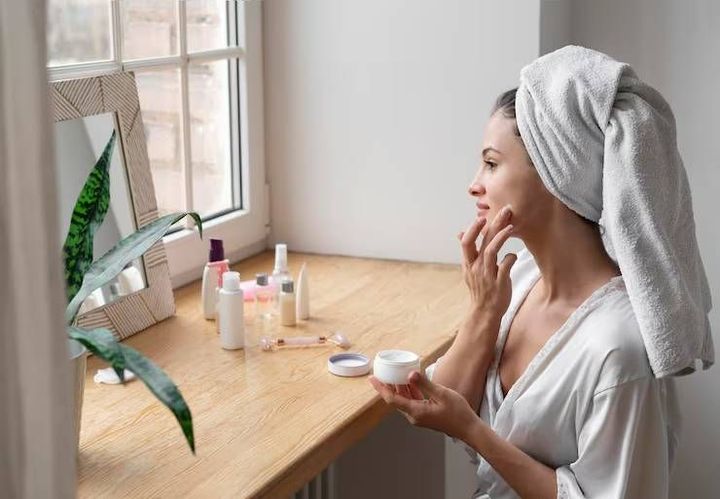
Skin Moisturization Methods Guide With Modern Skincare Techniques and Hydration Resources
Skin moisturization is an essential part of everyday skincare that helps maintain the skin's water balance, softness, and protective function. It involves using creams, lotions, gels, ointments, and other formulations designed to reduce moisture loss and support the skin barrier.
Skin hydration refers to the water present within the skin, while moisturization generally describes methods used to maintain that hydration and improve the skin's surface condition.
The practice of moisturizing has developed alongside advances in cosmetic science and dermatology. Traditional skincare routines used oils, plant-derived ingredients, and natural fats to soften the skin. Modern formulations combine different ingredients to attract water, improve skin smoothness, and reduce evaporation from the skin's surface.
Today, skin moisturization methods include daily cleansing routines, appropriate product selection, environmental adjustments, and consistent skincare habits. These methods can be adapted to different skin types, climates, ages, and personal preferences. Understanding how moisturizers work helps people develop practical routines without relying on complicated product combinations.
How Skin Moisturization Works
The outermost layer of the skin, known as the stratum corneum, helps limit water loss and protects the body from external irritants. It contains skin cells surrounded by lipids, which function somewhat like a protective barrier. When this barrier becomes disrupted, the skin may feel rough, tight, flaky, or uncomfortable.
Moisturizers generally support the skin through three ingredient groups.
Humectants attract and hold water. Common examples include glycerin, hyaluronic acid, and urea.
Emollients help smooth rough areas by filling spaces between surface skin cells. Examples include squalane and certain fatty alcohols.
Occlusives form a protective layer that slows water evaporation. Petrolatum, mineral oil, and some plant oils are examples.
Many moisturizers combine two or more of these ingredient types. Their performance depends on the formulation, the condition of the skin, and how the product is used.
Common Moisturizer Formats
Different formulations provide different textures and levels of surface protection. Lotions usually have a lighter consistency, creams contain a greater proportion of oil-based ingredients, and ointments generally create a more substantial protective layer.
Gel moisturizers often have a lightweight texture that may suit people who dislike heavier products. However, texture alone does not determine suitability, because the complete ingredient list and individual skin response also matter.
Importance
Skin moisturization matters because the skin barrier is continuously exposed to environmental conditions, cleansing products, friction, and changes in humidity. When the skin loses excessive moisture, dryness and irritation can become more noticeable. Regular moisturizing can help maintain skin comfort and support the barrier's normal function.
The topic affects people across age groups. Older adults may experience increased dryness as the skin changes with age, while children and people with naturally dry skin may require particular attention to their daily routines. People who frequently wash their hands or spend time in air-conditioned environments may also notice changes in skin moisture.
Factors That Influence Skin Hydration
Several everyday factors influence how much moisture the skin retains.
Climate: Cold air, low humidity, wind, and indoor heating can contribute to dryness.
Cleansing habits: Hot water and harsh cleansing products may remove some of the skin's protective lipids.
Age: Natural changes in the skin can affect its ability to retain moisture.
Skin type: Dry, oily, combination, and sensitive skin may respond differently to moisturizer textures.
Lifestyle: Frequent bathing, occupational handwashing, and exposure to irritating substances can affect the skin barrier.
Selecting a Moisturizer for Different Skin Types
Product selection is easier when based on skin condition rather than marketing descriptions. Dry skin may benefit from richer creams, while oily skin may feel more comfortable with lighter lotions or gels. Combination skin may require different textures on different areas of the face.
Skin type or condition | Common formulation choice | Main consideration |
|---|---|---|
Dry skin | Creams or ointments | Support moisture retention |
Oily skin | Lightweight lotions or gels | Consider texture and pore-related concerns |
Combination skin | Lotion or cream, depending on area | Adjust to regional skin needs |
Sensitive skin | Fragrance-free formulations | Review ingredients and irritation history |
Mature skin | Creams with humectants and emollients | Address dryness and changing skin texture |
Hands exposed to frequent washing | Creams with occlusive ingredients | Reduce moisture loss after washing |
These categories are general starting points rather than strict rules. A product that feels comfortable on one person may cause irritation or feel unsuitable for another.
Recent Updates
Modern skincare has increasingly emphasized skin barrier maintenance, ingredient transparency, and routines tailored to individual needs. Rather than focusing exclusively on surface softness, contemporary formulations often combine hydration with ingredients intended to support the skin's natural protective layer. Consumer interest has also expanded toward simpler routines that reduce unnecessary product layering.
Developments in Moisturizing Ingredients
Humectants such as glycerin and hyaluronic acid remain common in hydration-focused skincare. Ceramides, which are lipids naturally present in the skin barrier, are also widely used in moisturizers designed for dry or barrier-impaired skin. Formulations may combine these ingredients with emollients and occlusives to address several aspects of moisture retention.
Another development is the growing attention given to product texture and formulation design. Lightweight emulsions, water-based gels, and richer barrier creams allow people to select products that suit their preferred routines and environmental conditions. However, a product's effectiveness cannot be determined by a single ingredient name alone.
Personalized and Simplified Skincare
Personalized skincare increasingly considers skin type, sensitivity, climate, and existing routines. Digital questionnaires and ingredient databases can help users understand product labels, although they cannot reliably diagnose every skin condition.
Simplified routines have also gained attention. Using a gentle cleanser, an appropriate moisturizer, and sun protection during daytime exposure can reduce unnecessary complexity. Introducing products gradually makes it easier to identify potential irritation and understand how the skin responds.
Moisturization in Changing Environments
Indoor heating, air conditioning, low humidity, and frequent travel can affect skin comfort. Some people adjust moisturizer texture according to seasonal changes, using lighter formulations in humid conditions and richer creams when the environment becomes dry.
Hydration-focused skincare does not replace adequate sun protection or appropriate medical care. Persistent redness, cracking, severe itching, or recurring irritation may require assessment by a qualified healthcare professional.
Laws or Policies
Skin moisturizers are generally regulated as cosmetic products in many jurisdictions, although classification depends on the product's ingredients, intended use, and claims. Rules may address product safety, ingredient restrictions, labeling, manufacturing practices, and misleading advertising. Requirements differ between countries, so manufacturers and consumers should consider the applicable local framework.
Cosmetic Product Rules in India
In India, cosmetics are regulated under the Drugs and Cosmetics Act, 1940, and the Cosmetics Rules, 2020, along with applicable amendments and related requirements. These frameworks address matters such as cosmetic manufacturing, importation, labeling, and regulatory compliance.
The Central Drugs Standard Control Organisation and other relevant authorities have roles in administering the applicable regulatory framework. Requirements depend on the product category and the specific activity involved.
Advertising and Product Claims
Skincare advertising should present product characteristics accurately and avoid misleading claims. Statements suggesting that a moisturizer treats a medical condition, permanently changes skin structure, or produces guaranteed results may raise regulatory concerns depending on their wording and context.
Important considerations include:
Ingredient lists should be reviewed according to the applicable labeling rules.
Claims about hydration, sensitive skin, or dermatological testing should have appropriate support.
Cosmetic descriptions should not misrepresent a product's intended purpose.
Products marketed for medical treatment may be subject to requirements different from those for ordinary cosmetics.
Regulatory frameworks can change, and specific obligations depend on the product and market. General skincare information should not be treated as a substitute for professional medical or regulatory guidance.
Tools and Resources
Several practical resources can help people understand skin moisturization methods, compare ingredients, and maintain consistent routines. The most useful tools explain product characteristics clearly without replacing individual assessment of skin concerns.
Ingredient Checkers and Product Labels
Ingredient databases can help explain the roles of humectants, emollients, occlusives, fragrances, and preservatives. Product packaging also provides important information about intended use, directions, warnings, and storage.
When comparing moisturizers, useful details include:
The presence of ingredients associated with moisture retention.
Fragrance and other ingredients that may cause individual sensitivity.
Texture and suitability for the intended body area.
Directions for application and any stated precautions.
Packaging that protects the formulation from contamination or deterioration.
Ingredient databases may differ in accuracy and completeness. The full formulation and individual tolerance remain important.
Skincare Routine Trackers
A simple skincare diary can record the products used, application frequency, environmental conditions, and changes in skin comfort. This information may help identify patterns when dryness or irritation appears.
Tool or resource | Primary purpose | Practical use |
|---|---|---|
Ingredient glossary | Explain skincare ingredients | Understand product labels |
Routine tracker | Record daily skincare habits | Identify changes in skin comfort |
Humidity monitor | Measure indoor relative humidity | Understand environmental dryness |
Product comparison table | Organize formulation details | Compare textures and ingredients |
Healthcare consultation | Assess persistent skin concerns | Obtain individualized guidance |
Humidity and Daily Application Habits
A household humidity monitor can help identify particularly dry indoor conditions. Environmental readings should be interpreted alongside comfort and building conditions rather than used as a diagnosis of skin dryness.
Applying moisturizer after bathing, when the skin has been gently patted dry and remains slightly damp, can help reduce moisture loss. Using lukewarm water and avoiding excessive cleansing may also support skin comfort. Consistency is generally more useful than repeatedly changing products without a clear reason.
FAQs
What Are the Main Skin Moisturization Methods?
Common methods include applying creams, lotions, gels, or ointments; using gentle cleansers; and moisturizing after bathing. Product selection depends on skin type, environmental conditions, and personal tolerance.
Which Moisturizer Ingredients Help Maintain Skin Hydration?
Glycerin and hyaluronic acid are humectants that attract water. Ceramides and emollients support skin softness, while occlusive ingredients such as petrolatum help reduce water evaporation.
How Often Should Moisturizer Be Applied?
Application frequency depends on skin condition, product instructions, and environmental exposure. Many people moisturize after bathing and whenever their skin feels dry, while individuals with persistent skin problems may need tailored guidance.
Are Lightweight Moisturizers Suitable for Oily Skin?
Lightweight lotions and gels may feel more comfortable on oily skin. However, suitability depends on the full formulation and individual response, not simply whether a product is labeled lightweight or oil-free.
How Can Dry Skin Be Managed During Cold Weather?
Gentle cleansing, lukewarm bathing, regular moisturizer application, and limiting exposure to irritating conditions may help maintain skin comfort. Persistent cracking, inflammation, or itching should be evaluated by a qualified healthcare professional.
Conclusion
Skin moisturization helps maintain the skin barrier, reduce moisture loss, and improve everyday comfort. Understanding humectants, emollients, and occlusives makes it easier to compare formulations and select products appropriate for different skin types. Environmental conditions, cleansing habits, and consistent application also influence hydration. Regulatory requirements and accurate product information provide additional context for understanding modern skincare products.