Dental Care Basics With Oral Hygiene Habits, Dental Exams, and Health Tips
Dental care basics include the daily habits, professional examinations, and preventive measures that help maintain healthy teeth, gums, and the mouth.
Oral hygiene has been an important part of human health for centuries, with methods evolving from simple cleaning practices to modern dentistry, which uses scientific knowledge to identify and manage oral health problems. Today, dental care combines personal hygiene, regular dental examinations, appropriate nutrition, and professional guidance.
Oral health involves more than keeping teeth clean. The mouth supports eating, speaking, and many everyday activities. Healthy gums and teeth also contribute to comfort and overall well-being. Poor oral hygiene can allow plaque, a sticky layer of bacteria, to accumulate on teeth and contribute to tooth decay, gum inflammation, and persistent bad breath.
Understanding dental care basics helps people recognize the connection between everyday habits and oral health. Children, adults, and older people may have different dental needs, but consistent cleaning, appropriate preventive care, and awareness of changes in the mouth remain important throughout life.
Understanding Oral Hygiene
Oral hygiene refers to the routine practices used to remove food particles and plaque from teeth, gums, and other areas of the mouth. Brushing with fluoride toothpaste, cleaning between teeth, and maintaining appropriate dietary habits are common parts of a daily routine.
Plaque can accumulate around the gumline and between teeth, where a toothbrush may not reach effectively. If it remains on the teeth, it can harden into tartar, which generally requires professional removal. Regular cleaning helps limit plaque accumulation and supports gum health.
Main Components of Dental Care
Dental care includes several interconnected activities:
Daily cleaning through toothbrushing and cleaning between teeth.
Preventive examinations to identify early signs of oral health problems.
Dietary awareness to reduce frequent exposure to sugars.
Professional assessment of teeth, gums, and existing dental restorations.
Recognition of symptoms such as bleeding gums, tooth sensitivity, swelling, or persistent discomfort.
These practices support the maintenance of oral health and help people understand when professional assessment may be necessary.
Importance
Dental care matters because oral health problems can develop gradually without causing noticeable discomfort during their early stages. Tooth decay may initially affect the outer tooth surface, while gum inflammation can begin with redness or bleeding. Without appropriate attention, some conditions may progress and affect chewing, speaking, sleep, and daily comfort.
Oral health needs also change throughout life. Children require attention to developing teeth and appropriate brushing techniques, while adults may need to manage gum health, dental restorations, and tooth wear. Older adults may experience dry mouth, gum recession, or difficulties cleaning their teeth because of changes in dexterity or general health.
Everyday Problems Addressed by Oral Hygiene
Consistent oral hygiene helps address several common concerns.
Tooth decay: Bacteria in dental plaque produce acids when they break down sugars, contributing to the loss of minerals from tooth enamel.
Gum inflammation: Plaque accumulating near the gumline can cause redness, swelling, and bleeding.
Persistent bad breath: Food debris, bacterial activity, dry mouth, and some oral conditions may contribute to unpleasant breath.
Tooth sensitivity: Exposed tooth roots, enamel wear, cavities, and other conditions can cause discomfort in response to temperature or certain foods.
Plaque and tartar accumulation: Daily cleaning helps control plaque, while hardened tartar may require professional removal.
Who Benefits From Preventive Dental Care?
Everyone can benefit from age-appropriate oral hygiene. Children need help developing consistent cleaning habits, and caregivers can support these routines until children have sufficient coordination to brush effectively.
Adults benefit from maintaining daily hygiene and attending dental examinations according to their individual needs. People with braces, dentures, gum problems, or conditions that affect saliva production may require additional attention. Older adults may also benefit from adapted toothbrush handles, suitable cleaning aids, and assistance when physical limitations make oral hygiene difficult.
Daily Dental Care Habits
A practical oral hygiene routine generally includes brushing twice daily with fluoride toothpaste, cleaning between teeth once a day, and replacing a toothbrush when its bristles become worn. Gentle brushing along the gumline helps clean tooth surfaces without unnecessary pressure.
Other useful habits include drinking water regularly, limiting frequent sugary snacks and drinks, and avoiding tobacco. These measures support oral health but do not replace examinations or treatment when a dental problem develops.
Recent Updates
Dental care continues to evolve through improvements in preventive dentistry, diagnostic technology, patient education, and the management of oral health across different age groups. Current approaches increasingly emphasize identifying potential problems early and adapting care to individual risk factors rather than relying on the same examination schedule for everyone.
Digital Dental Examinations
Digital imaging and electronic dental records are increasingly used in dental practices. Digital X-rays can help clinicians assess areas that are difficult to examine directly, including certain areas between teeth and structures beneath the gumline.
These technologies are used when clinically appropriate, rather than automatically during every visit. The type and frequency of imaging depend on factors such as symptoms, dental history, and individual risk.
Preventive and Personalized Oral Care
Preventive dentistry continues to emphasize plaque control, fluoride use, dietary awareness, and the assessment of gum health. Dental professionals may consider previous cavities, gum conditions, dry mouth, medications, and other relevant factors when determining an individual's preventive care needs.
Electric toothbrushes, interdental brushes, water flossers, and other cleaning aids are also widely used. Their suitability depends on a person's oral condition, dexterity, dental appliances, and ability to use the equipment correctly.
Teledentistry and Digital Education
Remote dental consultations and digital educational tools can help people discuss symptoms, receive general guidance, and determine whether an in-person examination may be needed. However, remote communication cannot replace every clinical examination, X-ray, or procedure.
Artificial intelligence is also being explored for tasks such as assisting with the analysis of dental images and organizing clinical information. These tools support professional assessment but do not independently establish every diagnosis.
Common Preventive Practices
Practice | Main purpose | Typical frequency |
|---|---|---|
Toothbrushing with fluoride toothpaste | Remove plaque and support enamel protection | Twice daily |
Cleaning between teeth | Remove debris and plaque between teeth | Once daily |
Dental examination | Assess teeth, gums, and oral tissues | Based on individual needs |
Professional cleaning | Remove hardened deposits when necessary | As advised by a dental professional |
Dental X-rays | Investigate selected conditions not fully visible during examination | When clinically indicated |
These are general guidelines. Individual requirements may differ depending on age, oral health, and professional assessment.
Laws or Policies
Dental care is influenced by professional licensing rules, healthcare regulations, public health programs, and patient safety standards. Requirements differ across countries, including how dental professionals are licensed, how clinical records are managed, and which preventive treatments are supported by public programs.
Dental Care Policies in India
In India, dental practice is governed by applicable professional and healthcare requirements, including the National Dental Commission framework and relevant rules governing dental practitioners and institutions. Professional registration, recognized qualifications, and applicable clinical standards help establish the framework within which dental care is provided.
Public health initiatives also address oral health education, preventive awareness, and access to dental assessment. The National Oral Health Programme is an example of a public health initiative intended to strengthen oral healthcare activities and awareness.
Patient Safety and Informed Decisions
Dental professionals are expected to follow applicable professional standards, explain relevant findings, and obtain appropriate consent for procedures. Clinical practices involving diagnostic imaging must also follow relevant radiation safety requirements.
Patients may ask about the purpose of an examination, the reasons for an X-ray, available treatment approaches, and the potential risks associated with a procedure. The exact rights, complaint mechanisms, and coverage arrangements depend on applicable local laws and healthcare systems.
Tools and Resources
Several everyday tools can help people maintain oral hygiene and understand common dental concerns. Their usefulness depends on selecting suitable products and using them according to instructions.
Oral Hygiene Tools
Soft-bristled toothbrush: Helps remove plaque from tooth surfaces and along the gumline.
Fluoride toothpaste: Supports enamel protection and helps prevent tooth decay when used appropriately.
Dental floss: Helps clean narrow spaces between teeth.
Interdental brushes: Can help clean larger spaces between teeth and around certain dental appliances.
Tongue cleaner: Helps remove material accumulating on the tongue that may contribute to bad breath.
Electric toothbrush: Provides powered brushing movements and may help some people maintain consistent cleaning.
People with braces, implants, bridges, or specific gum conditions may need different cleaning aids. A dental professional can explain suitable options and demonstrate appropriate techniques.
Educational and Assessment Resources
Reliable oral health information can be found through public health departments, recognized dental associations, dental school education materials, and established healthcare institutions. These resources commonly explain brushing techniques, childhood dental care, gum disease prevention, and preparation for dental examinations.
Digital appointment calendars and oral hygiene trackers can help people maintain consistent routines. Symptom notes may also help organize information about bleeding gums, tooth sensitivity, swelling, or changes in eating and sleeping before an appointment.
However, online symptom checkers cannot reliably confirm a dental diagnosis. Persistent pain, facial swelling, uncontrolled bleeding, or signs of infection require appropriate professional assessment. Significant facial swelling accompanied by difficulty breathing or swallowing requires emergency medical attention.
FAQs
How often should teeth be brushed for good oral hygiene?
Most people should brush their teeth twice daily using fluoride toothpaste. Brushing should be gentle and thorough, covering all tooth surfaces and the gumline. Cleaning between teeth once daily complements brushing.
How often are dental examinations necessary?
The appropriate interval depends on oral health, previous dental problems, and individual risk factors. Some people may need more frequent examinations, while others may require less frequent visits. A dental professional can determine a suitable schedule.
What are the early signs of gum disease?
Early signs may include red or swollen gums, bleeding during brushing, persistent bad breath, and gum tenderness. Gum disease can sometimes progress without obvious discomfort, so examination is important when symptoms appear.
Are electric toothbrushes more effective than manual toothbrushes?
Both can clean teeth effectively when used correctly. Electric toothbrushes may help some people improve brushing consistency, particularly those with limited dexterity. Technique, regular use, and appropriate brushing duration remain important.
What happens during a routine dental examination?
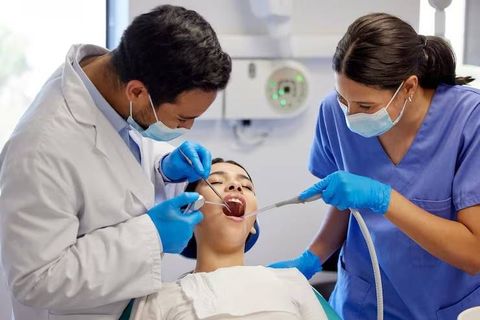
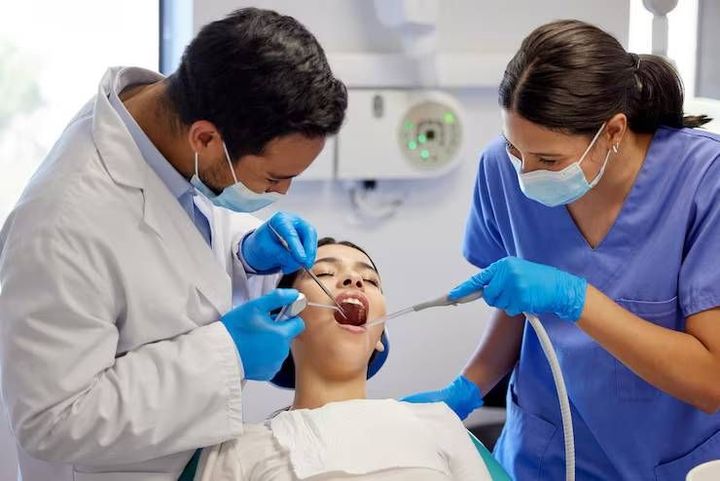
A routine examination may include checking the teeth for decay, assessing gum health, reviewing existing dental restorations, and examining the soft tissues of the mouth. X-rays or professional cleaning may be recommended when appropriate for the individual's needs.
Conclusion
Dental care basics include daily oral hygiene, preventive examinations, appropriate nutrition, and awareness of changes affecting the teeth and gums. Regular brushing with fluoride toothpaste and cleaning between teeth help control plaque and support oral health. Modern dental practices increasingly combine preventive care with digital tools and individualized assessments. Consistent hygiene and timely professional evaluation remain central elements of maintaining oral health throughout life.