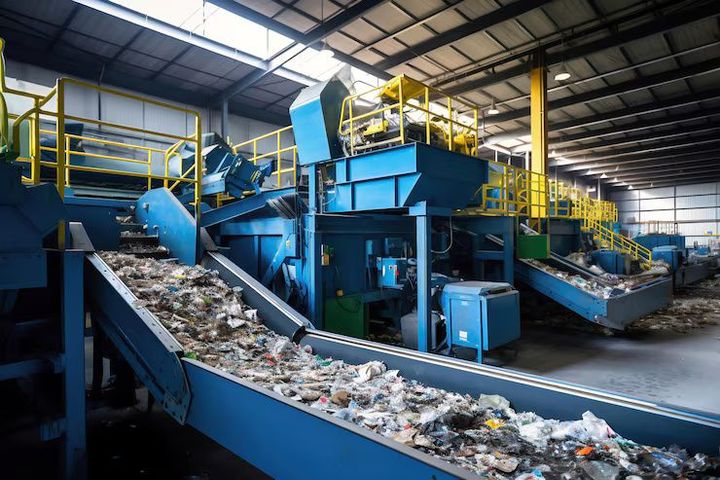
Explore Paper Recycling Machines With Pulping, Sorting, and Processing Technology
Paper recycling machines are industrial systems designed to recover usable fiber from discarded paper and convert it into processed pulp or recycled paper products. These systems combine several stages, including collection preparation, pulping, screening, sorting, cleaning, deinking where required, thickening, and pulp preparation.
Paper recycling has developed alongside the growth of paper manufacturing and the increasing amount of discarded paper generated by households, offices, packaging operations, printing activities, and industrial facilities. Instead of sending suitable paper materials directly to disposal facilities, recycling processes can recover a portion of their fiber content for another production cycle.
A paper recycling machine can contain several interconnected pieces of equipment rather than being a single machine. The exact arrangement depends on the type of paper being processed, the required pulp quality, contamination levels, and the characteristics of the final paper product.
How Paper Recycling Works
The process generally begins with the preparation of collected paper. Large unwanted materials are removed before the paper enters a pulping system. A hydrapulper or similar pulping machine mixes paper with water and mechanical energy to separate the paper structure into individual fibers.
After pulping, the material passes through screening and cleaning stages. Screens separate oversized particles, while cleaners can remove materials with different physical properties from the fiber suspension.
A simplified recycling sequence can include:
- Paper collection and preparation
- Bale opening and material separation
- Pulping with water
- Coarse and fine screening
- Removal of contaminants
- Fiber cleaning
- Deinking when required
- Thickening and storage
- Pulp preparation
- Paper manufacturing
The individual stages can be adjusted according to whether the incoming material consists mainly of office paper, newspapers, cardboard, packaging paper, mixed paper, or other fiber-based materials.
Main Types of Paper Recycling Machines
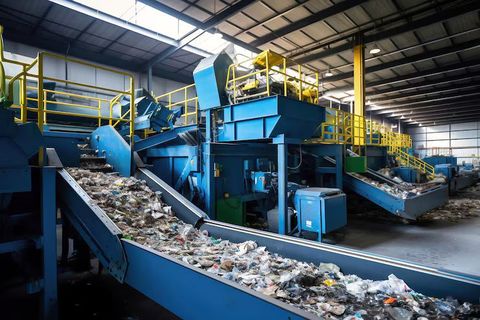
Different machines perform different functions within a recycling line. Pulping equipment breaks down paper into a fiber suspension, while sorting systems separate materials according to size, density, composition, or other physical characteristics.
Screening machines remove oversized particles and contaminants. Cleaning equipment can separate items such as plastics, staples, sand, and other unwanted materials. Deinking equipment is used when ink removal is necessary for the intended recycled paper application.
Paper recycling systems can therefore include multiple machine categories:
- Hydrapulpers for fiber separation
- Bale breakers for opening compressed paper
- Screening systems for contaminant removal
- Centrifugal cleaners for separating heavier particles
- Flotation systems for certain deinking processes
- Thickening equipment for adjusting pulp consistency
- Refiner systems for fiber preparation
- Pulp storage and mixing equipment
Importance
Paper recycling technology matters because paper products are used extensively in packaging, communication, printing, education, retail, manufacturing, and everyday activities. When suitable paper is recovered, its fibers can potentially be incorporated into another paper production cycle.
The process also addresses practical challenges associated with mixed paper waste. Paper collected from different sources may contain adhesives, coatings, inks, plastics, metal pieces, food residues, and other materials. These contaminants can interfere with processing and influence the quality of recycled pulp.
Who Uses Paper Recycling Technology
Paper recycling systems are used across several parts of the material recovery and paper manufacturing chain. Their applications can include recycling facilities, paper mills, packaging operations, municipal recovery programs, commercial collection systems, and industrial waste-processing facilities.
The appropriate equipment depends on the incoming material. Clean office paper requires different processing considerations from corrugated cardboard or mixed packaging paper.
Why Sorting Matters
Sorting is one of the important stages in paper recycling because different grades of paper contain different fiber characteristics and contaminants. Better separation of incoming material can make later processing more consistent.
Automated sorting systems may use mechanical separation, air-based separation, optical identification, magnetic components for metal removal, or combinations of technologies. Not every paper recycling machine uses every method.
A typical processing line may therefore use several sorting stages rather than depending on one separation technique.
Paper Recycling Machine Comparison
| Machine Type | Main Function | Typical Processing Stage | Key Consideration |
|---|---|---|---|
| Bale Breaker | Opens compressed paper | Preparation | Material consistency |
| Hydrapulper | Separates paper fibers | Pulping | Fiber release |
| Coarse Screen | Removes large contaminants | Screening | Particle size |
| Fine Screen | Separates smaller particles | Screening | Pulp cleanliness |
| Cleaner | Removes selected heavy contaminants | Cleaning | Density differences |
| Flotation System | Supports ink removal | Deinking | Ink characteristics |
| Thickener | Raises pulp consistency | Pulp preparation | Water removal |
| Refiner | Adjusts fiber properties | Pulp preparation | Fiber development |
Environmental and Resource Considerations
Paper recycling can reduce the amount of recoverable fiber entering disposal streams and can support more circular use of paper materials. However, recycling itself requires water, electricity, chemicals in some processes, equipment maintenance, and appropriate wastewater management.
The environmental performance of a recycling system therefore depends on the complete processing operation rather than on the machine alone. Factors such as electricity consumption, water circulation, contaminant handling, fiber losses, and the quality of recovered material all influence the overall process.
Recent Updates
From 2024 through 2026, paper recycling technology has continued moving toward greater automation, improved process monitoring, and more efficient material separation. Modern recycling facilities increasingly combine mechanical equipment with sensors, computerized controls, and data collection systems.
Automation and Process Monitoring
Automated controls can monitor variables such as pulp consistency, flow rates, pressure, temperature, and equipment operating conditions. Monitoring these parameters helps operators maintain more consistent processing conditions.
Sensors and digital control systems are also being integrated into sorting and screening equipment. Data from different parts of a processing line can provide information about material flow and equipment performance.
Improved Contaminant Separation
A major area of development involves handling increasingly complex paper waste streams. Packaging materials can contain coatings, adhesives, plastics, laminates, and other components that are difficult to separate from paper fibers.
Equipment manufacturers and recycling facilities are therefore focusing on improved screening, cleaning, sorting, and contaminant-removal methods. The goal is to separate usable fiber while limiting unnecessary fiber loss.
Energy and Water Management
Energy consumption and water use remain important considerations for paper recycling operations. Modern systems may incorporate improved motors, optimized pumping arrangements, water circulation systems, and process controls.
Water management is particularly relevant because pulping and several downstream processes use water to transport and separate fibers. Recycling process water can reduce freshwater requirements, although treatment and quality control are needed to maintain suitable operating conditions.
Data-Based Equipment Management
Digital monitoring is also becoming more common in industrial recycling systems. Equipment data can help identify unusual operating conditions, production interruptions, or changes in material quality.
This trend connects paper recycling machines with broader industrial automation developments, where sensors and control software are used alongside conventional mechanical equipment.
Laws or Policies
Paper recycling is influenced by waste-management, environmental-protection, industrial-emissions, wastewater, and resource-recovery rules. Requirements vary according to the country, region, facility size, material type, and processing capacity.
Waste Classification
Paper waste may be subject to rules concerning collection, transportation, storage, processing, and disposal. Facilities generally need to follow applicable requirements for handling incoming materials and separating recyclable fractions.
Environmental Controls
Paper recycling facilities can generate wastewater, solid residues, airborne particles, and other process outputs. Environmental rules may establish requirements for wastewater treatment, waste storage, emissions management, and responsible residue handling.
In India, applicable requirements can involve national and state-level environmental authorities, along with rules covering solid waste, plastic waste, water pollution, air pollution, and industrial operations where relevant. The exact obligations depend on the facility and its activities.
Producer and Packaging Policies
Many regions are also developing policies that encourage material recovery and circular-economy practices. Packaging-related frameworks can influence how paper and composite packaging materials are collected and processed.
Because regulations can change, facilities need to assess the rules applicable to their location and processing activity rather than relying on a single general requirement.
Tools and Resources
Several technical and planning resources can help readers understand paper recycling machines and processing systems. Manufacturer technical documentation can provide information about equipment functions, operating principles, capacity ranges, and process configurations.
Useful Resources for Research
Helpful resources can include:
- Recycling process flow diagrams
- Pulp consistency calculators
- Material balance worksheets
- Fiber recovery calculations
- Equipment specification sheets
- Waste classification guides
- Environmental compliance documents
- Industrial automation manuals
- Paper grade classification references
- Water and energy monitoring spreadsheets
A material balance can be particularly useful for understanding how much incoming paper becomes usable pulp and how much leaves the system as contaminants, process residue, or other outputs.
Understanding Machine Specifications
When comparing paper recycling machines, technical specifications should be interpreted in relation to the complete processing line. Important parameters can include throughput, pulp consistency, motor capacity, screen dimensions, contaminant-removal capability, water requirements, and control-system features.
A machine with a particular throughput figure does not necessarily produce the same result with every paper grade. Feed composition, moisture, contamination, fiber quality, and process configuration can all affect actual performance.
FAQs
What is a paper recycling machine?
A paper recycling machine is equipment used to process recovered paper into pulp or prepare paper fibers for another manufacturing stage. A complete system normally combines pulping, screening, cleaning, sorting, and pulp preparation equipment.
How does a paper recycling machine separate paper fibers?
A pulping system mixes paper with water and mechanical energy to release individual fibers. Screening and cleaning equipment then removes unwanted materials from the fiber suspension.
What does a paper pulping machine do?
A paper pulping machine breaks down recovered paper into a water-based fiber mixture. The resulting pulp can then pass through screening, cleaning, deinking, thickening, or refining stages depending on the material and intended application.
Why are sorting and screening important in paper recycling?
Sorting and screening help remove materials that should not remain with the recovered fiber. These stages can separate oversized contaminants, plastics, metal pieces, adhesives, and other unwanted materials according to the capabilities of the processing system.
What factors affect paper recycling machine performance?
Performance can be influenced by paper type, moisture content, contamination level, fiber condition, pulp consistency, equipment configuration, water quality, and operating conditions. These factors should be considered together when evaluating a recycling process.
Conclusion
Paper recycling machines combine pulping, sorting, screening, cleaning, and pulp preparation technologies to recover usable fiber from discarded paper. Modern systems increasingly incorporate automation, sensors, process monitoring, and improved contaminant separation. Environmental requirements also influence wastewater, residue, emissions, and material-handling practices. Understanding the complete processing sequence provides a clearer view of how paper recycling technology supports the recovery and reuse of paper fibers.