Excavators Overview With Construction Technology and Equipment Information
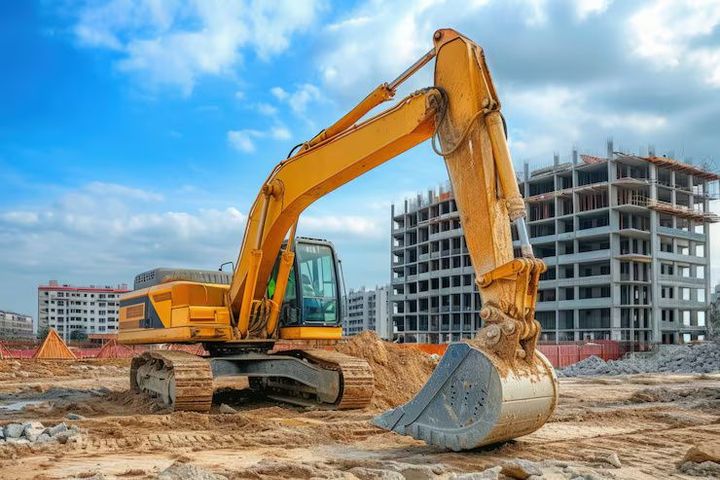
Excavators are heavy construction machines designed primarily for digging, lifting, trenching, grading, and moving materials. An excavator normally consists of a tracked or wheeled undercarriage, a rotating upper structure, a boom, an arm, and an attachment such as a bucket. These components work together to provide controlled movement across construction sites, mining areas, landscaping projects, and infrastructure work.
The development of excavators came from the need to replace or reduce physically demanding manual digging with powered mechanical equipment. Early digging machines used steam power and mechanical systems, while modern excavators generally use diesel engines, hydraulic systems, electronic controls, and increasingly sophisticated digital technologies. Today, construction technology has expanded the capabilities of excavators through machine monitoring, automated functions, positioning systems, and improved operator interfaces.
Excavators are available in many configurations. Compact excavators are suited to restricted spaces, standard crawler excavators are widely used for earthmoving, and wheeled excavators are designed for projects where movement between locations is important. Specialized excavators can also be configured for demolition, material handling, forestry, dredging, and other applications.
Main Components of an Excavator
An excavator has several major systems that determine how it operates. The undercarriage supports the machine and may use tracks or wheels, while the upper structure contains the engine, hydraulic equipment, operator cab, and counterweight.
The boom and arm provide the reach needed for digging and lifting. Attachments connect to the end of the arm and can be changed according to the task.
Common components include:
- Hydraulic system for powering movement and attachments
- Boom and arm for controlled reach
- Bucket for digging and material handling
- Cab containing operator controls and displays
- Tracks or wheels for mobility
- Counterweight for machine balance
- Engine and powertrain for mechanical energy
Types of Excavators
Excavator categories differ according to size, mobility, operating environment, and intended application. Compact excavators are commonly used where space is limited, while crawler excavators provide stability on uneven ground.
Wheeled excavators can travel efficiently across suitable paved or firm surfaces. Long-reach excavators extend the working distance, while demolition excavators can use specialized booms and attachments for structural removal.
Importance
Excavators matter because excavation and material movement are fundamental parts of construction and infrastructure development. Foundations, drainage systems, roads, utility trenches, landscaping projects, and large earthworks often require controlled removal or relocation of soil and other materials.
For the general public, excavators may appear mainly as large machines on construction sites, but their functions affect many everyday environments. They can be involved in preparing land for buildings, maintaining transportation infrastructure, creating drainage channels, and managing excavation around utility systems.
Problems Excavators Help Address
Manual excavation can be physically demanding and difficult to control at larger scales. Excavators provide mechanical power, reach, and attachment flexibility, allowing operators to perform different tasks with one machine platform.
They can also help with:
- Removing soil from foundations
- Creating trenches for utilities
- Moving aggregate and other materials
- Preparing slopes and surfaces
- Clearing selected construction areas
- Handling demolition debris with suitable attachments
- Supporting drainage and earthwork activities
Construction Technology and Productivity
Modern construction technology has changed how excavators are operated and monitored. Electronic displays can provide information about engine conditions, hydraulic performance, fuel consumption, operating hours, and machine alerts.
Machine-control systems can also combine positioning information with digital site plans. Depending on the equipment configuration, these systems may help operators understand digging depth, bucket position, and planned grades without relying entirely on manual measurements.
The result is a closer connection between physical construction equipment and digital project information. However, technology does not eliminate the need for trained operators, site planning, inspections, or appropriate safety procedures.
Recent Updates
From 2024 through 2026, excavator development has continued toward greater automation, connectivity, energy efficiency, and operator assistance. Manufacturers and construction technology companies have increasingly focused on integrating digital systems with conventional hydraulic equipment.
Electrification and Energy Systems
Electric excavators have received increased attention, particularly in compact equipment categories and projects where noise and local emissions are important considerations. Battery-powered machines can have different operating characteristics from conventional diesel equipment, including charging requirements and changes in duty-cycle planning.
Hybrid technologies have also been explored for reducing energy consumption during selected operating conditions. The suitability of an electric or hybrid excavator depends on machine size, operating hours, available charging infrastructure, site conditions, and the nature of the work.
Machine Control and Automation
Machine-control technology has become an important part of modern excavator equipment. Positioning systems, sensors, digital terrain models, and electronic controls can provide operators with additional information while digging or grading.
Some systems can assist with repetitive movements or maintain predefined working parameters. Automation levels vary considerably, so the presence of digital controls should not be interpreted as completely autonomous operation.
Connectivity and Fleet Monitoring
Connected construction equipment can transmit operational information to digital platforms. Depending on the system, information may include machine location, operating hours, fuel or energy use, diagnostic alerts, and utilization data.
This information can help construction organizations understand equipment usage and identify maintenance requirements. Data collection also creates considerations involving cybersecurity, system compatibility, connectivity, and responsible handling of machine information.
Attachments and Versatility
Excavator attachments continue to expand the range of tasks a single machine can perform. Hydraulic breakers, grapples, augers, compactors, thumbs, shears, and specialized buckets can be selected for different applications.
The correct attachment must match the excavator's hydraulic capacity, weight, dimensions, and operating specifications. Using an unsuitable attachment can affect machine stability and component performance.
Laws or Policies
Excavator operation is shaped by occupational safety rules, environmental requirements, transportation regulations, and equipment standards. Exact requirements vary by country, region, machine category, and work environment, so there is no single worldwide rulebook for excavators.
Operator and Site Safety
Many regulatory systems require employers and site managers to control risks associated with heavy construction equipment. Common safety principles include operator training, pre-operation inspections, safe exclusion zones, visibility management, and procedures for working around pedestrians and other machinery.
Excavators working near underground utilities may also be subject to specific requirements concerning identification and protection of buried infrastructure.
Environmental Requirements
Construction equipment can be affected by rules covering engine emissions, noise, fuel handling, and environmental protection. Requirements can differ according to engine type, machine size, operating location, and applicable local legislation.
Electric and hybrid excavators may have different environmental considerations, but they remain subject to applicable workplace and equipment safety requirements.
Transportation and Equipment Rules
Moving an excavator between sites can involve requirements related to machine dimensions, weight, road use, securing equipment, and operator responsibilities. These rules vary significantly between jurisdictions.
For this reason, equipment owners and site managers generally need to consult the applicable national and regional authorities, equipment documentation, and workplace rules before transporting or operating machinery.
Tools and Resources
Several digital and physical resources can help readers understand excavators and construction equipment more clearly. Equipment manuals provide specifications, operating information, inspection procedures, attachment compatibility details, and safety instructions.
Useful Construction Tools
Common resources include:
- Excavator specification sheets for comparing machine dimensions and capabilities
- Hydraulic flow and pressure references for attachment compatibility
- Digging-depth and reach calculators for planning excavation requirements
- Grade-control systems for digital elevation information
- Construction estimating templates for organizing project quantities
- Equipment inspection checklists for routine condition reviews
- Digital mapping and positioning platforms for site planning
- Manufacturer operation manuals for machine-specific information
Understanding Equipment Specifications
Excavator specifications often include operating weight, engine power, bucket capacity, maximum digging depth, maximum reach, hydraulic flow, and tail-swing dimensions. These figures describe different aspects of machine capability and should be considered together rather than individually.
For example, a machine with substantial digging depth may not be appropriate for a restricted site if its tail swing or overall dimensions create access difficulties. Similarly, attachment requirements can influence the hydraulic specifications needed from the excavator.
FAQs
What is an excavator used for?
An excavator is primarily used for digging, trenching, lifting, grading, material handling, and related earthmoving activities. Different attachments allow the machine to perform additional specialized tasks.
What are the main types of excavators?
Common types include crawler excavators, wheeled excavators, compact excavators, long-reach excavators, and specialized demolition or material-handling excavators. Their differences mainly involve mobility, size, reach, stability, and application.
How does construction technology improve excavators?
Construction technology can add positioning systems, machine monitoring, operator-assistance functions, digital displays, and connectivity. These technologies provide additional information and control but still require appropriate operating procedures and human oversight.
What should be considered when selecting an excavator?
Important factors include machine size, operating weight, digging depth, reach, attachment compatibility, ground conditions, access restrictions, hydraulic specifications, and the nature of the excavation task.
Are electric excavators replacing diesel excavators?
Electric excavators are becoming more common, particularly in compact equipment categories, but diesel-powered machines remain widely used. The appropriate power system depends on operating requirements, machine size, charging availability, duty cycle, and site conditions.
Conclusion
Excavators are versatile construction machines that combine hydraulic power, mechanical components, and specialized attachments for excavation and material-handling tasks. Modern construction technology has added digital monitoring, machine-control systems, connectivity, and emerging electric power options to traditional excavator designs. Equipment selection and operation depend on factors such as machine dimensions, attachment requirements, site conditions, safety procedures, and applicable regulations. Understanding these fundamentals provides a useful foundation for interpreting modern excavators and their role in construction equipment.