Donut Frying Machines Guide With Automated Frying Systems and Food Processing Technology
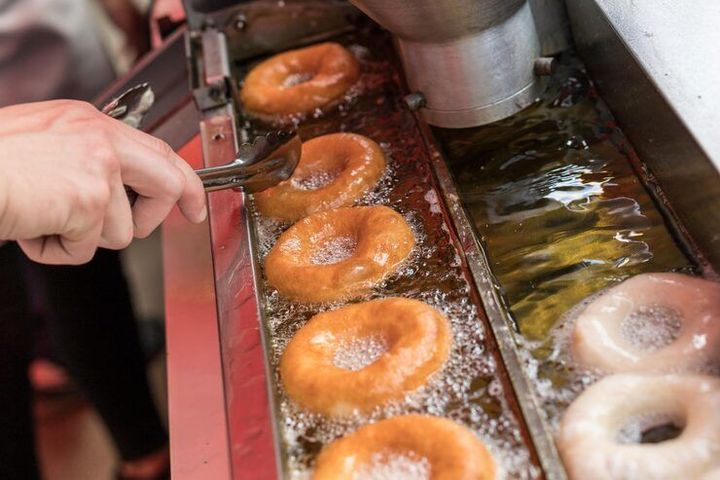
Donut frying machines are food processing systems designed to cook donut dough in heated oil under controlled conditions.
These machines are used in bakeries, commercial kitchens, food production facilities, and industrial manufacturing environments. A donut frying machine guide helps explain how automated frying systems work, which components influence product quality, and how equipment fits into a wider food processing line.
Traditional donut preparation involves shaping dough, allowing it to rise when required, and placing the pieces into hot oil. Operators must manage frying temperature, cooking duration, product movement, and turning to achieve consistent color and texture. Automated systems perform some or most of these tasks mechanically, reducing the amount of manual handling required during production.
Development of Automated Frying Systems
Early commercial donut production relied heavily on manual techniques and relatively simple frying equipment. As bakeries expanded their production volumes, manufacturers developed equipment with controlled heating, conveyor movement, automatic turning mechanisms, and timed product discharge.
Modern donut frying machines range from compact countertop units to continuous industrial systems. Some models handle individual batches, while others move donuts through a sequence of frying stages. Equipment selection depends on the type of donut, production requirements, available floor space, and the level of automation needed.
Main Components and Their Functions
An automated donut frying system generally includes several connected components:
Frying tank: Holds the cooking oil and provides the space where donuts are fried.
Heating system: Uses electric elements, gas burners, or another approved heating arrangement to maintain the required temperature.
Temperature controller: Measures and regulates oil temperature.
Conveyor mechanism: Moves donuts through the frying area in continuous systems.
Turning mechanism: Rotates products when both sides require frying.
Oil filtration equipment: Removes food particles that can affect oil quality.
Discharge section: Transfers cooked donuts to cooling, draining, or finishing equipment.
Control panel: Allows operators to adjust operating settings and monitor machine functions.
The configuration varies between machines. A small batch fryer may require manual loading and removal, whereas an industrial donut production line can connect frying equipment with dough preparation, glazing, cooling, and packaging stages.
Importance
Consistency in Food Production
Consistent product quality is an important consideration in commercial baking. Differences in oil temperature, cooking duration, dough thickness, and product spacing can affect a donut's color, texture, shape, and oil absorption.
Automated frying systems help control these variables by maintaining operating settings and moving products through repeatable cooking cycles. However, automation alone cannot correct poorly prepared dough, unsuitable ingredients, or incorrect machine settings.
Production Efficiency and Labor Management
Manual frying requires continuous attention to oil temperature, product position, and cooking progress. Automated donut frying machines can reduce repetitive handling and help operators manage larger production batches with a more structured workflow.
The level of operational support depends on the machine design. Some systems automate frying and turning but still require manual loading, draining, and transfer, while integrated production lines coordinate several stages through connected controls.
Food Safety and Workplace Conditions
Hot oil presents risks such as burns, splashing, and fire. Enclosed or guarded frying areas, suitable handling tools, temperature controls, emergency stops, and clear operating procedures can help reduce workplace hazards.
Food hygiene also depends on the equipment's construction and maintenance. Accessible surfaces, suitable materials, effective cleaning procedures, and proper oil management help support safe food production.
Comparing Donut Frying Machine Types
Machine type | Operating method | Common application |
|---|---|---|
Manual fryer | Operator controls loading and turning | Small bakeries |
Semi-automatic fryer | Mechanical assistance with some manual handling | Medium-scale production |
Batch fryer | Donuts are cooked in separate batches | Variable production volumes |
Conveyor fryer | Products move continuously through heated oil | High-volume production |
Integrated frying line | Frying connects with other production stages | Industrial food manufacturing |
The appropriate system depends on product variety, production volume, staffing, energy availability, and the amount of space available for equipment.
Recent Updates
Automation and Process Monitoring
During 2024–2026, food processing technology continued to emphasize automation, process monitoring, equipment integration, and operational data. In donut production, these developments are reflected in the use of programmable controllers, digital temperature displays, adjustable conveyor speeds, and monitoring systems.
Such features help operators maintain repeatable frying conditions and identify changes during production. More advanced systems may record operating parameters or connect with broader production monitoring platforms, although capabilities vary by manufacturer and model.
Energy and Oil Management
Energy efficiency remains an important consideration for commercial frying equipment. Insulation, controlled heating, suitable tank design, and reduced unnecessary heating can influence energy use during operation.
Oil filtration and temperature management are also important. Removing food particles can help maintain oil quality, while excessive heating and prolonged oil use can accelerate deterioration. Filtration does not remove every undesirable compound, so oil condition must still be monitored and the oil replaced according to appropriate procedures.
Integration With Digital Production Lines
Modern food processing facilities increasingly connect individual machines to coordinated production systems. A donut frying machine may operate alongside dough depositors, proofing equipment, cooling conveyors, glazing machines, and packaging equipment.
Integration can help synchronize production speed and reduce unnecessary transfers between stages. However, differences in product size, dough characteristics, and processing requirements must be considered when configuring a connected line.
Design Flexibility
Food manufacturers may need to produce ring donuts, filled donuts, cake donuts, or other variations. Equipment flexibility can depend on the frying method, product dimensions, conveyor arrangement, and compatibility with upstream dough-forming equipment.
Adjustable settings may support different recipes, but changing products can require new operating parameters, cleaning procedures, and production tests.
Laws or Policies
Food Safety Requirements
Donut frying machines must be operated within the food safety requirements that apply in the relevant jurisdiction. These rules commonly address hygienic equipment design, safe food handling, cleaning, pest prevention, and the prevention of contamination.
Manufacturers and food businesses should understand the applicable requirements for food-contact materials, equipment installation, and routine sanitation. The exact obligations differ by country and by the type of food production facility.
Machinery and Workplace Safety
Commercial frying equipment combines heat, electricity or gas, moving parts, and potentially large quantities of hot oil. Applicable machinery and workplace safety requirements may address guarding, emergency stops, electrical protection, ventilation, fire prevention, and operator training.
Equipment should be installed and maintained according to its technical documentation and relevant local requirements. Operators should understand shutdown procedures and know how to respond to oil leaks, overheating, mechanical faults, or other unsafe conditions.
Oil Handling and Waste Management
Used cooking oil and accumulated food residues require appropriate handling. Depending on local environmental rules, businesses may need to collect used oil separately and arrange disposal through authorized waste management channels.
Oil should not be poured into drains because it can contribute to blockages and wastewater problems. Storage containers should be suitable for the material and positioned to minimize spills and accidental contact.
Equipment Documentation
Before operating a commercial donut frying machine, a facility may need to review documentation covering:
Installation and electrical or gas connections.
Operating temperature ranges and control settings.
Cleaning and maintenance procedures.
Emergency shutdown arrangements.
Replacement parts and approved accessories.
Applicable conformity or safety documentation.
Documentation helps operators understand the equipment's intended use and the limits within which it should operate.
Tools and Resources
Production Capacity Calculations
Production capacity is one of the main considerations when selecting a donut frying machine. A basic estimate can be calculated using the number of donuts processed per cycle and the time required for each cycle.
For example, a batch fryer processing 40 donuts every four minutes has a theoretical throughput of 600 donuts per hour:
40 donuts ÷ 4 minutes × 60 minutes = 600 donuts per hour.
Actual output may be lower because of loading, unloading, cleaning, recipe changes, interruptions, and differences in cooking requirements. Continuous systems should be evaluated using their stated operating capacity and actual production conditions.
Temperature and Oil Monitoring Tools
Digital thermometers and built-in temperature sensors help operators check frying conditions. Oil-quality assessment tools may also help evaluate changes associated with repeated heating, although each instrument has specific limitations and operating instructions.
Useful monitoring records can include oil temperature, frying duration, oil replacement, filtration activity, cleaning schedules, and production output. These records support process consistency and make operating changes easier to investigate.
Equipment Selection Checklist
A structured checklist can help compare donut frying machines without relying on appearance alone.
Evaluation factor | Information to review |
|---|---|
Production capacity | Output per batch or per hour |
Product compatibility | Donut shapes, sizes, and recipes |
Heating method | Electric, gas, or other configuration |
Temperature control | Accuracy and adjustment range |
Oil management | Filtration, drainage, and handling |
Cleaning access | Removable parts and accessible surfaces |
Safety features | Guards, alarms, and emergency stops |
Integration | Compatibility with other production equipment |
Maintenance | Inspection needs and replacement components |
Maintenance and Training Resources
Operator manuals, maintenance schedules, food safety procedures, and equipment training materials are useful resources for daily production. Training should cover startup, temperature adjustment, loading, unloading, cleaning, shutdown, and emergency response.
Preventive maintenance commonly includes inspecting heating components, checking temperature sensors, examining conveyor mechanisms, and reviewing electrical or gas connections where applicable. Maintenance frequency should follow manufacturer guidance and the operating conditions of the facility.
FAQs
How does an automated donut frying machine work?
An automated donut frying machine heats oil to a controlled temperature and cooks dough pieces for a defined period. Depending on the design, it may automatically move, turn, and discharge donuts for cooling or finishing.
What is the difference between batch and conveyor donut frying machines?
A batch fryer cooks a group of donuts during a separate cycle, while a conveyor fryer moves products continuously through the frying area. Batch systems can suit variable production needs, whereas conveyor systems are designed for continuous processing.
What temperature is used in donut frying machines?
The appropriate temperature depends on the dough recipe, donut thickness, equipment design, and cooking requirements. Operators should follow validated recipe settings and the machine manufacturer's instructions rather than applying one temperature to every product.
How can food safety be maintained in an industrial donut frying system?
Food safety depends on hygienic equipment design, suitable cleaning procedures, safe oil handling, temperature monitoring, and trained operators. Regular inspections and compliance with applicable food safety requirements are also important.
What should be considered when selecting donut frying equipment?
Important factors include production capacity, product variety, heating method, temperature control, oil filtration, cleaning access, safety features, energy use, and compatibility with other food processing equipment.
Conclusion
Donut frying machines support commercial food production by controlling oil heating, cooking duration, and product movement. Automated frying systems range from batch equipment to integrated conveyor lines, with capabilities suited to different production requirements. Temperature monitoring, oil management, hygienic construction, and preventive maintenance contribute to consistent operation and food safety. Equipment selection and use should reflect product needs, workplace safety practices, and applicable food processing regulations.