Water Recycling Plants Overview With Filtration Technology and Water Management Information
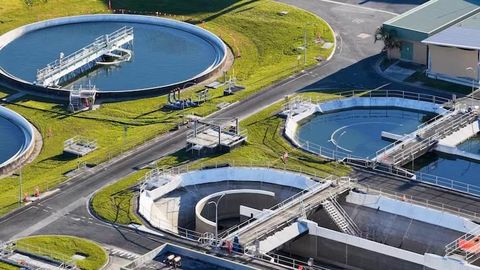
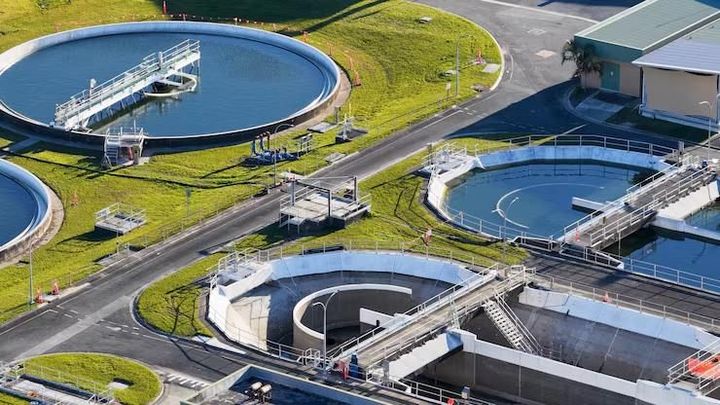
Water recycling plants are facilities designed to collect used water, remove unwanted materials, and prepare it for another suitable purpose. These plants use filtration technology, biological treatment, chemical processes, and disinfection methods to improve water quality.
Water recycling is an important part of modern water management because freshwater supplies face pressure from population growth, industrial activity, urban development, and changing weather patterns.
Used water comes from several sources, including households, commercial buildings, factories, and municipal drainage systems. It may contain suspended solids, organic matter, detergents, nutrients, oils, and microorganisms. The type and quantity of these substances depend on the original water source and the activities that produced the wastewater.
Water recycling plants process this water through multiple treatment stages. Depending on the treatment level, the recovered water may be suitable for landscape irrigation, industrial cooling, equipment cleaning, toilet flushing, or other approved applications. Water intended for drinking requires specialized treatment and strict quality controls.
How Water Recycling Plants Work
A water recycling plant generally uses a sequence of physical, biological, and chemical processes. Each stage addresses different contaminants, allowing the treated water to meet the requirements of its intended use.
The main treatment stages include:
Preliminary treatment, which removes large objects, grit, and other materials that could damage equipment.
Primary treatment, which separates settleable solids and floating substances.
Secondary treatment, which uses microorganisms to break down biodegradable organic matter.
Tertiary treatment, which provides additional filtration and contaminant removal.
Disinfection, which reduces harmful microorganisms before the water is reused or discharged.
Not every plant uses the same arrangement. Treatment requirements depend on the wastewater composition, local environmental conditions, intended reuse, and applicable quality standards.
Common Types of Water Recycling Plants
Municipal water recycling plants generally handle wastewater collected from homes, public buildings, and commercial areas. Industrial recycling plants treat process water generated by manufacturing, food processing, power generation, and other industrial activities.
Decentralized treatment systems serve individual buildings, residential communities, campuses, and smaller developments. These systems can reduce the need to transport all wastewater to a distant centralized facility.
Advanced water recycling plants may use membrane filtration, activated carbon, ultraviolet treatment, or reverse osmosis. The selected technologies depend on the contaminants that must be removed and the quality required for the next application.
Importance
Water recycling plants play an important role in water management by reducing dependence on freshwater sources. Rivers, lakes, reservoirs, and groundwater supplies support households, agriculture, ecosystems, and industrial activities. When demand increases, recycling suitable wastewater can help distribute available water resources more efficiently.
Benefits for Communities and Industries
Recycled water can support several everyday activities. Municipal authorities may use treated water for parks, roadside landscaping, and public green spaces. Industrial facilities may reuse it for cooling towers, washing operations, and selected manufacturing processes.
Water recycling also helps manage wastewater volumes. Treating and reusing suitable water can reduce the amount discharged into rivers and other receiving environments, provided that the treatment process and discharge controls are properly designed.
Other potential benefits include:
Reduced demand on freshwater supplies.
Improved management of municipal and industrial wastewater.
Greater flexibility during periods of water scarcity.
Reduced pressure on some groundwater sources.
Opportunities to recover nutrients, energy, and other useful materials from wastewater.
These benefits depend on the plant's design, operating conditions, energy requirements, and the quality of the incoming wastewater.
Challenges in Water Recycling
Water recycling systems require careful planning and consistent operation. Different wastewater sources contain different contaminants, so a treatment method suitable for one application may not be appropriate for another.
Common challenges include membrane fouling, unpleasant odors, sludge management, energy consumption, equipment maintenance, and changes in wastewater composition. Treatment plants must also monitor water quality to identify operational problems and verify that the treated water meets the requirements of its intended use.
Public understanding is another important consideration. People may have concerns about recycled water because they associate it with untreated sewage. Clear information about treatment stages, water quality testing, and approved uses helps explain how recycled water is managed.
Recent Updates
Water recycling technology continues to develop as communities and industries respond to water scarcity, environmental pressures, and changing water demand. Recent developments through 2024–2026 reflect a broader focus on advanced filtration, digital monitoring, energy efficiency, and resource recovery.
Advances in Filtration Technology
Membrane filtration has become an important component of many advanced water treatment systems. Microfiltration and ultrafiltration remove suspended particles and many microorganisms, while nanofiltration and reverse osmosis provide additional separation of dissolved substances, depending on membrane characteristics and operating conditions.
Membrane bioreactors combine biological wastewater treatment with membrane separation. This arrangement can produce relatively clear treated water while supporting compact plant designs. However, membranes require appropriate cleaning, monitoring, and replacement planning.
Activated carbon filtration is also used to reduce certain organic compounds, odors, and other substances. The actual performance depends on the carbon material, contact time, water composition, and operating conditions.
Digital Monitoring and Automation
Modern treatment plants increasingly use sensors, automated controls, and digital monitoring systems to track water flow, pressure, turbidity, pH, and other operating indicators. These systems help operators identify unusual conditions and adjust treatment processes.
Data analysis can also help detect equipment problems and improve maintenance planning. However, automated monitoring does not replace laboratory testing, qualified oversight, or established safety procedures.
Resource Recovery and Efficient Operations
Another developing trend is the recovery of useful resources from wastewater. Treatment facilities may capture biogas from anaerobic digestion, recover nutrients from suitable waste streams, or reuse treated water within industrial operations.
Energy-efficient pumps, improved aeration controls, and better process management can reduce the energy required for treatment. The overall environmental effect depends on the plant's technology, electricity source, sludge handling practices, and operating requirements.
Laws or Policies
Water recycling plants operate within legal and regulatory frameworks that address wastewater treatment, environmental protection, water quality, and public health. Requirements vary by country, state, municipality, and intended water use.
Water Recycling Regulations in India
In India, wastewater treatment and reuse are influenced by environmental laws, pollution control requirements, municipal policies, and water management programs. The Environment (Protection) Act, 1986, and the Water (Prevention and Control of Pollution) Act, 1974, provide important parts of the country's environmental framework.
The Central Pollution Control Board and State Pollution Control Boards have roles in establishing or implementing pollution control requirements. Depending on the facility and its location, operators may need relevant approvals, environmental clearances, consent to establish, or consent to operate.
Local authorities may also establish requirements for wastewater treatment and the reuse of treated sewage in suitable applications. The precise obligations depend on the type of plant, discharge destination, industry, and applicable regional rules.
Water Quality and Reuse Standards
Water quality requirements differ according to the intended application. Water used for landscape irrigation may require different treatment from water used in industrial manufacturing or applications involving direct human contact.
Important monitoring parameters may include:
Biological oxygen demand (BOD), which indicates biodegradable organic pollution.
Chemical oxygen demand (COD), which measures the oxygen equivalent associated with chemically oxidizable substances.
Total suspended solids (TSS), which indicate the quantity of suspended particles.
pH, which measures how acidic or alkaline the water is.
Microbial indicators, which help assess potential biological contamination.
Additional testing may be necessary for dissolved salts, metals, nutrients, or specific industrial contaminants. Treatment facilities must follow the standards and permit conditions applicable to their operations.
Tools and Resources
Water recycling plants rely on technical tools and operational resources to assess incoming wastewater, select suitable filtration methods, and monitor treatment performance. These resources support planning, process control, and environmental compliance.
Water Quality Testing Equipment
Water quality instruments help operators understand changes in wastewater and treated water. Common equipment includes pH meters, turbidity meters, dissolved oxygen sensors, flow meters, and conductivity meters.
Laboratory analysis is also important because some contaminants cannot be assessed adequately through basic field instruments. Testing schedules should reflect the plant's operating conditions, regulatory requirements, and intended water reuse.
Treatment Design and Monitoring Tools
Engineers and plant operators may use process simulation software, hydraulic calculations, filtration performance models, and energy monitoring systems to assess treatment requirements. These tools can help estimate flow capacity, identify process limitations, and compare alternative treatment arrangements.
A basic comparison of common filtration technologies is shown below.
Technology | Main function | Typical application |
|---|---|---|
Sand filtration | Removes suspended particles | Municipal and industrial water polishing |
Activated carbon | Reduces certain organic compounds and odors | Reuse water treatment |
Microfiltration | Separates fine suspended particles | Pretreatment and water clarification |
Ultrafiltration | Removes finer particles and many microorganisms | Advanced wastewater treatment |
Reverse osmosis | Reduces dissolved salts and various dissolved substances | High-purity industrial water production |
Ultraviolet disinfection | Inactivates susceptible microorganisms | Final treatment where appropriate |
Each technology has limitations. Reverse osmosis produces a concentrated reject stream, activated carbon requires periodic replacement or regeneration, and ultraviolet treatment depends on factors such as water clarity and the target microorganisms.
Planning and Maintenance Resources
Plant planning commonly involves wastewater flow estimates, water quality reports, equipment specifications, maintenance schedules, and sludge management plans. Operators also maintain records of treatment performance, equipment failures, chemical use, and laboratory results.
These records help identify recurring problems and support compliance reporting. Reliable operation depends on suitable equipment selection, trained personnel, regular inspection, and an appropriate response to abnormal water quality results.
FAQs
What Is a Water Recycling Plant?
A water recycling plant treats wastewater so that it can be used again for an appropriate purpose. Treatment may include screening, biological processing, filtration, and disinfection, depending on the source water and required quality.
How Does Filtration Technology Work in Water Recycling Plants?
Filtration technology separates suspended particles and other unwanted materials from water. Methods such as sand filtration, membrane filtration, and activated carbon treatment address different contaminants, so plants may combine several methods to meet their treatment objectives.
Is Recycled Water Safe for Everyday Use?
Recycled water can be suitable for specific applications when it receives appropriate treatment and meets the relevant water quality requirements. Water intended for drinking requires treatment and verification appropriate to potable use, while water approved for irrigation or industrial processes may follow different standards.
What Are the Main Types of Water Recycling Systems?
The main types include municipal wastewater treatment plants, industrial recycling systems, decentralized building treatment systems, and advanced water reclamation facilities. Each system is designed around its wastewater source, treatment requirements, available space, and intended reuse.
Which Factors Affect Water Recycling Plant Performance?
Plant performance depends on incoming water quality, treatment technology, flow rate, equipment condition, operator training, energy availability, and maintenance practices. Regular testing and monitoring help determine whether the plant consistently meets its required water quality standards.
Conclusion
Water recycling plants combine filtration technology, biological treatment, and disinfection to make wastewater suitable for designated reuse applications. Their role in water management includes reducing freshwater demand, supporting industrial processes, and improving wastewater handling. Advances in membrane systems, digital monitoring, and resource recovery are expanding treatment options, although operational and environmental challenges remain. Effective water recycling depends on appropriate plant design, regular monitoring, responsible maintenance, and compliance with applicable water quality requirements.