Vintage Rose Gold Jewelry Designs Knowledge of Classic Craftsmanship and Design Elements
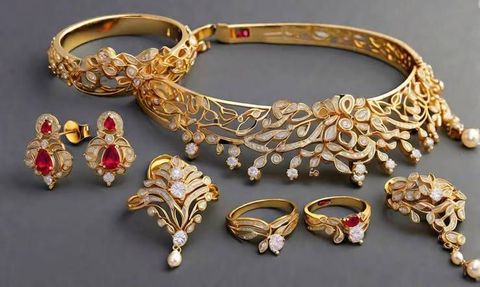
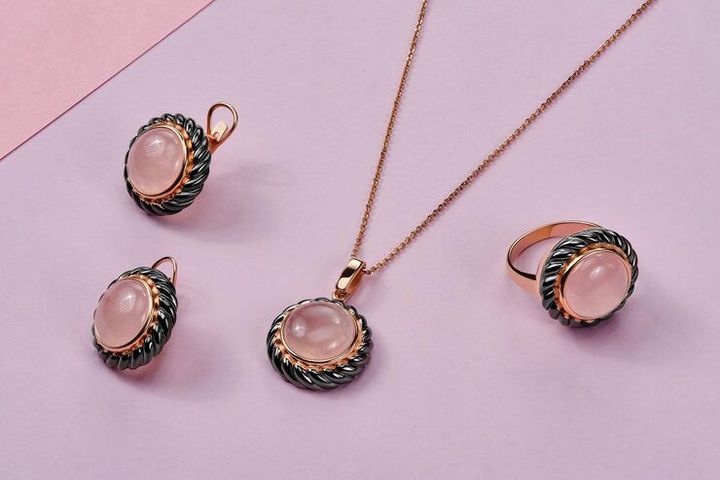
Vintage rose gold jewelry designs combine warm-toned gold alloys with decorative elements associated with earlier jewelry periods. Rings, necklaces, earrings, bracelets, brooches, lockets, and pendants may feature rose-colored metal alongside gemstones, engraving, filigree, milgrain details, floral patterns, geometric forms, and hand-finished surfaces.
Understanding these pieces involves learning about both metal composition and classic craftsmanship.
Rose gold receives its characteristic pink or reddish appearance from a gold alloy containing copper. Pure gold has a naturally yellow appearance and is relatively soft, so jewelry is commonly produced using alloys that combine gold with other metals. Increasing the proportion of copper generally creates a warmer tone, although the exact appearance depends on the complete alloy composition.
The term vintage is commonly associated with jewelry from an earlier period, although definitions can vary according to context. Vintage-inspired jewelry is different because it can be newly produced while incorporating historical design elements. Antique is another term that may have a specific age-based meaning in certain legal, customs, or trade contexts.
Rose-colored gold has appeared during different periods of jewelry history. Its popularity has changed over time alongside shifts in fashion, metalworking techniques, gemstone preferences, and artistic movements.
Understanding Rose Gold
Rose gold is not a naturally pink form of pure gold. Its color comes from combining gold with other metals, particularly copper. Some alloy formulations can also include silver or other permitted metals.
The appearance may range from subtle pink to deeper reddish tones. Factors influencing color include:
Gold purity
Copper proportion
Additional alloying metals
Surface finishing
Polishing technique
Lighting conditions
Natural surface aging
Different pieces described as rose gold may therefore show noticeable color variation.
Vintage and Vintage-Inspired Design
A genuine vintage piece comes from an earlier period, while a vintage-inspired piece uses historical design language in modern production. This distinction is important when describing jewelry.
Historical jewelry movements can include Victorian, Edwardian, Art Nouveau, Art Deco, and later twentieth-century styles. These periods did not use identical materials or techniques, and design features sometimes overlap across eras.
Importance
Vintage rose gold jewelry is useful to study because it shows how materials, craftsmanship, technology, and artistic preferences influence jewelry design. A small ring or pendant can contain evidence of metal-forming methods, gemstone-setting techniques, decorative traditions, and manufacturing practices from its period.
Understanding these details also helps distinguish genuine age-related characteristics from modern decorative techniques. A newly manufactured piece can intentionally include engraving, milgrain, or antiqued surfaces, so appearance alone does not always establish when an item was produced.
Classic Craftsmanship
Traditional jewelry craftsmanship often involved substantial handwork. Craftspeople shaped metal, formed decorative elements, prepared gemstone settings, joined components, engraved surfaces, and completed finishing processes using specialized tools.
Common craftsmanship techniques include:
Hand engraving for lines and decorative patterns
Filigree using fine metal wires and open structures
Milgrain creating rows of small bead-like edges
Piercing for open decorative sections
Hammering for texture and shaping
Soldering for joining metal components
Stone setting for securing gemstones
Polishing for refining exposed surfaces
Modern production may reproduce many of these effects using a combination of hand techniques and precision equipment.
Common Design Elements
Floral and nature-inspired forms appear in many historical jewelry designs. Leaves, vines, flowers, stars, bows, and flowing lines can be incorporated into rings, pendants, brooches, and bracelets.
Geometric patterns became especially prominent in certain twentieth-century styles. Straight lines, repeated shapes, symmetry, stepped arrangements, and contrasting gemstones can create a structured appearance.
Scrollwork is another traditional element. Curved metal lines can form borders, frames, or open patterns around gemstones.
Gemstones and Rose Gold
Rose gold can be combined with diamonds and many colored gemstones. The warm metal tone creates different visual relationships depending on gemstone color and transparency.
Diamond, sapphire, ruby, emerald, garnet, amethyst, aquamarine, pearl, and other materials may appear in historical or historically influenced pieces. However, the presence of a particular gemstone does not establish the age of a piece.
Gemstone setting styles can provide additional design information. Prong, bezel, channel, pavé, cluster, and flush arrangements create different appearances and levels of metal coverage.
The following table summarizes several design elements:
| Design Element | Basic Description | Visual Character |
|---|---|---|
| Filigree | Fine metal wire patterns | Light and detailed |
| Milgrain | Small beaded metal edges | Textured borders |
| Engraving | Cut decorative lines | Detailed surface patterns |
| Floral Motif | Flowers, leaves, and vines | Nature-inspired |
| Geometric Pattern | Repeated structured shapes | Symmetrical appearance |
| Cluster Setting | Multiple stones grouped together | Concentrated gemstone pattern |
| Openwork | Deliberate spaces within metal | Airy structure |
Recent Updates
From 2024 through 2026, jewelry design has continued to revisit historical forms while combining them with digital modeling and contemporary manufacturing. Rose gold remains part of this broader design landscape, particularly in pieces that combine traditional decorative details with simplified modern proportions.
Revival of Historical Details
Filigree, engraved surfaces, milgrain edges, floral motifs, and geometric patterns continue to appear in contemporary jewelry. Rather than reproducing an entire historical style, modern designs may use only selected elements.
For example, a contemporary ring can have a simple overall shape while incorporating a milgrain border. Another piece may combine geometric gemstone placement with rose-colored metal and hand-finished engraving.
Digital Design and Traditional Appearance
Computer-aided design has changed how historically influenced jewelry can be developed. Three-dimensional models allow designers to plan stone placement, metal thickness, decorative patterns, and structural dimensions before production.
Digital tools can also create highly detailed repeating patterns. These may later be combined with casting, machining, hand setting, engraving, polishing, and other finishing techniques.
Mixed Metals
Another continuing design direction involves combining rose gold with white or yellow metals. Mixed-metal construction can emphasize borders, gemstone settings, links, or decorative sections.
The visual contrast depends on the proportions and placement of each metal. Some designs use subtle differences, while others create clearly separated sections.
Documentation and Identification
Interest in vintage jewelry has also increased attention to hallmarks, maker marks, metal purity marks, construction techniques, and gemstone documentation. These characteristics can provide useful information when researching a piece.
No single feature necessarily establishes age or origin. Identification often requires examining multiple factors, including construction, wear patterns, markings, materials, and historical design context.
Laws or Policies
Vintage rose gold jewelry can be affected by precious-metal standards, hallmarking requirements, gemstone disclosure rules, customs regulations, and consumer-protection requirements. Exact rules vary according to jurisdiction.
Precious-Metal Purity
Gold jewelry is normally produced using an alloy, and its gold content may be expressed through karat or fineness systems. Marks can indicate the stated proportion of gold within the metal.
Hallmarking systems vary internationally. Some jurisdictions require particular testing and marking procedures, while others use different regulatory approaches.
A purity mark should not automatically be interpreted as proof of age. Modern jewelry can carry similar fineness information, and markings themselves need to be examined in their wider context.
Vintage and Antique Descriptions
Terms relating to age can have specific meanings under customs, taxation, trade, or consumer-protection frameworks. A piece described as vintage-inspired should not automatically be treated as an older historical object.
Documentation, provenance, hallmarks, manufacturing characteristics, and professional examination can provide additional information when age is important.
Gemstone Disclosure
Gemstones may be natural, laboratory-created, treated, composite, or imitation materials. Applicable jewelry rules may require these characteristics to be accurately disclosed.
Historical pieces can also contain stones that were replaced or modified during previous repairs. A bracelet or ring may therefore contain components from different periods.
Tools and Resources
Several resources can support research into vintage rose gold jewelry designs. Hallmark guides can help explain metal purity marks, regional marking systems, and certain historical symbols.
Magnification tools allow closer examination of settings, engraving, wear, solder joints, and markings. Accurate scales and measuring instruments can document dimensions and weight.
Useful resources include:
Hallmark identification guides
Gold purity reference charts
Gemstone identification references
Magnification tools
Jewelry measurement guides
Historical jewelry design archives
Gemstone grading documentation
Digital jewelry design platforms
Metal-testing equipment
Jewelry inspection checklists
Photography tools for documenting details
Period-style reference books
Examining Craftsmanship
Construction details can provide clues about how a piece was made. Hand engraving may show subtle variations, while some machine-created patterns appear more regular.
Solder joints, prong construction, clasp mechanisms, link shapes, and interior finishing can also provide information. These characteristics should be considered together rather than using one detail as definitive evidence of age.
Care and Preservation
Older jewelry can contain thin metal sections, worn settings, delicate gemstones, or previous repairs. Cleaning methods appropriate for modern durable jewelry may not be suitable for every vintage piece.
Gemstone type, treatments, metal condition, settings, and construction should all be considered before cleaning. Storage that limits contact with harder jewelry can also reduce unnecessary surface abrasion.
FAQs
What is vintage rose gold jewelry?
Vintage rose gold jewelry generally refers to older jewelry made from rose-colored gold alloys. The pink or reddish tone usually results from combining gold with copper and sometimes other alloying metals.
What design elements appear in vintage rose gold jewelry?
Common elements can include filigree, milgrain, engraving, floral motifs, scrollwork, geometric patterns, openwork, gemstone clusters, and detailed metal borders. Features vary according to period and design tradition.
How is rose gold different from yellow gold?
Rose gold contains an alloy composition that creates a pink or reddish appearance, commonly through copper. Yellow gold alloys are formulated to retain a more traditionally yellow visual tone.
How can classic craftsmanship be identified?
Clues can include engraving, filigree construction, solder joints, gemstone settings, metal finishing, clasp design, hallmarks, and other manufacturing details. Several characteristics normally need to be examined together when studying a piece.
Is vintage-inspired jewelry the same as vintage jewelry?
No. Vintage-inspired jewelry can be newly produced using design elements associated with earlier periods. Genuine vintage jewelry originates from an earlier period, although the exact terminology and age definitions can vary by context and jurisdiction.
Conclusion
Vintage rose gold jewelry designs combine warm gold alloys with craftsmanship and decorative traditions associated with earlier jewelry periods. Filigree, engraving, milgrain, floral motifs, geometric patterns, and varied gemstone settings help define many classic design approaches. Modern jewelry can reproduce these elements through digital modeling alongside traditional finishing techniques, so appearance alone does not establish age. Hallmarks, materials, construction methods, documentation, and historical context provide additional information when examining older jewelry.