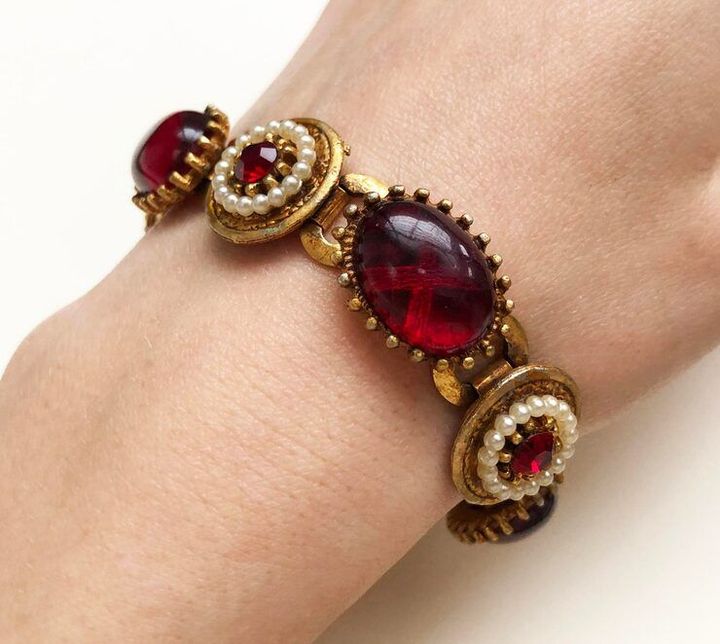
Ruby Bracelets Facts About Natural Gemstones, Color Variations, and Craftsmanship
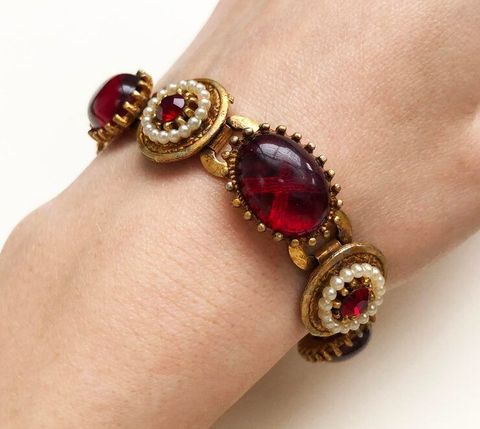
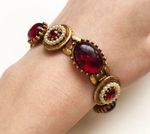
Ruby bracelets jewelry pieces feature rubies arranged in different patterns, metal settings, and bracelet structures.
Rubies belong to the corundum mineral family and receive their characteristic red color primarily from chromium. Their appearance can vary from lighter red to deeper red, depending on their composition and individual characteristics.
Interest in natural ruby bracelets is influenced by gemstone appearance, traditional jewelry preferences, and the variety of available designs. Understanding these characteristics helps people evaluate different pieces more confidently.
Importance of Ruby Bracelet Designs
Ruby bracelets have cultural, decorative, and personal significance in different societies. Their red gemstones are traditionally associated with passion, celebration, and elegance. However, these meanings vary across cultures and individual preferences.
Popular Bracelet Styles
Several designs are commonly found in jewelry collections:
Ruby Tennis Bracelet: Features multiple gemstones arranged in a continuous line, usually with a flexible structure.
Ruby Bangle: A circular or oval bracelet that may feature one central ruby or several smaller stones.
Ruby Chain Bracelet: Combines a metal chain with ruby gemstones positioned at selected intervals.
Ruby Cuff Bracelet: Features a wider metal structure with decorative gemstone arrangements.
Ruby Gemstone Bracelet Designs: Include combinations of rubies with diamonds, decorative patterns, and different metal finishes.
Each design provides a different appearance and wearing experience.
Materials and Gemstone Quality
The overall appearance of a ruby bracelet depends on its gemstone characteristics, metal composition, and manufacturing quality.
Understanding Ruby Quality
Four important characteristics help explain ruby quality:
Color: Ruby color ranges from lighter red to deep red. Color distribution and visual consistency influence its appearance.
Clarity: Natural rubies commonly contain internal characteristics called inclusions. Their visibility varies between individual gemstones.
Cut: The gemstone cut influences light reflection, proportions, and overall presentation.
Carat Weight: This measures gemstone weight rather than physical dimensions. Larger rubies are not automatically higher in quality.
Natural and treated rubies should also be distinguished. Heat treatment is commonly used in the gemstone industry to improve appearance. Treatment information should be disclosed where applicable.
Metal Options
Gold is a common material used in ruby jewelry. An 18k gold ruby bracelet contains 75% gold, while a 14k gold ruby bracelet contains approximately 58.3% gold.
Other materials include sterling silver and platinum. Their durability, appearance, maintenance requirements, and metal composition differ.
Comparing Ruby Bracelet Options
Different bracelet types have different characteristics. The following table provides a general comparison.
| Bracelet Type | Common Materials | Design Characteristics |
|---|---|---|
| Ruby Tennis Bracelet | Gold, platinum | Continuous gemstone arrangement |
| Ruby Bangle | Gold, silver | Rigid circular structure |
| Ruby Chain Bracelet | Gold, silver | Flexible linked construction |
| Ruby Cuff Bracelet | Gold, platinum | Wider decorative design |
| Ruby Diamond Bracelet | Gold, platinum | Combination of two gemstones |
When researching ruby bracelet online collections, comparing these characteristics can help identify designs that match individual preferences.
Factors Affecting Ruby Bracelet Price
The ruby bracelet price depends on several variables rather than a single characteristic. Understanding these factors provides useful context when comparing different jewelry pieces.
Main Pricing Factors
Gemstone Origin: Geographic origin may influence gemstone classification and market interest.
Gemstone Quality: Color, clarity, cut, and weight contribute to overall valuation.
Treatment Information: Natural, heated, and other treated rubies can have different market values.
Metal Purity: Gold purity and platinum composition affect the material value.
Craftsmanship: Setting techniques, finishing, and structural details influence the finished piece.
Luxury ruby bracelets may include larger gemstones, intricate settings, or additional diamonds. Their specifications should be examined individually instead of assuming that appearance alone indicates quality.
How to Select a Ruby Bracelet
Choosing a suitable bracelet involves examining its construction, gemstone information, and practical characteristics.
Consider these points before making a decision:
Check Documentation: Review available gemstone certificates and identification reports.
Understand Treatments: Ask whether the rubies have undergone heat treatment or other enhancements.
Examine Metal Purity: Verify the stated gold karat or other metal composition.
Review Bracelet Size: Check wrist measurements, closure design, and adjustment options.
Inspect Construction: Examine gemstone settings, links, clasps, and finishing details.
Compare Specifications: Evaluate similar designs using consistent gemstone and material information.
A detailed comparison is particularly useful when examining certified ruby bracelets from different jewelry collections.
Ruby Bracelet Maintenance and Care
Regular maintenance helps preserve the appearance and structural condition of ruby jewelry.
Practical Care Guidelines
Clean the bracelet gently using lukewarm water and mild soap when appropriate.
Use a soft cloth to remove surface dust and residue.
Avoid harsh chemicals and abrasive cleaning materials.
Store bracelets separately to reduce scratches and contact with other jewelry.
Inspect clasps and gemstone settings periodically.
Follow specialist cleaning guidance for delicate or treated gemstones.
These precautions help reduce unnecessary wear during regular use.
Frequently Asked Questions
Are natural ruby bracelets different from treated ruby bracelets?
Yes. Natural describes the gemstone's origin, while treated describes whether it has undergone enhancement processes. Natural rubies can also be treated.
What metals are commonly used in ruby bracelets?
Gold, silver, and platinum are commonly used. The selection depends on design, durability, and personal preferences.
Are ruby tennis bracelets suitable for everyday wear?
They can be worn regularly, but gemstone settings, clasps, and bracelet construction should be examined before frequent use.
What should be checked when researching ruby bracelets online?
Review gemstone details, treatment disclosures, metal purity, sizing information, certification, and return conditions.
Conclusion
Ruby bracelets combine gemstone characteristics, metal craftsmanship, and diverse jewelry traditions. Understanding bracelet styles, ruby quality, treatments, and material specifications makes comparing different designs easier. Careful examination of documentation and construction also helps readers make informed decisions when exploring ruby jewelry.